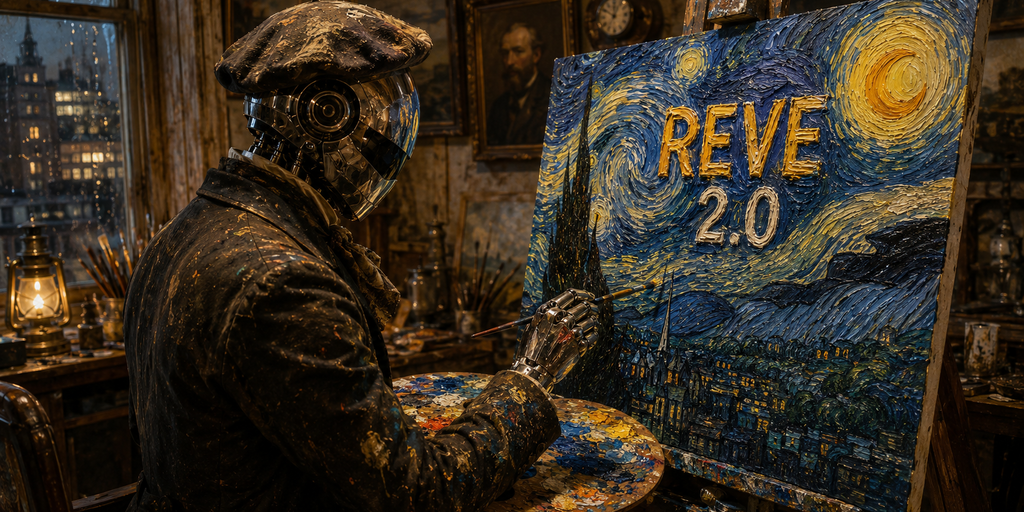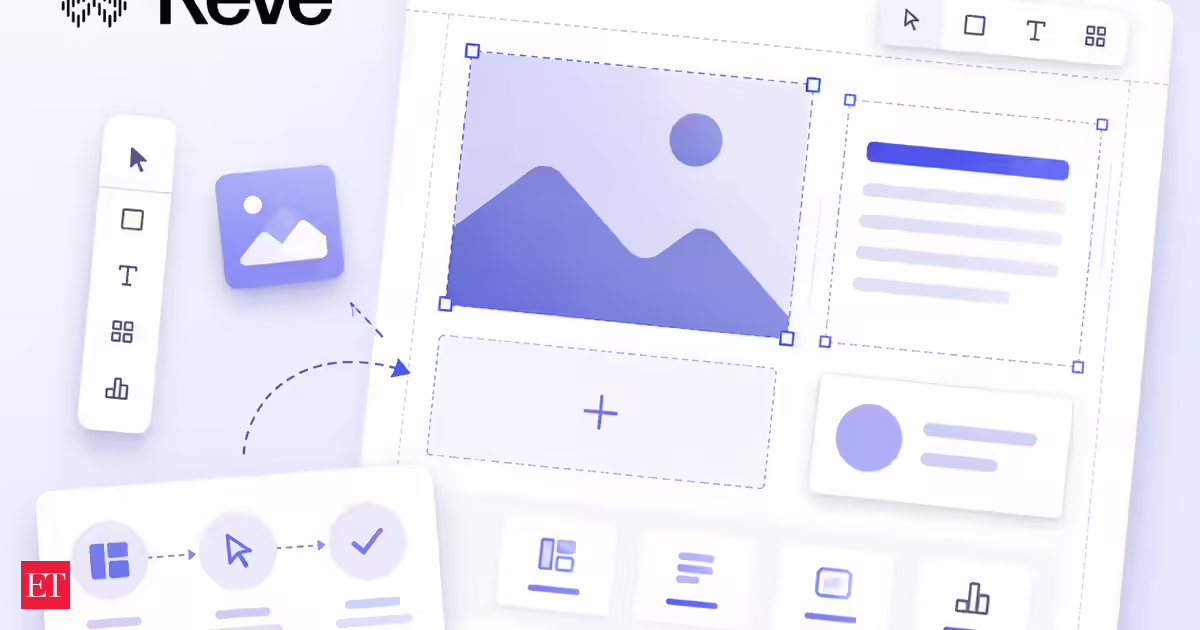
SynopsisAs AI image generators become increasingly common in professional workflows, the challenge is no longer creating images but creating the right ones. AI startup Reve is betting on a layout-first approach that gives users greater control over image composition. The move reflects a broader shift in AI, where precision, predictability and usability are becoming as important as creativity.ET OnlineThe race to build better AI image generators has largely been centered on image quality. Over the past few years, companies have competed to produce sharper visuals, more realistic outputs and stronger prompt adherence. That competition has pushed the technology forward at a remarkable pace, to the point where AI can now generate everything from advertising creatives and product photographs to magazine covers and cinematic artwork in a matter of seconds. Yet as AI-generated images move into professional workflows, a different obstacle has begun to emerge. AI can create almost anything, however, creating exactly what a user wants, still remains considerably harder to achieve.An AI startup, Reve is attempting to solve this obstacle, through what it calls “the layout bet”, a belief that the future of AI image generation will depend less on creativity and more on control. At the heart of Reve’s approach is a very simple idea. Most image generation models move directly from a text prompt to a finished image. A user describes what they want, and the model generates its interpretation of those instructions. While the results can be visually impressive, they are often difficult to control. If an object appears in the wrong position, if a logo is too small or if the text overlaps with important visual elements, then users are left with no choice but to regenerate the image and try over and over again, until it generates the optimal image.Reve pitches an additional step between the prompt and the final image, which they call “layout”. Before generating the visual, the AI first creates a structured representation of the scene, defining where the objects should appear, how large they should be, and how they relate to one another. The final image is then generated using this structure as a guide. This concept may sound incremental, but its implications could be significant. For most professional use cases, the challenge is rarely generating an image. The challenge remains, generating the right image. Designers, marketers, publishers and creative teams often work within strict requirements, where logos need to appear in specific locations, products must remain clearly visible and text requires adequate space. In many cases, brand guidelines leave little room for interpretation, making precision just as important as creativity.The idea also points to a larger shift taking place across the AI industry. For years, image-generation companies focused on making AI create better-looking images. Now as these tools become part of professional workflows, the focus is gradually shifting towards giving users greater control over the final result. This is where Reve believes it can stand out. Instead of only improving image quality, the company is trying to make image creation more predictable. By introducing a layout before the final image is generated, users can have greater control over where elements appear and how the overall composition is structured. Whether Reve’s layout-based approach becomes widely adopted is still uncertain. What is clear, however, is that as these tools become more widely used in professional settings, users will expect greater control over the final output. For companies like Reve, the opportunity lies in making AI not just more creative but also more predictable and easier to work with.Nominate now for ET Most Innovative AI Awards 2026Disclaimer Statement: This content is authored by a 3rd party. The views expressed here are that of the respective authors/ entities and do not represent the views of Economic Times (ET). ET does not guarantee, vouch for or endorse any of its contents nor is responsible for them in any manner whatsoever. Please take all steps necessary to ascertain that any information and content provided is correct, updated, and verified. ET hereby disclaims any and all warranties, express or implied, relating to the report and any content therein.Read More News onRead More News on
AI Image Generation: Why Reve's Layout-first approach could change professional design workflows
As AI image generators become increasingly common in professional workflows, the challenge is no longer creating images but creating the right ones. AI startup Reve is betting on a layout-first approach that gives users greater control over image composition. The move reflects a broader shift in AI, where precision, predictability and usability are becoming as important as creativity.
688 words~3 min read