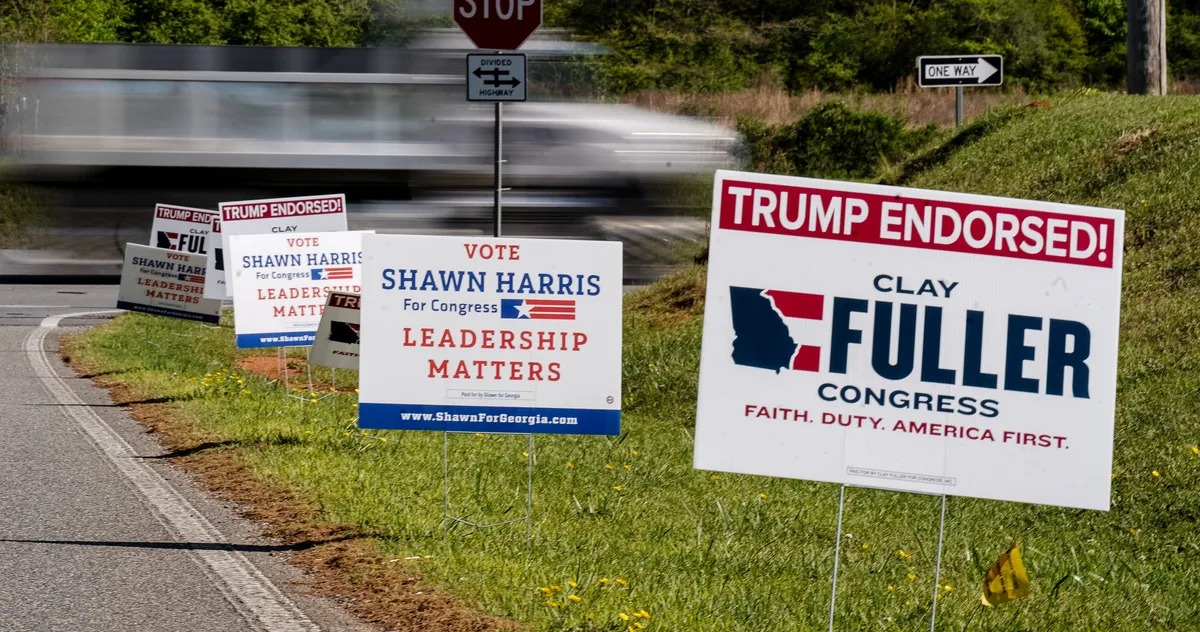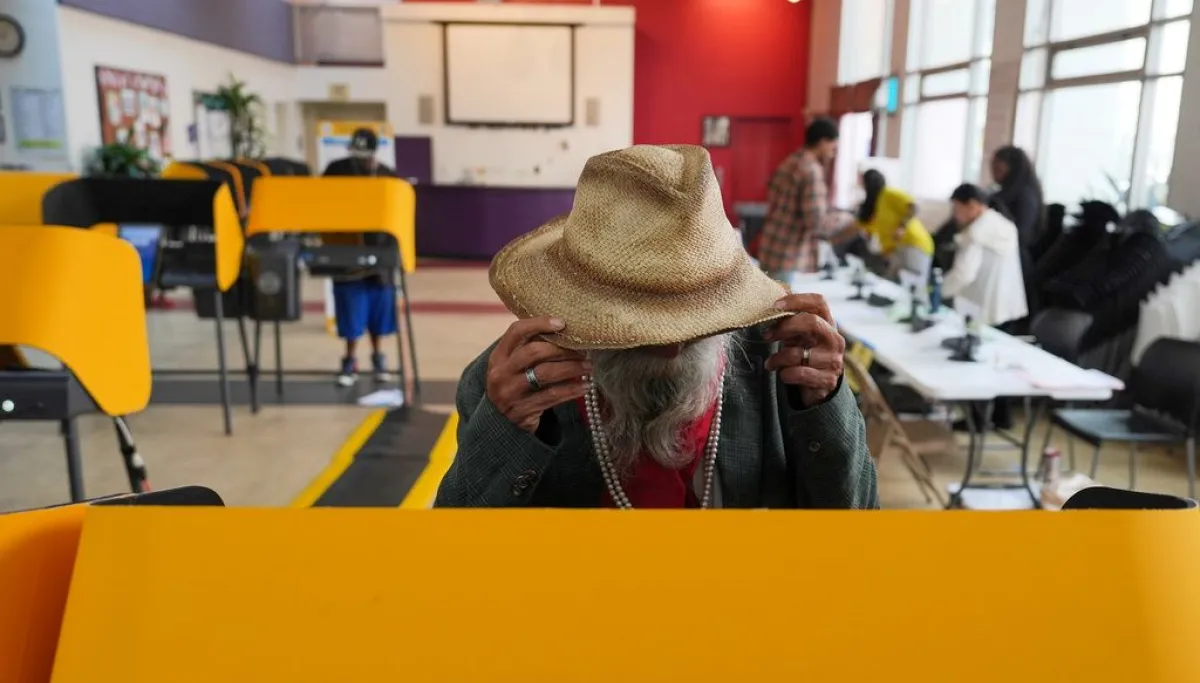
With the Senate map tightening and competitive House districts becoming harder to find after redistricting, both parties are increasingly turning to unconventional political tactics to improve their odds in 2026.From Republicans intervening in Democratic primaries to Democrats experimenting with independent candidates in red states, campaigns are increasingly focused not just on persuasion, but on shaping the battlefield before voters even cast ballots.“It’s because there are simply fewer races now,” Republican strategist Brian Seitchik told the Washington Examiner. “In decades prior, there could be upwards of 50, 60 House races and nearly a dozen Senate races that were competitive. That is simply not the case now.”
“So at the end of the day, in some of these House races, you can only spend so much money, and $1 is no longer worth $1 spent in the campaign,” he added. “People are looking for other avenues to affect the election.”
One of the most unusual examples of unconventional campaign maneuvering this cycle has emerged in Alaska, where Republicans have accused Democrats of attempting to exploit the state’s ranked choice voting system by encouraging another candidate named Dan Sullivan to enter the Senate race against incumbent Sen. Dan Sullivan (R-AK)