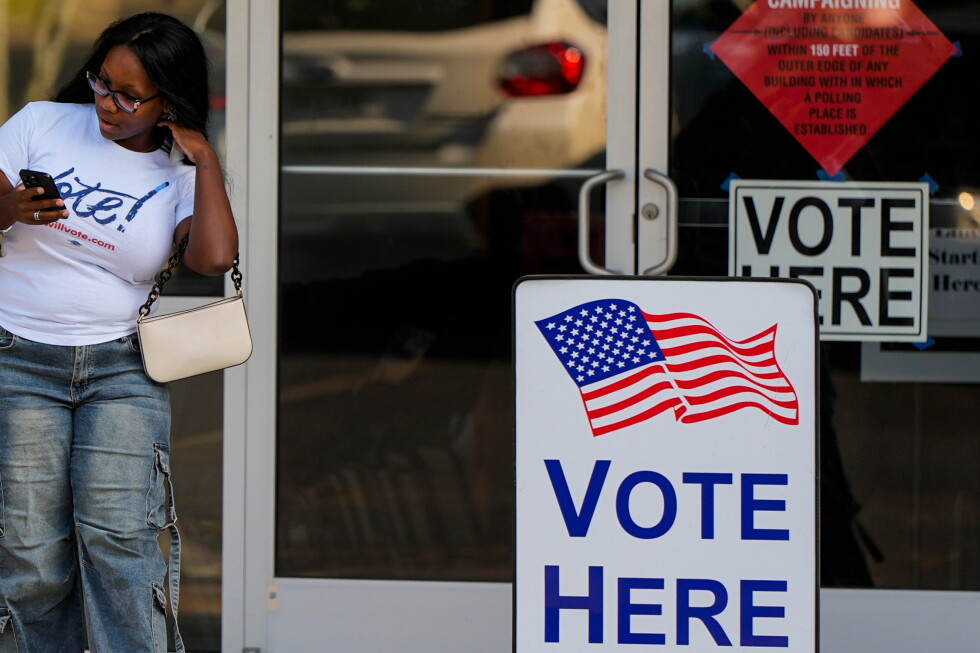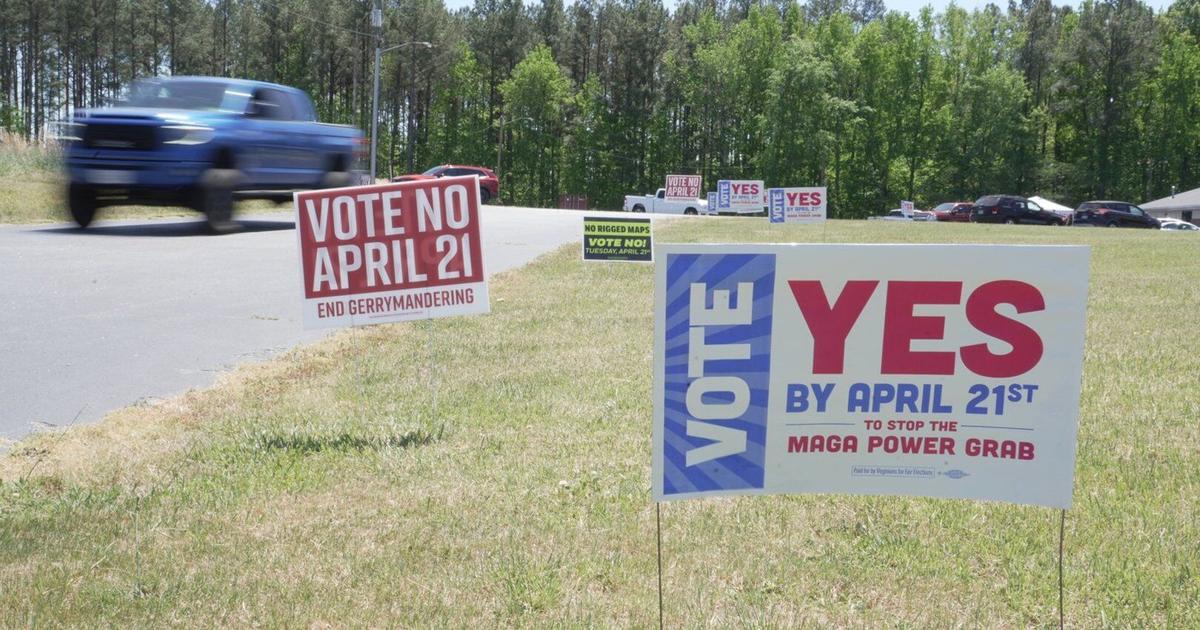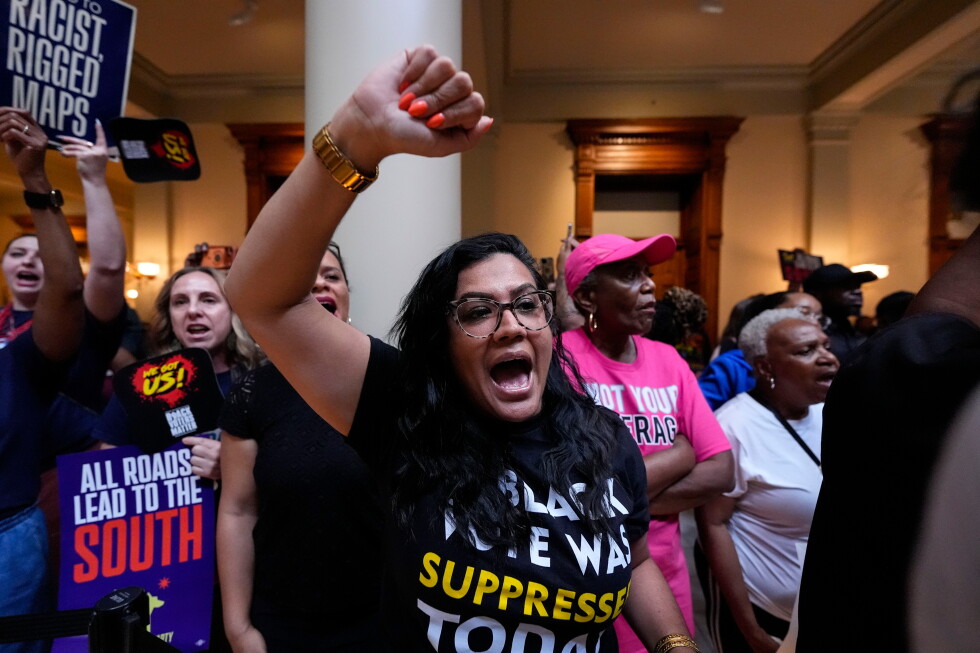
The ballots remain to be cast for the November midterm elections. Yet Democrats and Republicans in some states already are looking at how they could reshape congressional voting districts to gain an advantage in the 2028 elections. The new gerrymandering efforts are part two of a mid-decade redistricting battle that already spans 10 states, which are home to two of every five U.S. residents. Part one began last summer, when President Donald Trump urged Republican-led states to redraw U.S. House districts to try to stave off midterm election losses. Some Democratic-led states responded by pursuing their own partisan redistricting. Then a U.S. Supreme Court decision in late April weakened the federal Voting Rights Act, providing new grounds for Southern Republicans to reconfigure districts with large minority populations that have elected Democrats.
The midterm elections will provide an assessment of those redistricting changes. Republicans think they could net up to 10 additional House seats under the new districts. But Democrats have history on their side — the president’s party often loses seats in the midterms — and could make gains from Trump’s poor approval ratings.
5 MIN READ
4 MIN READ