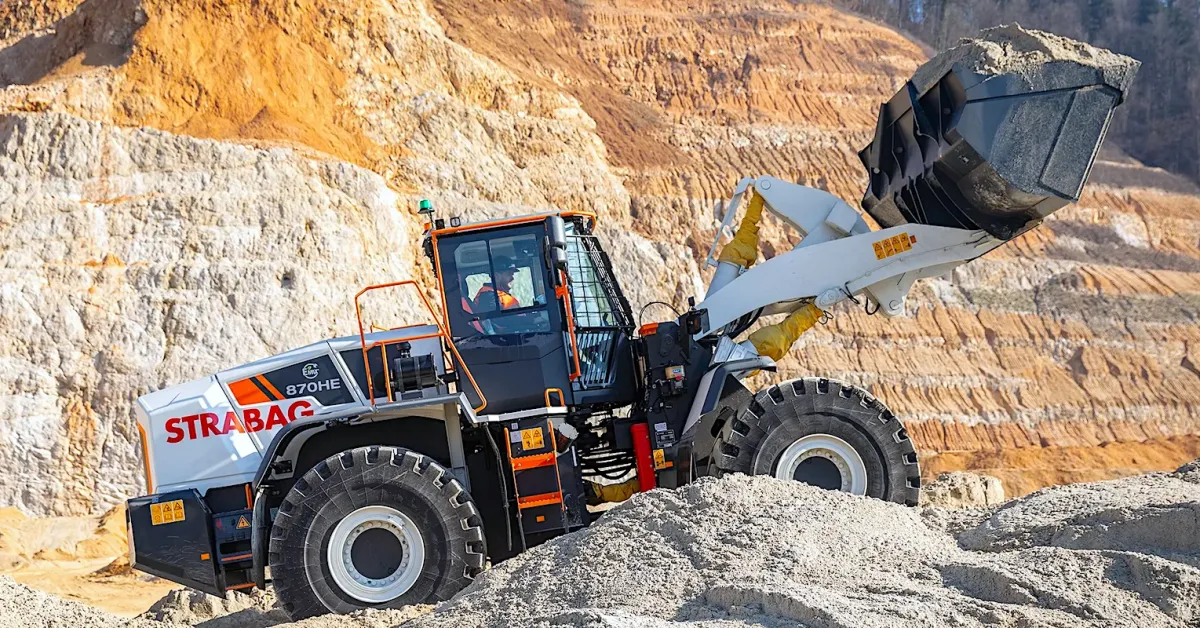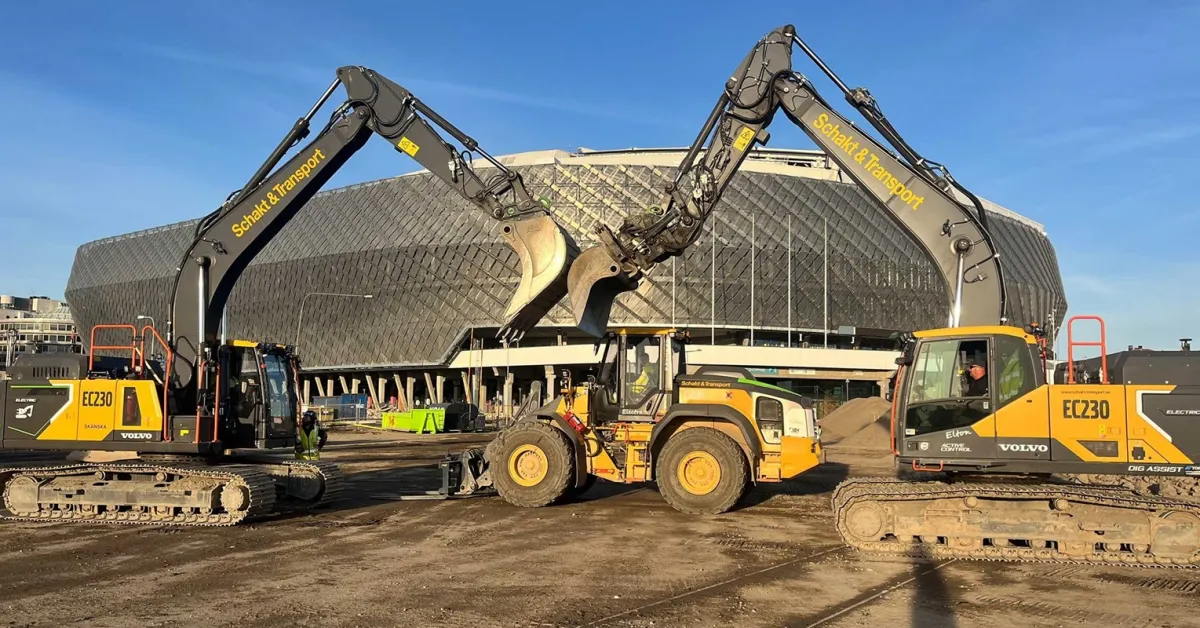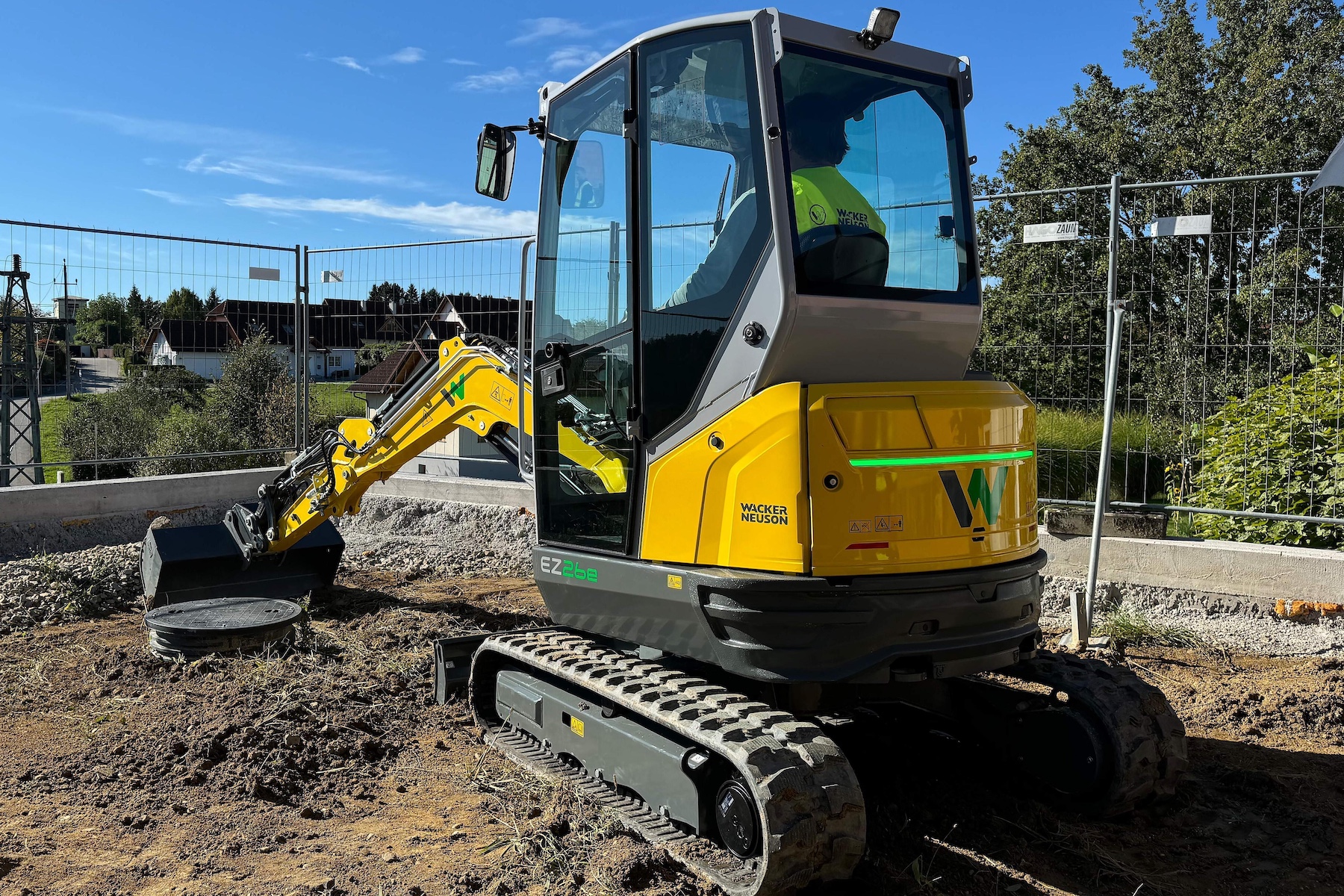
Most construction sites are still dominated by loud and polluting diesel machinery. The ForBat@Bau research project has therefore set itself the task of developing an integrated planning and operations tool for complex emission-free construction sites. On board are TU Munich and various industry partners.Electric excavator from project partner Wacker NeusonImage: Wacker NeusonWhile electrive has repeatedly reported on electric construction machinery and projects that use them – see our Off-Highway category – it remains exceptionally rare for a construction project to rely exclusively on battery-electric machines and vehicles. According to the Technical University of Munich (TUM), which is part of the new ForBat@Bau research initiative, a breakthrough towards locally emission-free and energy-efficient construction sites has primarily been hindered by a lack of collaboration and poorly coordinated processes amongst various stakeholders.This is precisely what ForBat@Bau aims to address. It relates the challenge not only to an apparent lack of electric construction machinery, but also to other critical areas such as limited availability of electrical power on construction sites, long charging times, inadequately dimensioned grid connections, and the absence of a systemic approach to integrating machinery, energy storage systems, and construction processes. Particularly in complex construction projects and for high-power machinery classes, it has become clear that simply replacing diesel machines with electric ones in isolation is not effective.The successful deployment of battery-electric machines therefore requires a holistic view of construction site operations and the underlying energy and process structures – and this forms the basis of the approach at ForBat@Bau. Project leader Prof. Markus Lienkamp from the TUM Chair of Automotive Technology emphasises: “We do not simply want to replace diesel engines in construction equipment. We view the construction site as a complete system, including construction processes, the connection to the power grid, and intermediate battery storage. By leveraging digitalization, we aim to make economically viable electric construction site operations possible in the future.”The goal of the ForBat@Bau research consortium is therefore to enable fully electrified construction sites through a holistic, software-supported approach that ensures economic viability and planning reliability. Instead of focusing on individual machines in isolation, construction processes, machinery, energy storage systems, charging infrastructure, and grid connections are to be planned and operated in an integrated manner.The project is led by the Technical University of Munich. Additional academic partners include the University of Applied Sciences Landshut and the Ostbayerische Technische Hochschule Regensburg. Industry participants include the Bavarian Construction Industry Association, the Bavarian Construction Academy, and companies from the fields of machinery manufacturers, construction firms, distribution grid operators, as well as measurement and simulation, such as Liebherr, Wacker Neuson, Strabag, and Zeppelin Rental. The three-year project is funded by the Bavarian Transformation and Research Foundation with approximately €1.9 million.tum.de, mos.ed.tum.de
Research consortium explores emission-free construction sites - electrive.com
Most construction sites are still dominated by loud and polluting diesel machinery. The ForBat@Bau research project has therefore set itself the task of
449 words~2 min read