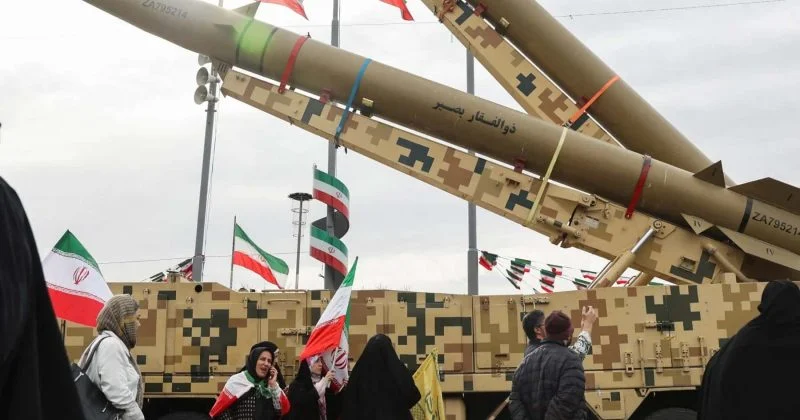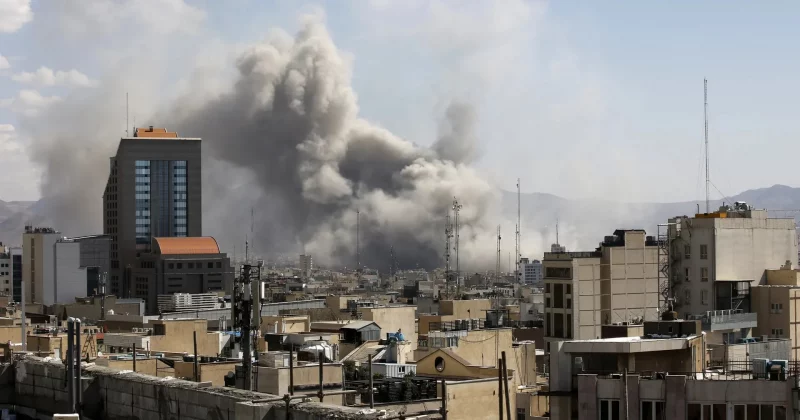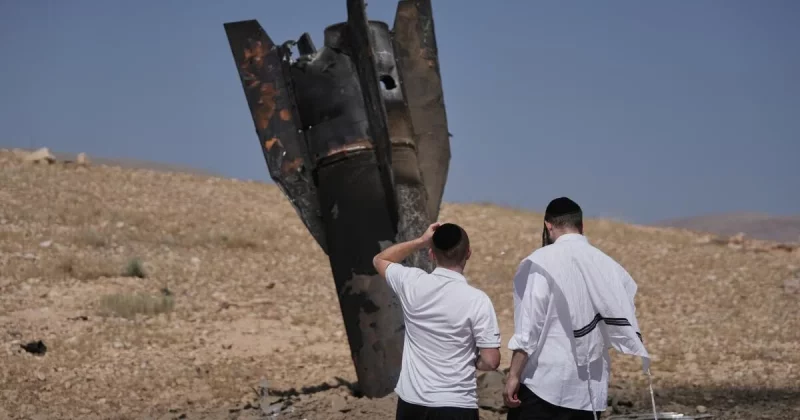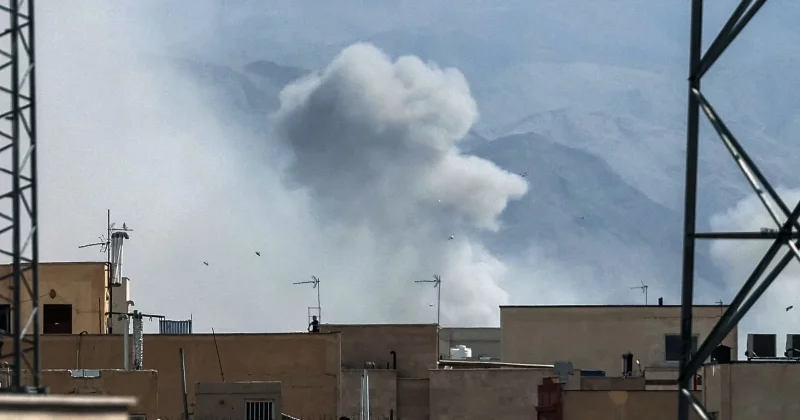
Iran’s Khatam al-Anbiya Central Headquarters launched a barrage of ballistic missiles at military targets inside Israel on June 8, marking the first direct exchange of fire between the two nations since a fragile ceasefire was established in April 2026. Bitcoin responded the way Bitcoin always responds to geopolitical chaos: it sold off fast, dipping to roughly $62,900 before staging a partial recovery.
The operation reportedly involved between 20 and 31 ballistic missiles aimed at Israeli military installations, including the Ramat David airbase. Iran’s military command subsequently announced it was halting strikes, at least for now, while simultaneously warning that any continued Israeli aggression would be met with what it called “much stronger responses.”
What happened and why
Iran framed the missile strikes as a direct response to ongoing Israeli military operations in southern Lebanon and the Dahiyeh district of Beirut.
Ebrahim Zolfaghari, the spokesperson for the Khatam al-Anbiya Central Headquarters, said the strikes were conducted to support “the oppressed people of Lebanon.” He went further, threatening “crushing and regret-inducing blows” against both Israel and potentially US interests if provocations continued.