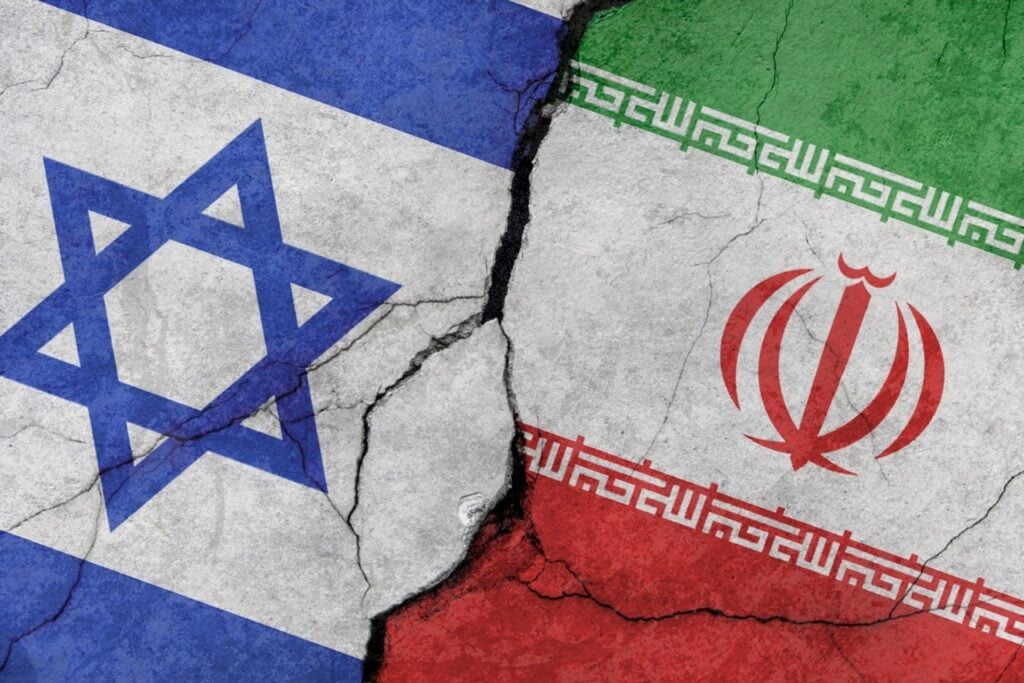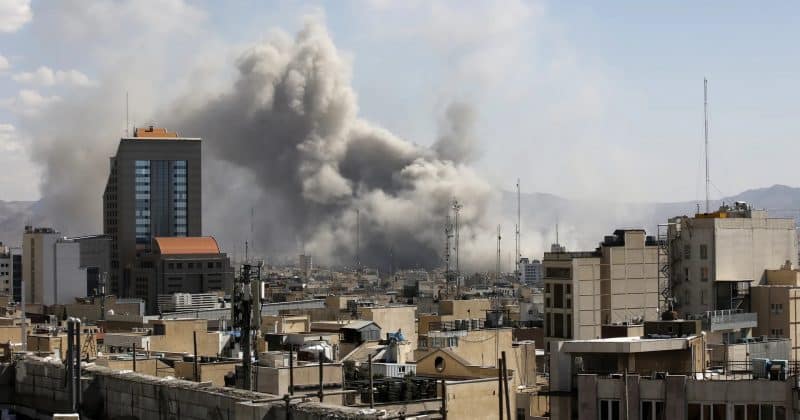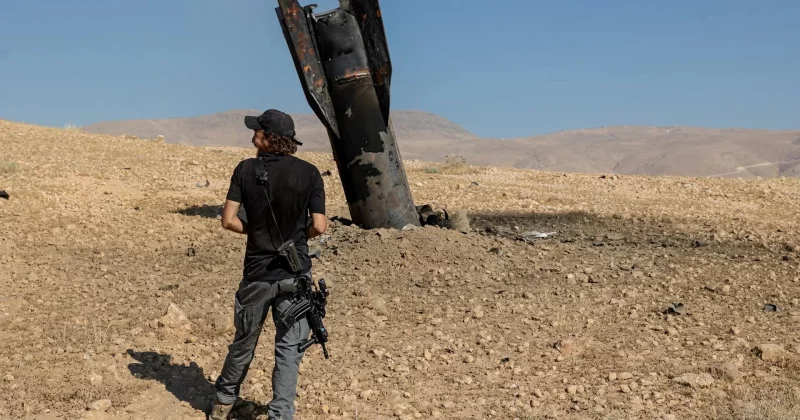
Iran launched ballistic missiles at Israeli targets on June 7, reigniting a conflict that had been under a conditional ceasefire since April. Israel responded with its own strikes, and just like that, the fragile pause in hostilities evaporated.
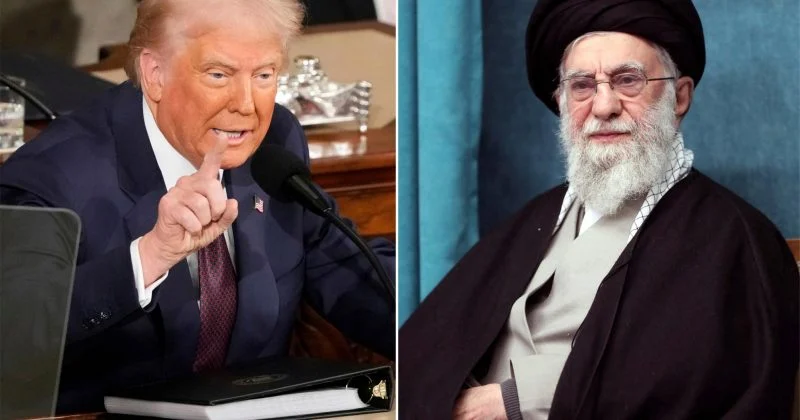
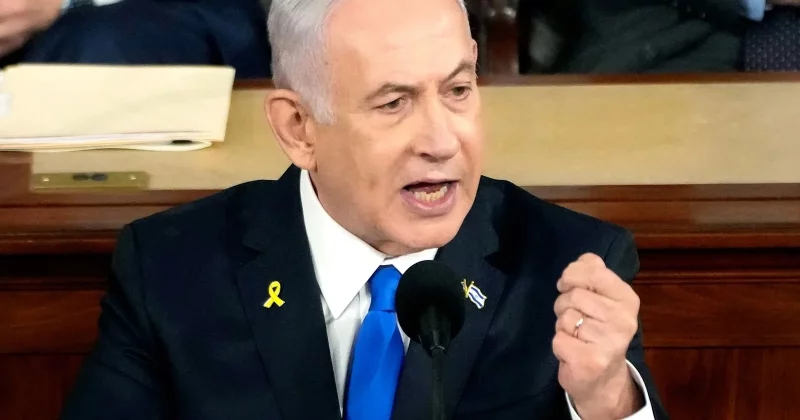
President Donald Trump, who had been positioning himself as a dealmaker between the two nations, took to social media urging both sides to stand down. He confirmed that peace negotiations were ongoing and that he had spoken directly with Israeli Prime Minister Benjamin Netanyahu to discourage further military action. Trump claimed both Israel and Iran were “looking to do an immediate ceasefire.”
Markets react exactly how you’d expect
Oil prices did what oil prices do when missiles fly across the Middle East. WTI crude oil futures jumped over 3%, reaching approximately $93.50 as traders priced in the possibility of supply disruptions in one of the world’s most critical energy corridors.
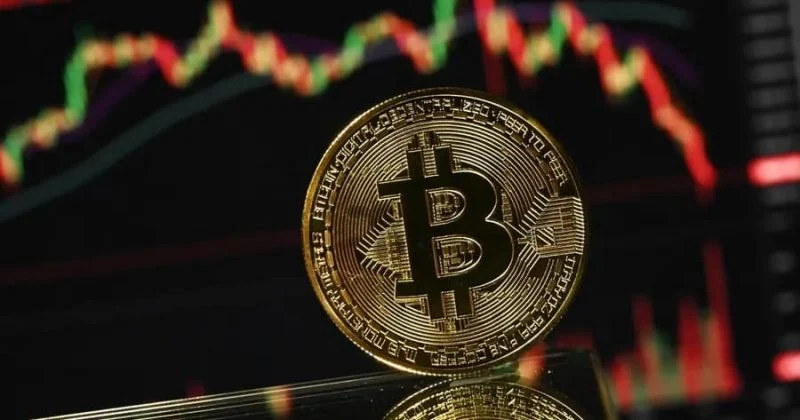
Bitcoin, meanwhile, moved in the opposite direction. The largest cryptocurrency by market cap slid toward $63K as selling pressure intensified in the hours following the initial reports of the strikes. This fits a well-documented pattern: Bitcoin tends to experience short-term sell-offs during geopolitical escalations in the Middle East, as traders de-risk their portfolios first and ask questions later.