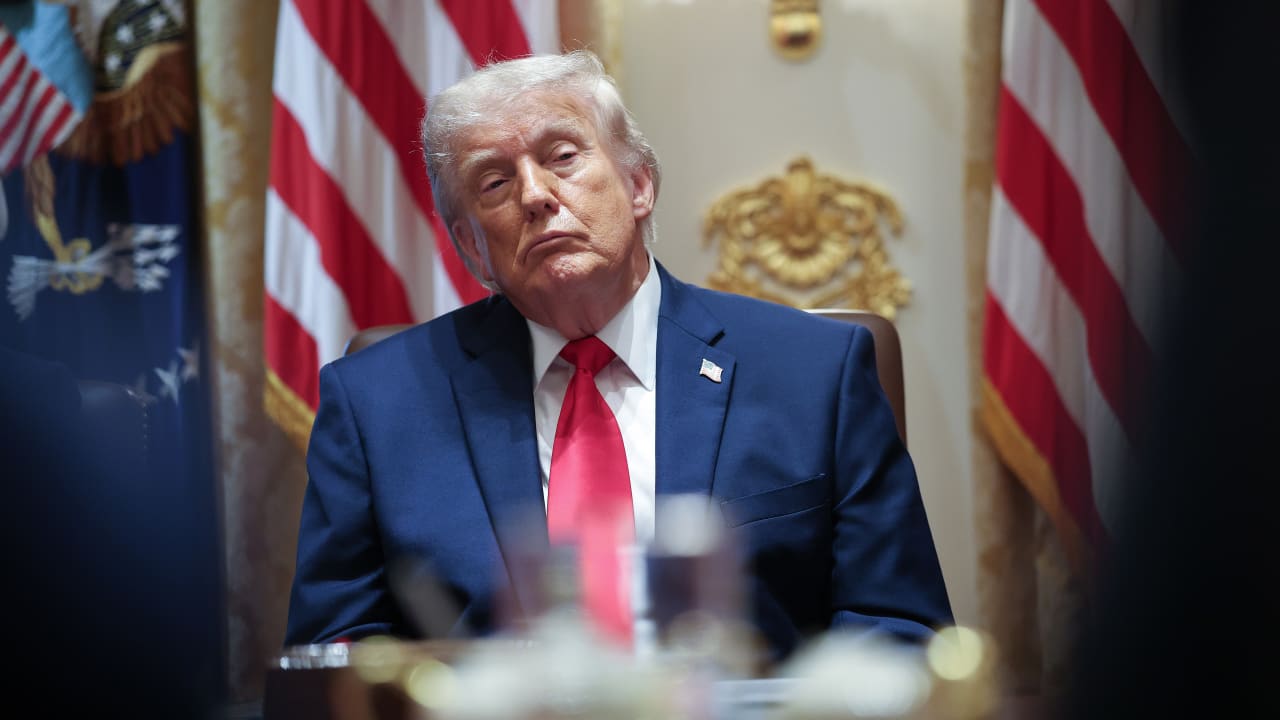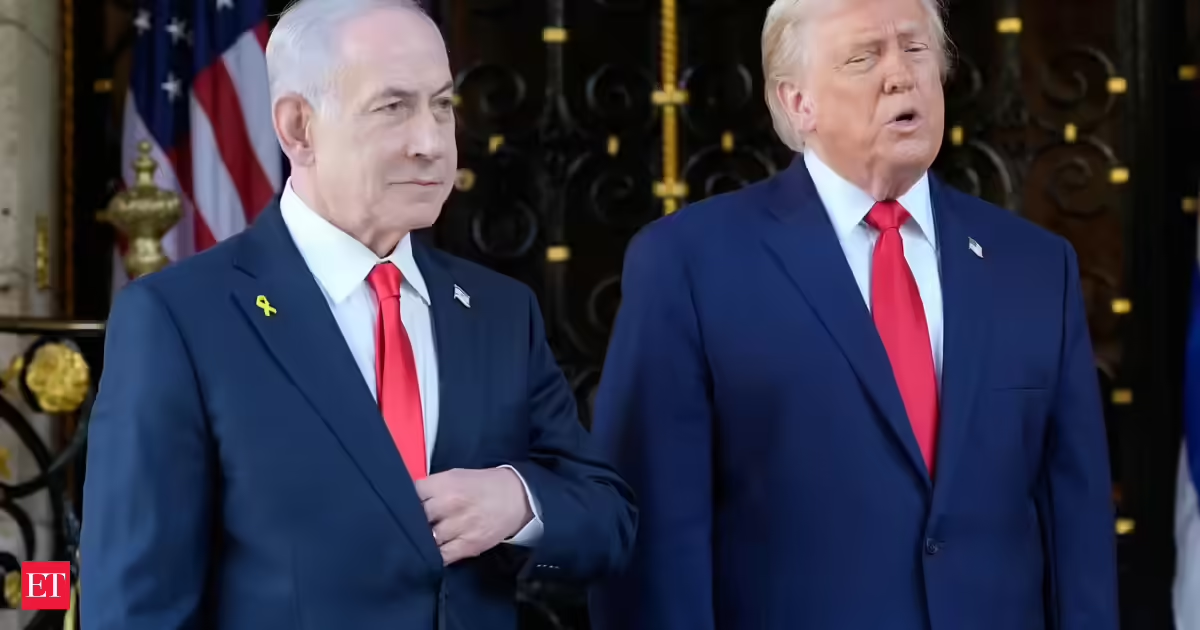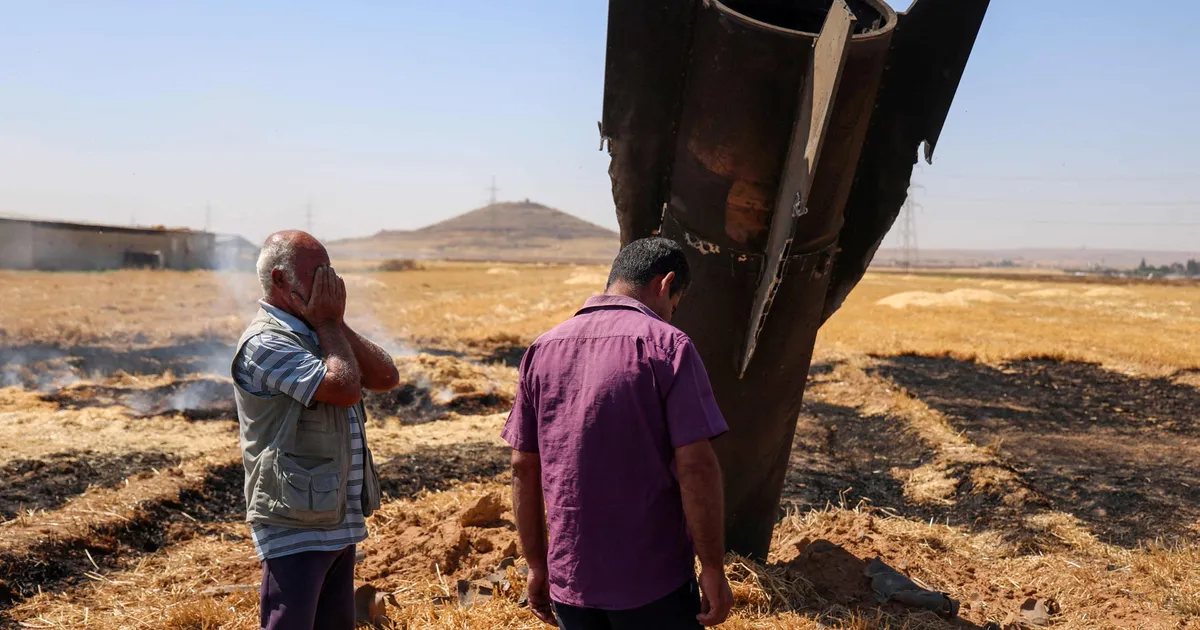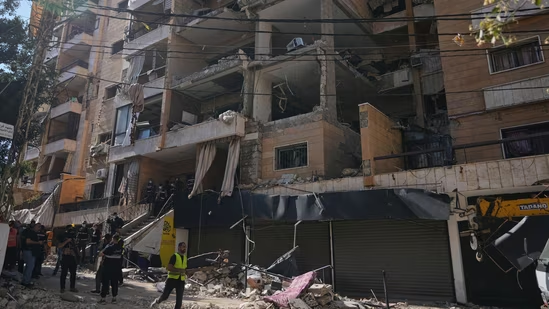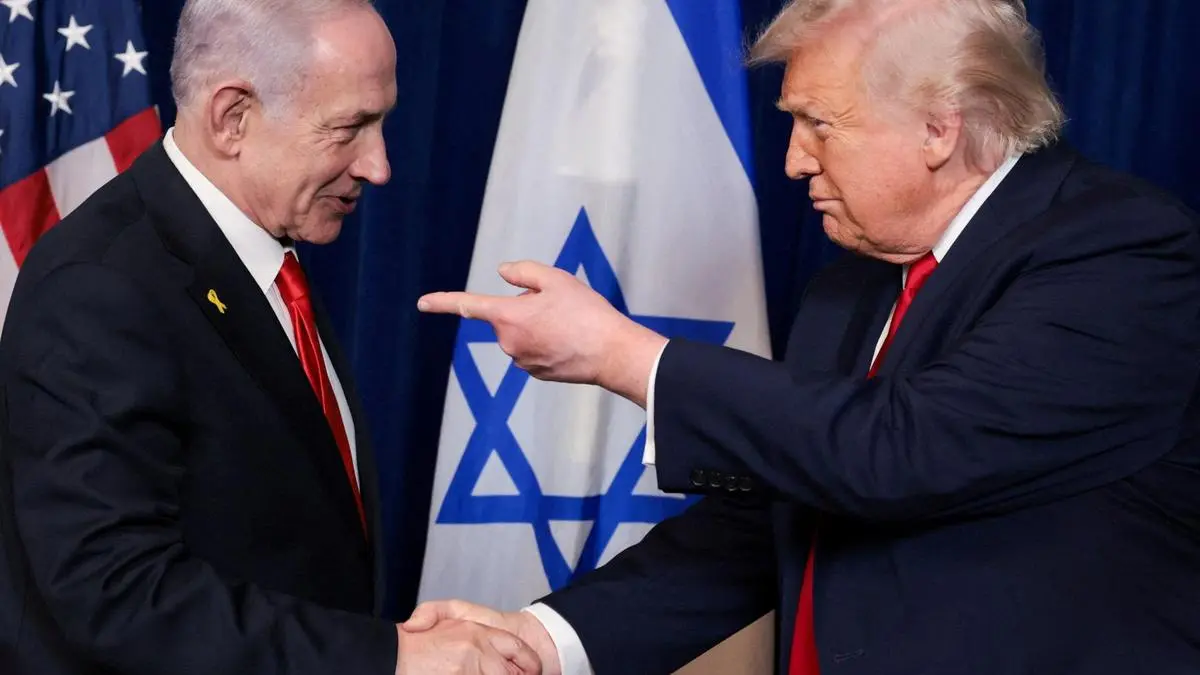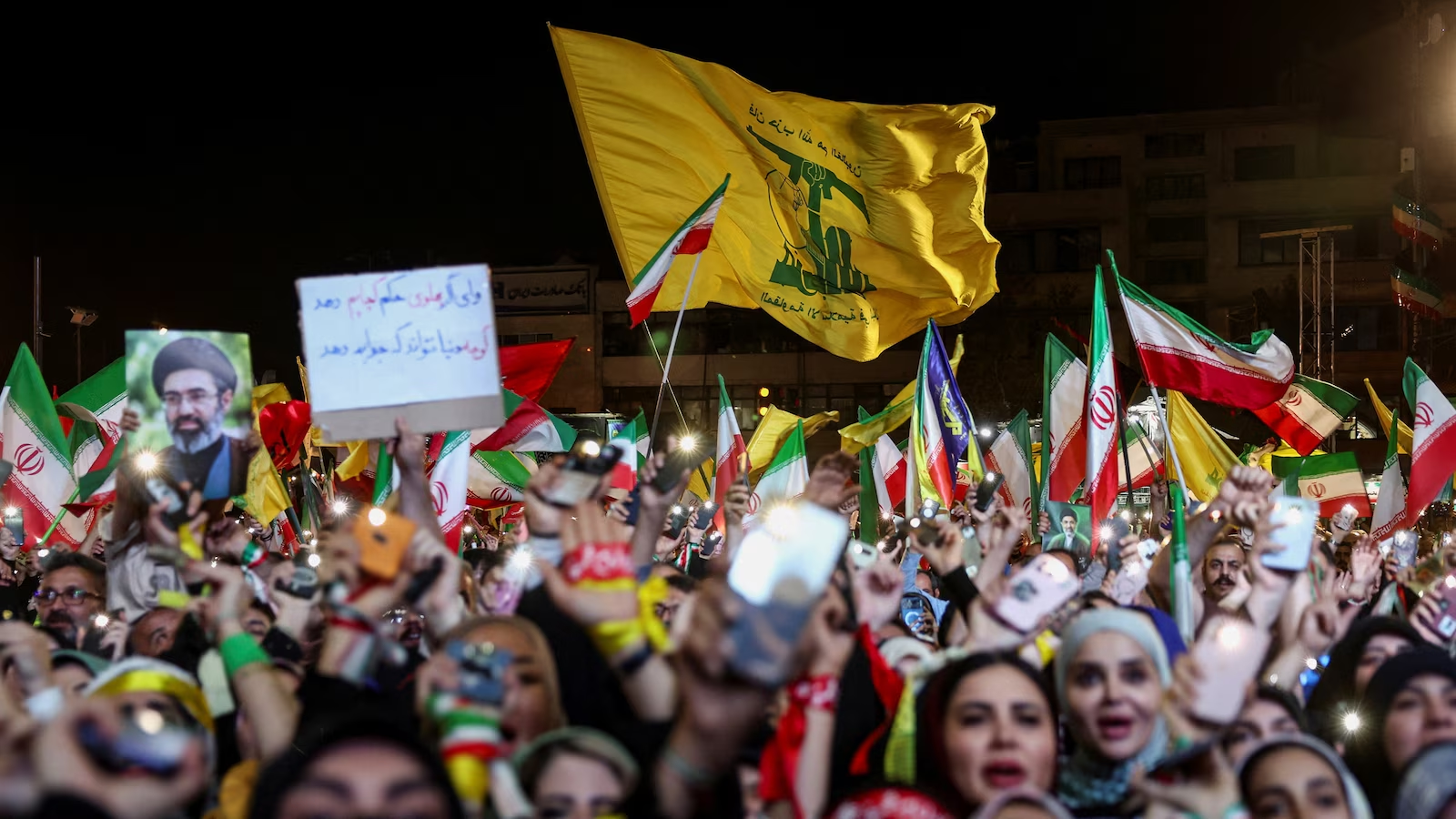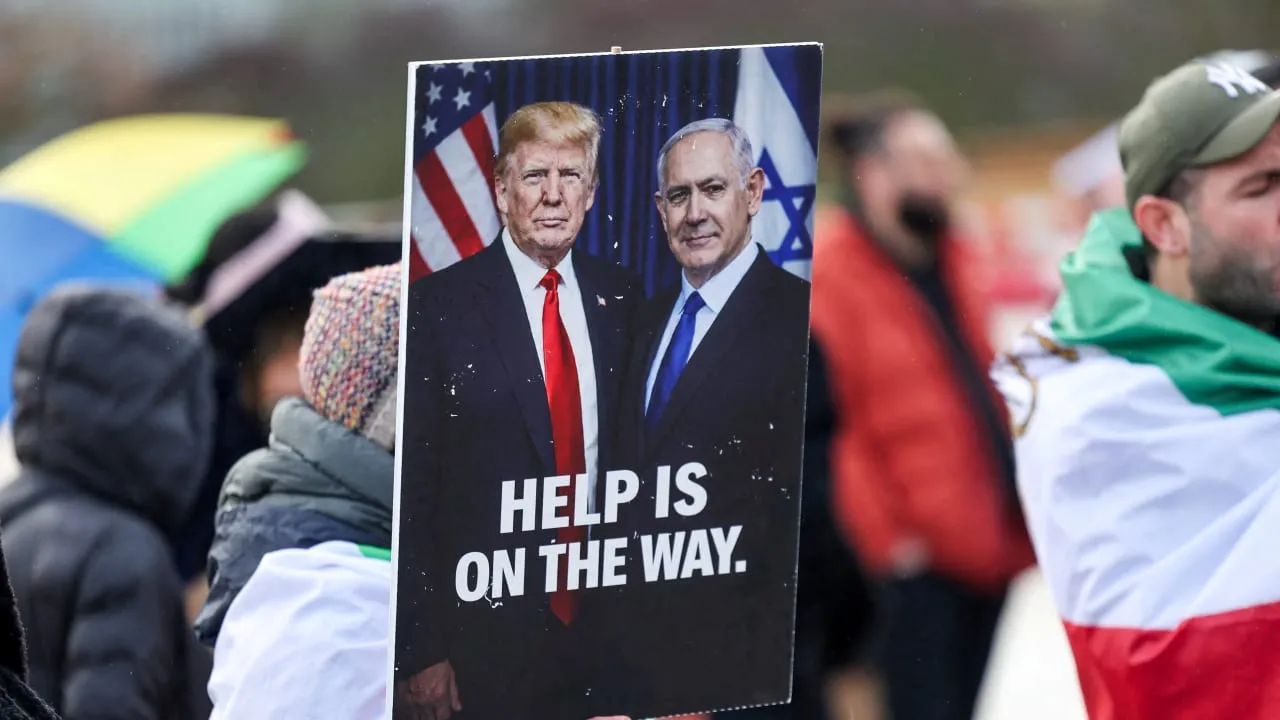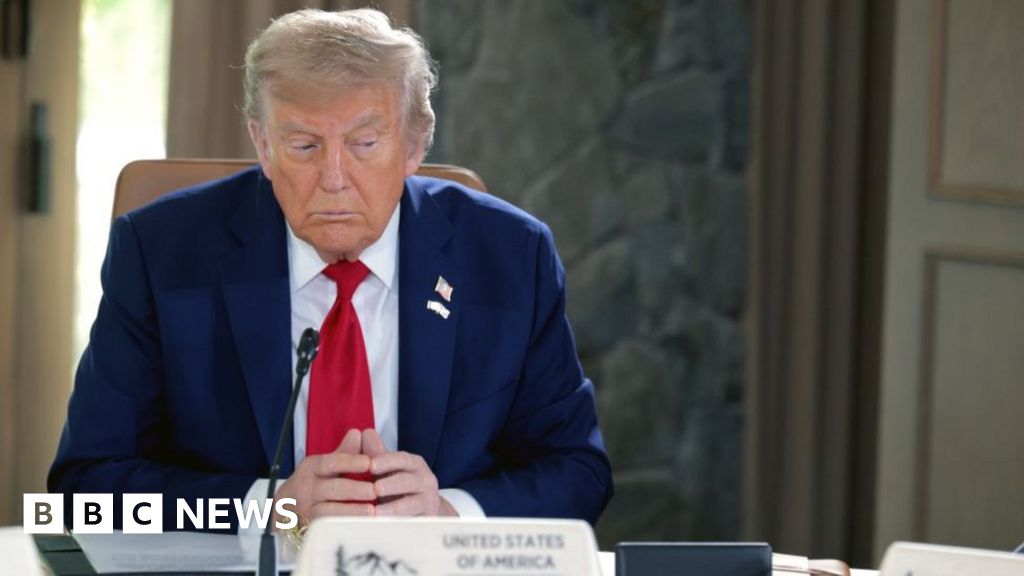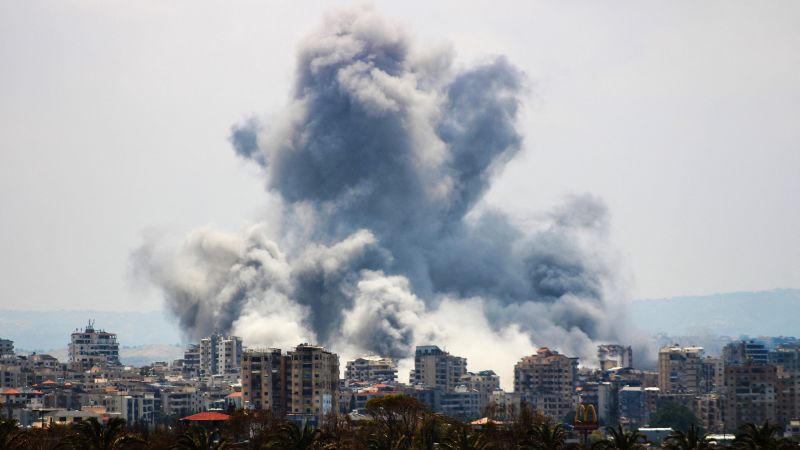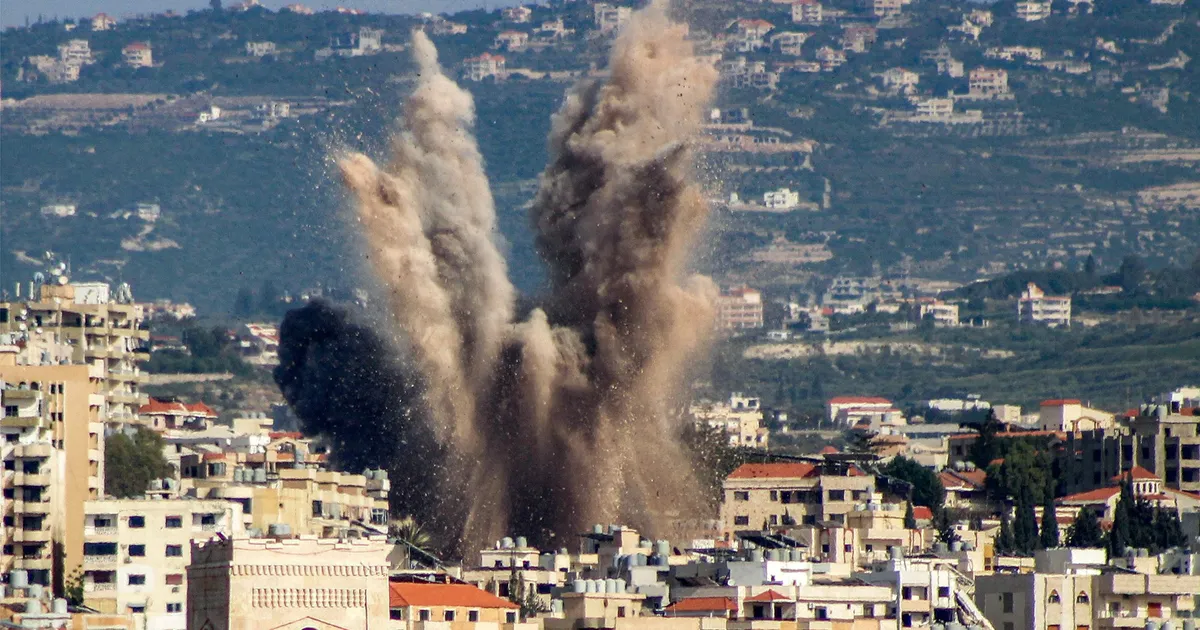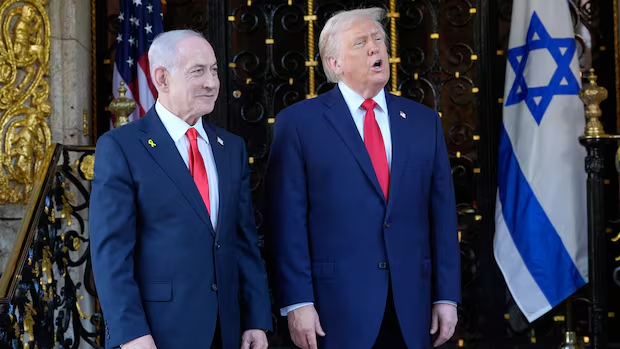
World·AnalysisU.S. President Donald Trump's attempts to find a way out of the war with Iran have suddenly become a lot more complicated.U.S. president, Israeli PM have different priorities for outcome of talks with TehranMike Crawley · CBC News · Posted: Jun 09, 2026 4:00 AM EDT | Last Updated: 2 hours agoListen to this articleEstimated 6 minutesThe audio version of this article is generated by AI-based technology. Mispronunciations can occur. We are working with our partners to continually review and improve the results.Israel's Prime Minister Benjamin Netanyahu, left, is greeted by U.S. President Donald Trump at his Mar-a-Lago club on Dec. 29, 2025, in Palm Beach, Fla. The priorities of the two around Iran diverge, in part, because of the leaders' differing domestic political concerns. (Alex Brandon/The Associated Press)U.S. President Donald Trump's attempts to find a way out of the war with Iran have suddenly become a lot more complicated. The Israel versus Iran part of the conflict dramatically ramped up in intensity over a matter of hours on Sunday, exactly two months to the day since Trump announced a ceasefire. In response to Iran's proxy militia Hezbollah firing rockets into northern Israel, the Israeli military struck what it called Hezbollah infrastructure in the southern suburbs of Beirut. Iran soon responded with a wave of missiles aimed at Israel, its first since April. The Israel Defence Forces said it intercepted all missiles. Israel then fired back, hitting Iranian targets that included air defence installations and a petrochemical plant. The Israeli missile strikes came despite Trump saying publicly that he would urge Prime Minister Benjamin Netanyahu not to retaliate. As badly as Trump wants an agreement that ends the war with Iran, the rapid escalation suggests he'll be hard-pressed to reach the kind of long-term deal he wants with Iran until — and unless — he puts a lid on the related yet distinct conflict between Israel and Tehran/Hezbollah. WATCH | The Israel-Hezbollah conflict remains a point of friction in U.S.-Iran talks:Iranian military pauses strikes on IsraelJune 8|Duration 6:27Iran's military command says it's calling off attacks against Israel — unless Israel's strikes on Beirut continue. Thomas Juneau, a professor of public and international affairs, says the conflict between Israel and Hezbollah will likely continue to be a friction point in peace talks between the U.S. and Iran.Both Israel and the U.S. clearly want to stop Iran from building a nuclear weapon, but beyond that, the priorities of the two allies start to diverge, in part because of their leaders' differing domestic political concerns. Trump currently cares far more about getting the Strait of Hormuz reopened to oil tanker traffic than Netanyahu does. A major goal for Netanyahu is to protect Israeli security by crippling Hezbollah's operations in Lebanon, something that Trump shows little interest in pursuing. Iran feels 'emboldened'Hovering over all this is Iran's position: that any deal it makes with the U.S. to end the war and curtail its nuclear program must include Israel stopping its military action against Hezbollah in south Lebanon.Washington's attempts to make a Lebanese ceasefire stick have had little success, with Hezbollah rejecting it and Israel refusing to withdraw its troops. Natan Sachs, a senior fellow at the Middle East Institute, a think-tank in Washington, D.C., says Iran appears to have calculated that Trump's strong motivation to get an agreement to end the war meant it could strike Israel on the weekend without facing retaliation from the U.S.Iran launches strikes on Israel in retaliation for Beirut bombardmentIran and Israel say they have halted strikes on each other for now"What we have here is a bit of a game of chicken. Iran feels that it is emboldened by the outcome of the war so far and that it holds the cards, because it thinks that Trump is very interested in this deal," Sachs told CBC News. "That means that [the Iranians] are willing to push the envelope. They do not think they'll return to full-scale war with the United States if they do this," Sachs said. Pro-government demonstrators in Tehran wave the flags of Iran and Hezbollah on Sunday night, the same day the conflict between Iran and Israel dramatically ramped up in intensity. (Vahid Salemi/The Associated Press)Sachs says Netanyahu and his government are very concerned about the prospect of Trump striking a deal with Iran that is too soft on Israel's key priorities, including dismantling Iran's support for Hezbollah. "There is real potential here for a split [between Trump and Netanyahu] because the interests are fundamentally different," he said. Trump-Netanyahu tensionsWhile the Israelis "are very much afraid that Trump will flip on Netanyahu," Sachs said the two countries remain allies, and the differences between the two leaders have not yet developed into a major rift.That's despite reports of Trump cursing at Netanyahu during a testy phone call last week about Israel's strikes on Hezbollah in Lebanon. What Iran is doing "serves several purposes," according to Michael Young, an author and editor of books on Lebanon and a member of the Carnegie Middle East Centre, a think-tank in Beirut. He says Iran is trying to create strains in the U.S.-Israel relationship. "Trump wants a deal, while the Israelis are trying to torpedo any breakthrough in negotiations between Washington and Tehran," Young wrote Monday in a social media post. WATCH | Trump is struggling to find a way out of the war against Iran :Why the U.S. 'silver bullet' strategy isn't working against Iran | About ThatMay 12|Duration 11:58More than 10 weeks into the war and without a clear end in sight, U.S. President Donald Trump says the ceasefire between the U.S. and Iran is on 'massive life support.' Andrew Chang explains why the U.S. strategy to end the conflict — which Trump initially said wouldn't last more than a month — is falling short.
ANALYSIS | Trump's latest roadblock to Iran deal: The escalating conflict between Israel and Hezbollah | CBC News
U.S. President Donald Trump's attempts to find a way out of the war with Iran have suddenly become a lot more complicated.
1,332 words~6 min read