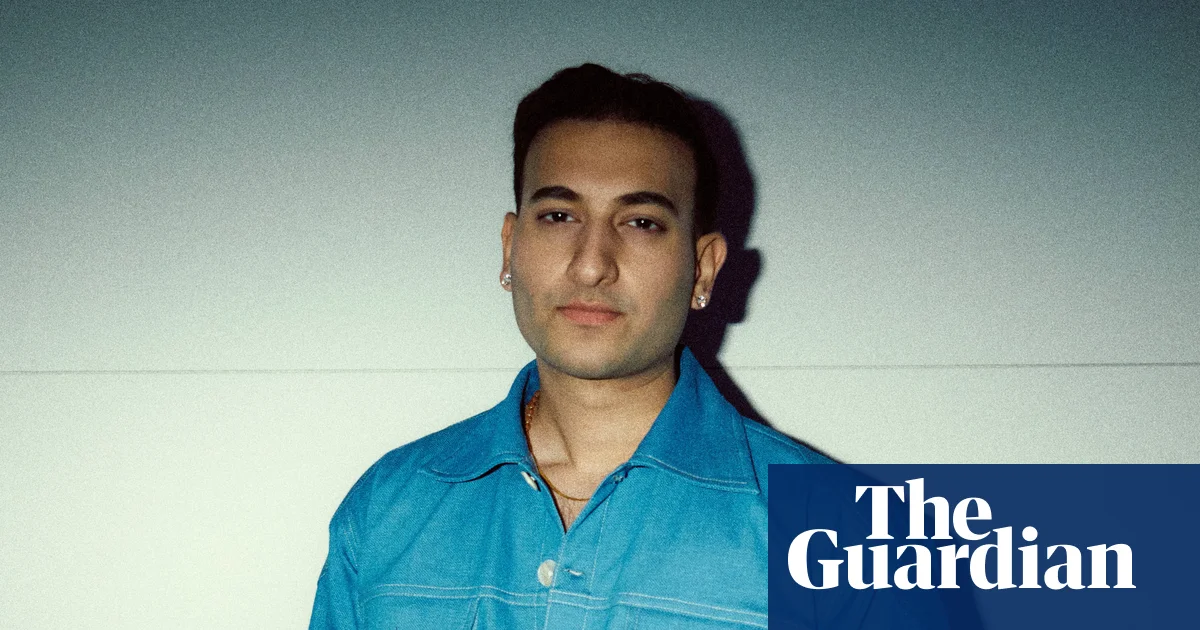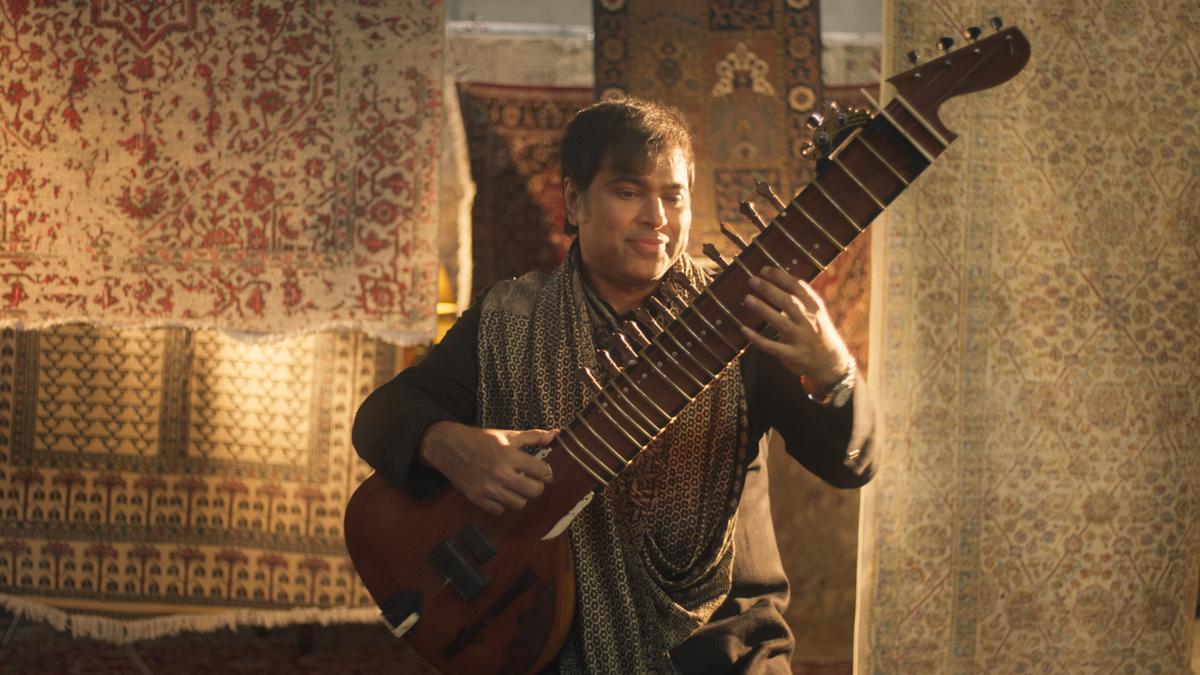
Internationally acclaimed sitar virtuoso and composer Purbayan Chatterjee has a busy schedule with a new album, music tours, a movie biopic and more.A musician who has worked with the likes of Zakir Hussain, Pat Metheny, Béla Fleck and Jordan Rudess, among others, and is carving his own niche through classical performances and genre-defying collaborations.Purbayan Chatterjee was brought up in a very strict and traditional environment where he was taught to remain within the boundaries of the raga and the grammar of classical music. But as he began interacting with musicians from different cultures and genres, he slowly realised that music, at its core, is simply a heartfelt response in the moment to another artistic idea. “Over time, many of the walls and limitations that existed in my mind quietly dissolved away. That allowed me to blend my understanding of raga-based music with nuances borrowed from other musical traditions in a seamless and honest way. As for electrified sounds, I still deeply love the tone of my acoustic sitar. But sometimes, certain emotions demand a little distortion, ambience, or drive to unlock an entirely different form of expression. I try to use those textures selectively, only when the music genuinely asks for them,” he says.An exponent of the Senia Maihar gharana, Purbayan understands the need to navigate the tension between preserving a strict, centuries-old inheritance and reshaping it for Gen-Next audiences. “Cultural inheritance, much like material inheritance, survives only when it is both preserved with care and allowed to evolve with the times,” he says. Whatever he learnt from his father, Pandit Partha Pratim Chatterjee, as well as from the towering legacies of Ustad Ali Akbar Khan and Pt. Ajay Chakraborty, was never meant to become a museum piece. “It had to pass through my own sensibility, my own experiences, my own era. Tradition gives you the grammar, but your times give you the vocabulary. My responsibility now is to pass that knowledge on to my students in a way that allows them to interpret it according to the collective consciousness of their generation,” he adds.For someone who has spoken vocally on the ‘nepotism debate’, he believes that parental identity eventually becomes a very small part of who you are. “Because I began travelling and performing from a young age, I became deeply rebellious toward the idea that destiny should be predetermined at birth. I was inspired by stories of Pt. Nikhil Banerjee, who carved out his own path entirely on merit. Even after moving to Mumbai 14 years ago, a city that has given me so much, I realised that many traditional structures within our industry still revolved around access, familiarity and inherited privilege,” he avers. For him, success should emerge from meritocracy, not hereditary proximity or favouritism. That realisation became one of the driving forces behind initiatives such as Purbayan Arts and Artists Music Foundation (PAAMF), where he consciously tries to create platforms and opportunities for young musicians from all backgrounds who simply need belief, mentorship and visibility.
Sitarist Purbayan Chatterjee on why success should be based on merit, not inherited privilege
Purbayan Chatterjee shares his insights on his music, global collaborations and creating opportunities for young musicians
1,078 words~5 min read