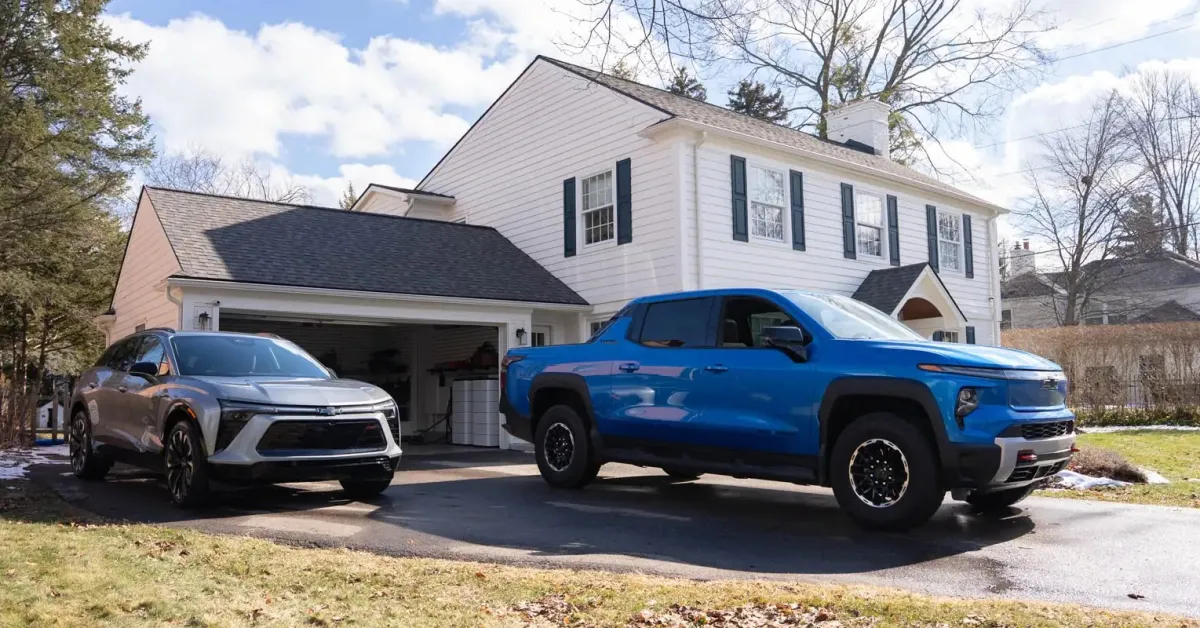
At first glance, Frances Bell’s home in Oakland, California, doesn’t look like a postcard from the EV-powered future. But if a new program takes off, it could be a harbinger of what’s possible for homes across the state and the country.
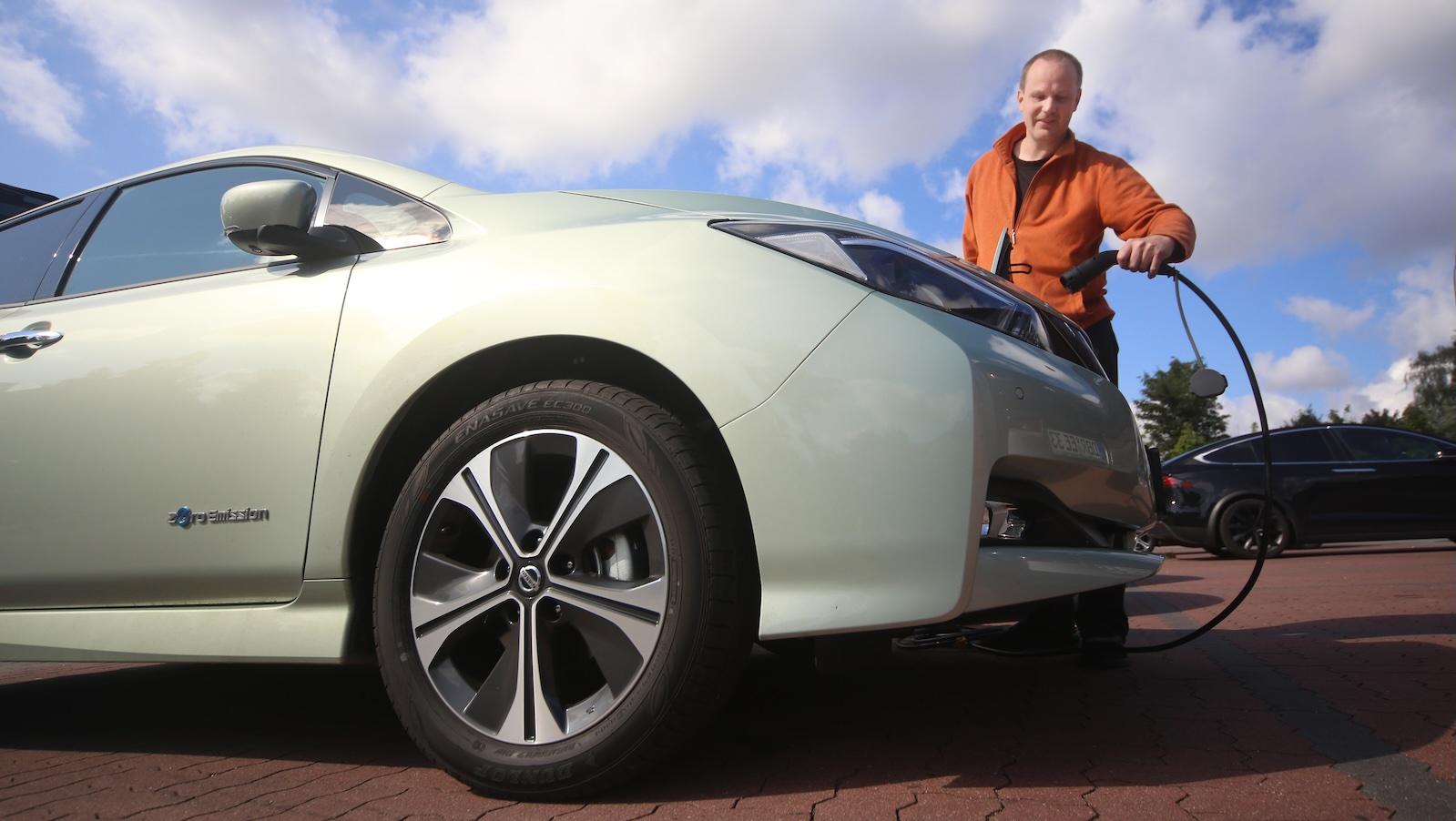
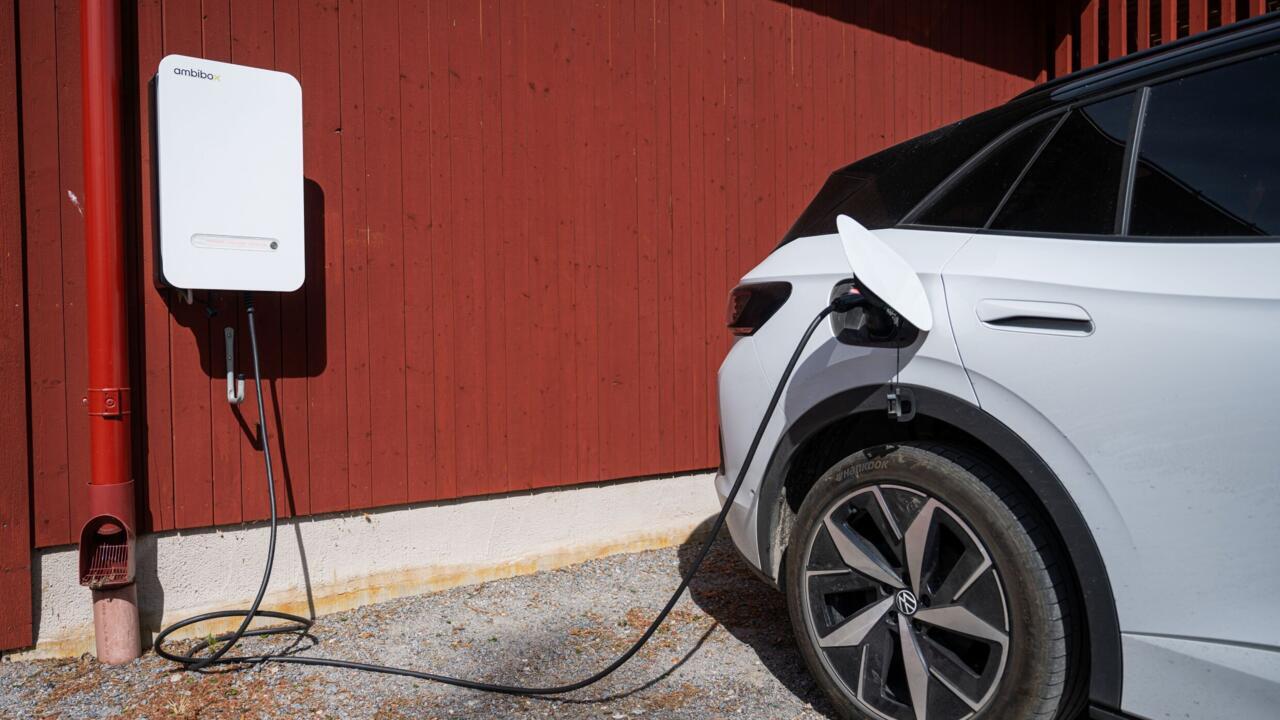
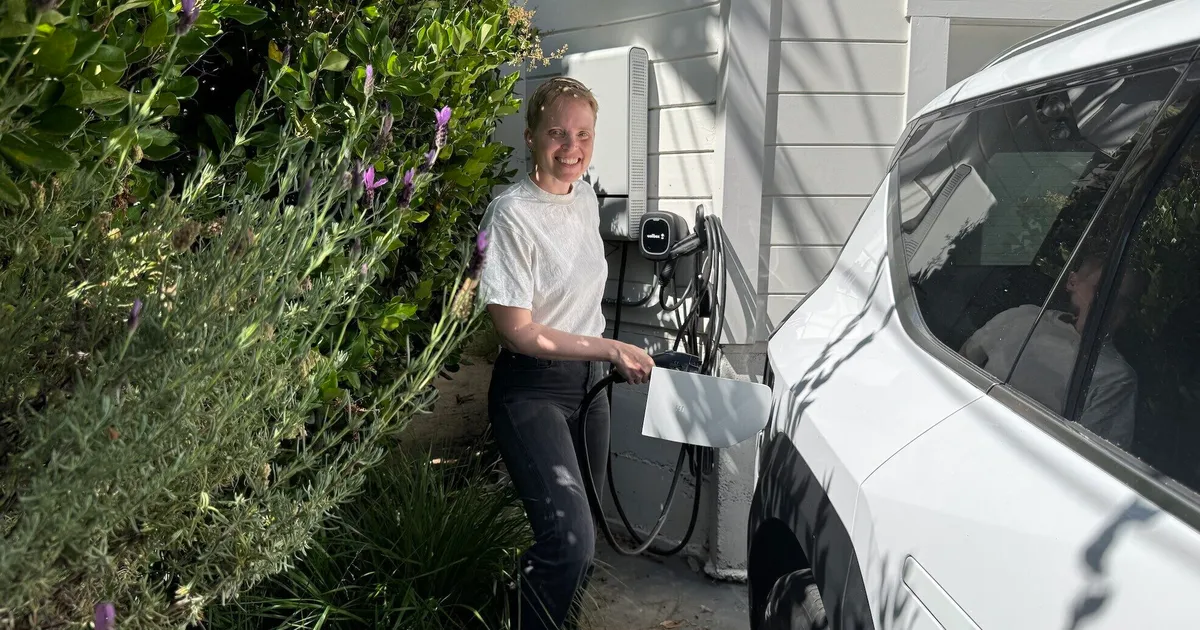
Sure, there’s a shiny new Kia EV9 in the driveway and a black charging cord that runs from the car to an EV charger on the side of her house. But that’s a pretty standard setup in California, the nation’s leader in electrical vehicle adoption.
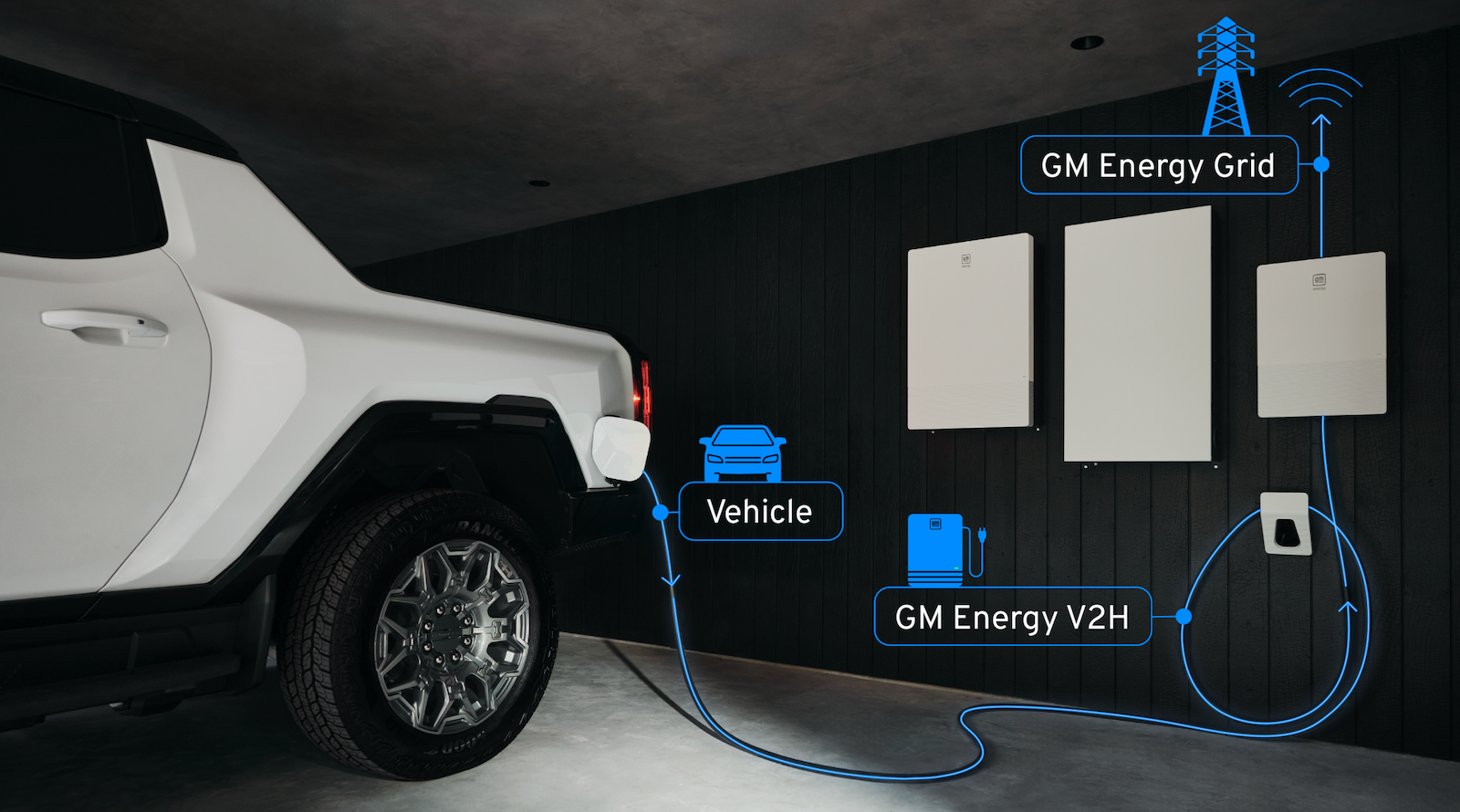
What makes this EV and the charger special is that they don’t just draw power — they also send it back to both Bell’s home and the grid.
As the CEO of Bidirectional Energy, Bell is outfitting homes across California with the same Wallbox Quasar 2 bidirectional direct-current charger that’s mounted to her house. This year, Bidirectional Energy and Wallbox are installing the equipment at about 120 homes as part of a state-funded pilot program that offers participants rebates for two-way chargers. Bell’s household was among the earlist to enroll, primarily to test the technology firsthand.
Their goal: to establish rules of the road for city and county permitting inspectors and utility interconnection engineers to handle these installations, similar to the standards for regular one-way EV chargers and backup batteries.