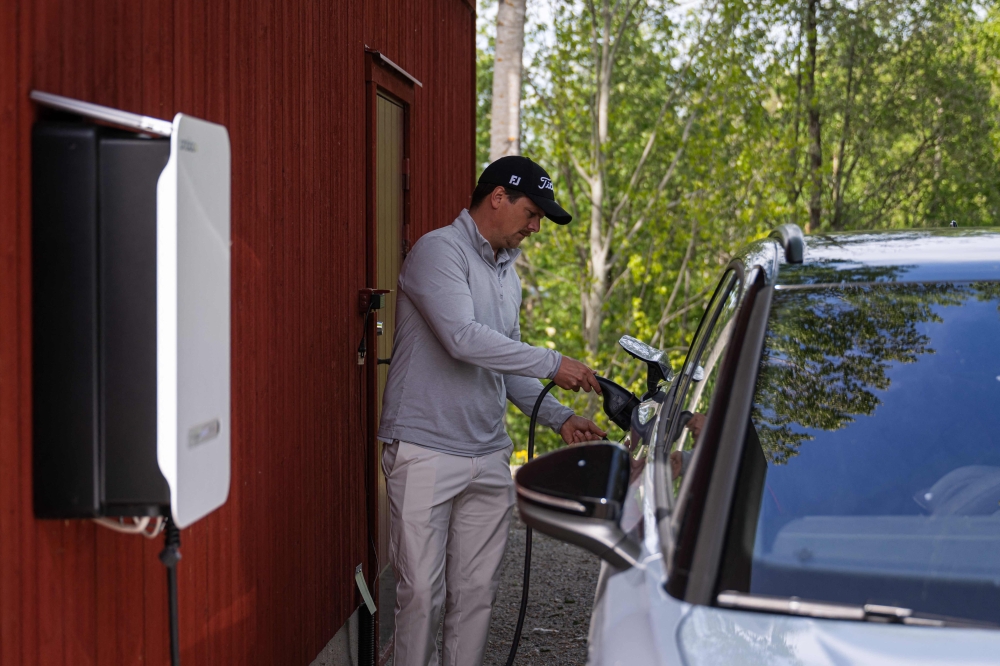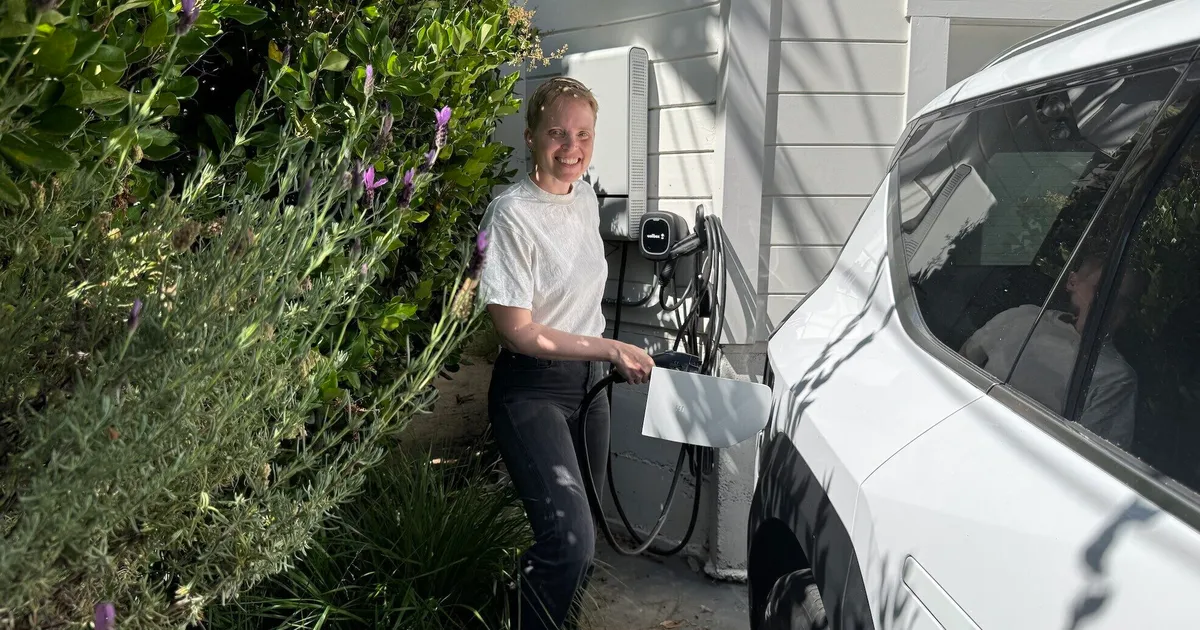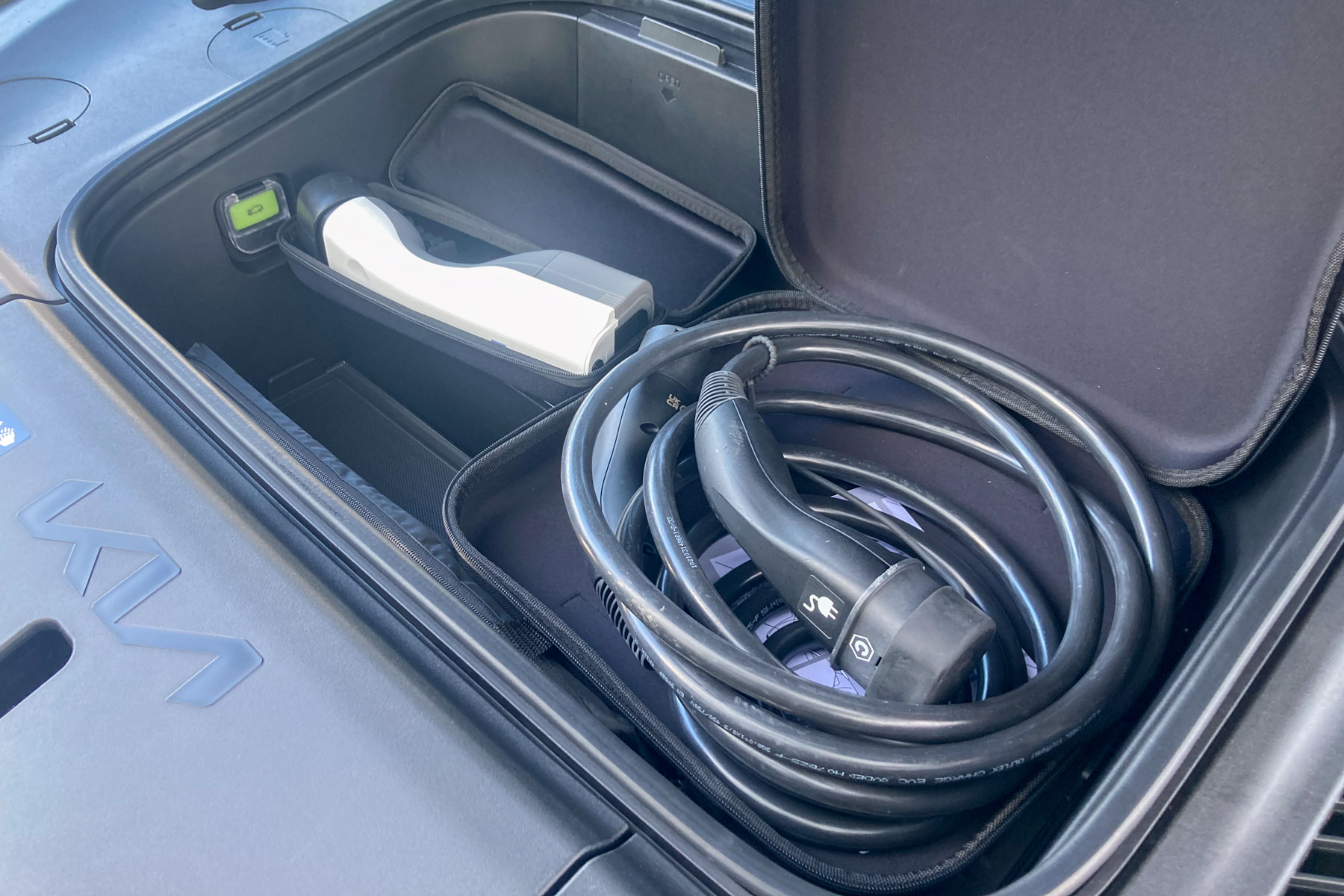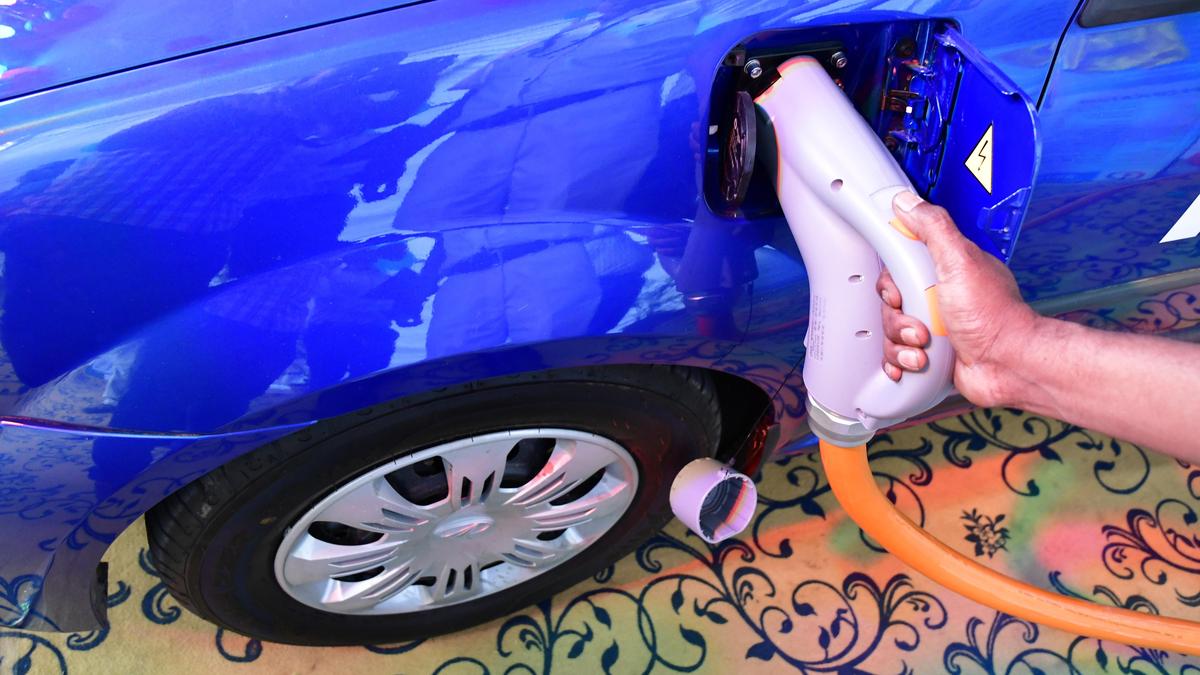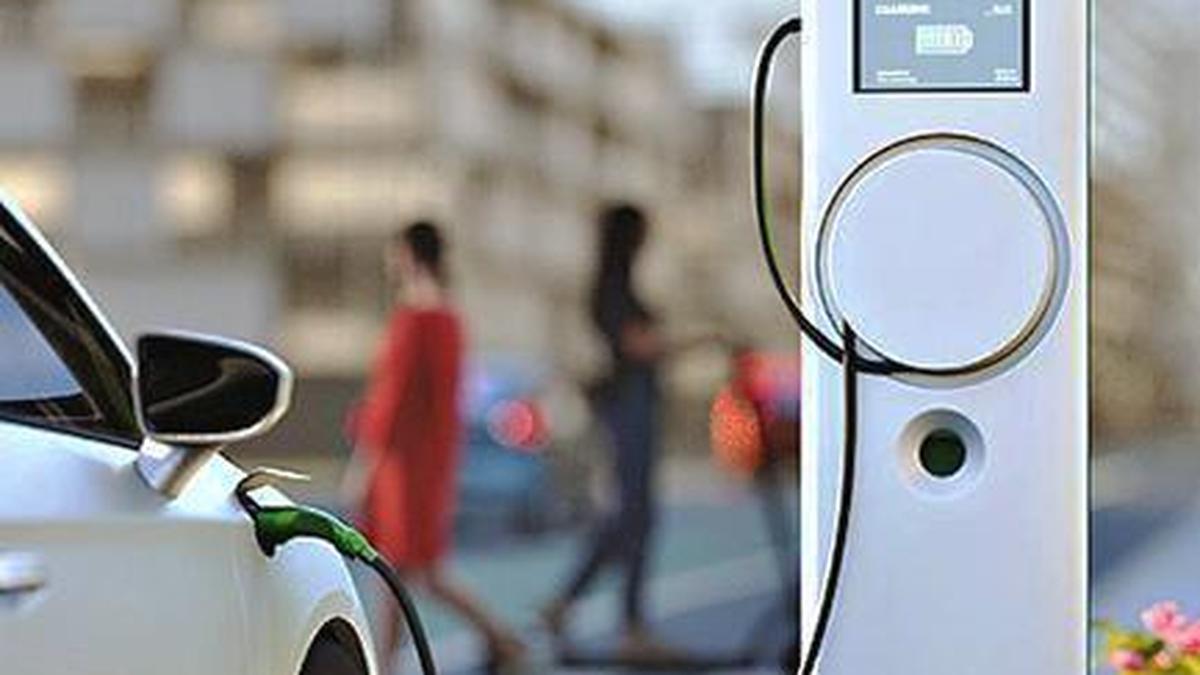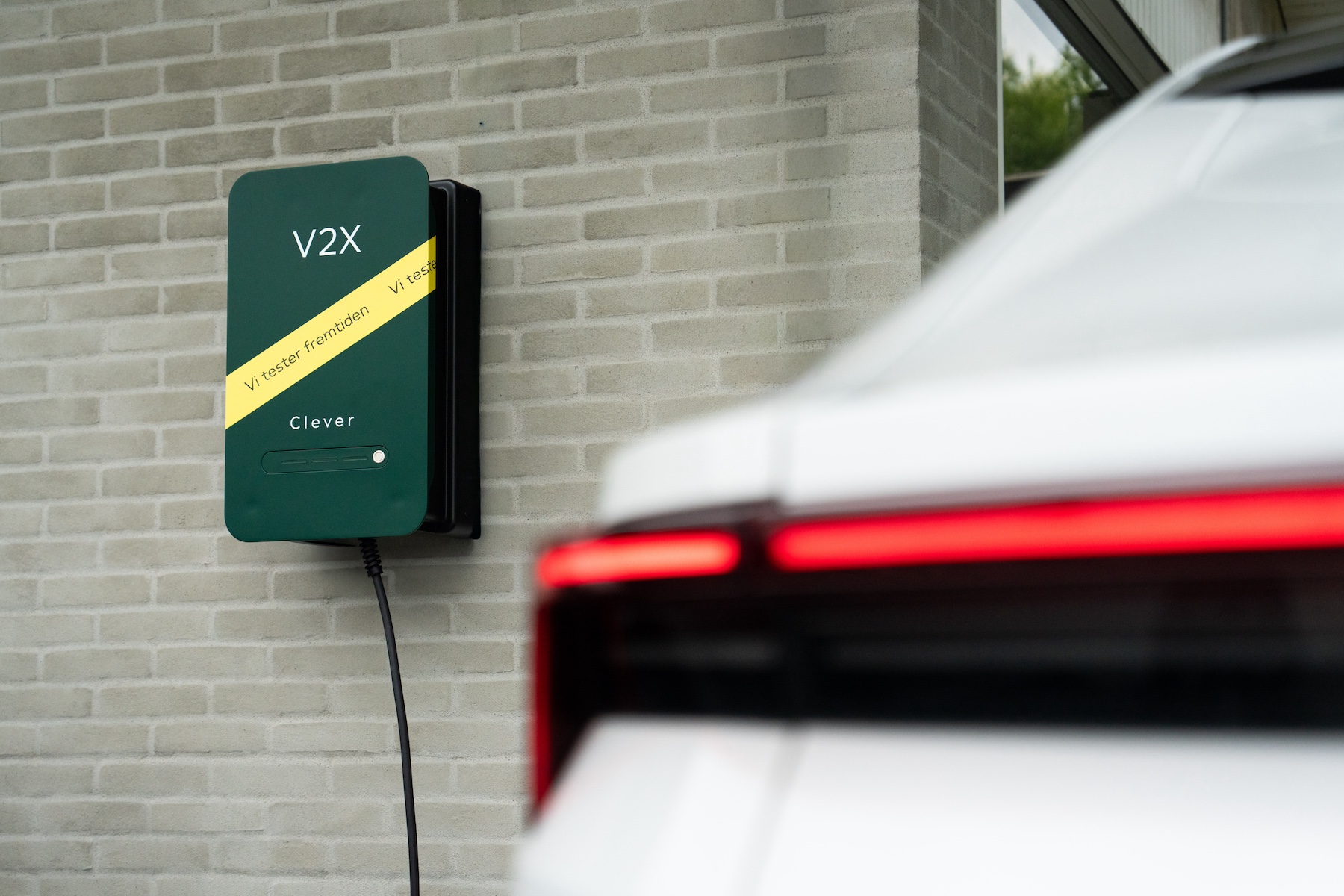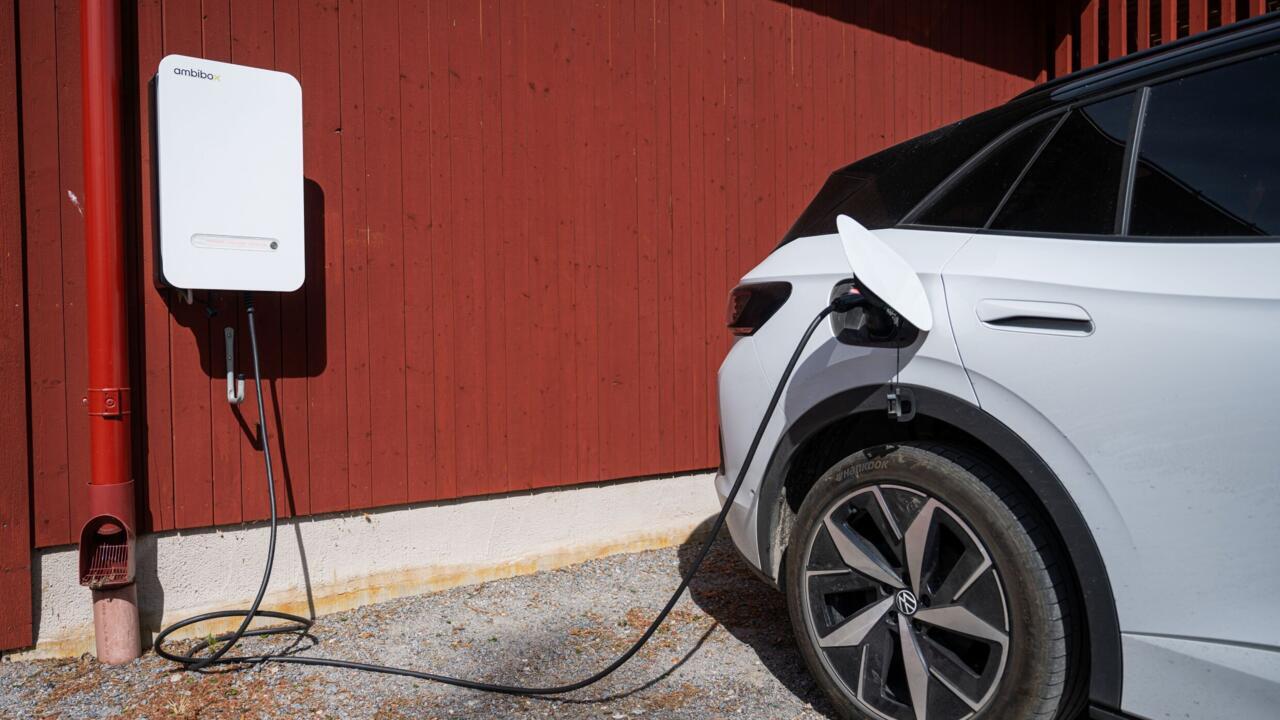
The two-way energy exchange enables the eight families living there to save a lot on electricity bills, resident Filip Kiltorp, a 33-year-old salesman, told AFP. "We use the cars to power our homes when our energy demand is high," Kiltorp said, standing next to his electric vehicle.The cars are connected to charging points by the garages for the flats, which are in traditional red buildings bordered by birch trees and a large golf course.Electric vehicles, when not in use, often have surplus energy stored in their batteries.But having a bidirectional charger means this stored energy can be fed back into the grid to power the flats' electrical appliances, lighting and other systems.The software controlling the system ensures that the car batteries charge up in off-peak hours, when demand for electricity in the flats is low.
No longer simple modes of transport, the cars now also serve as mobile energy storage units © Jonathan NACKSTRAND / AFP
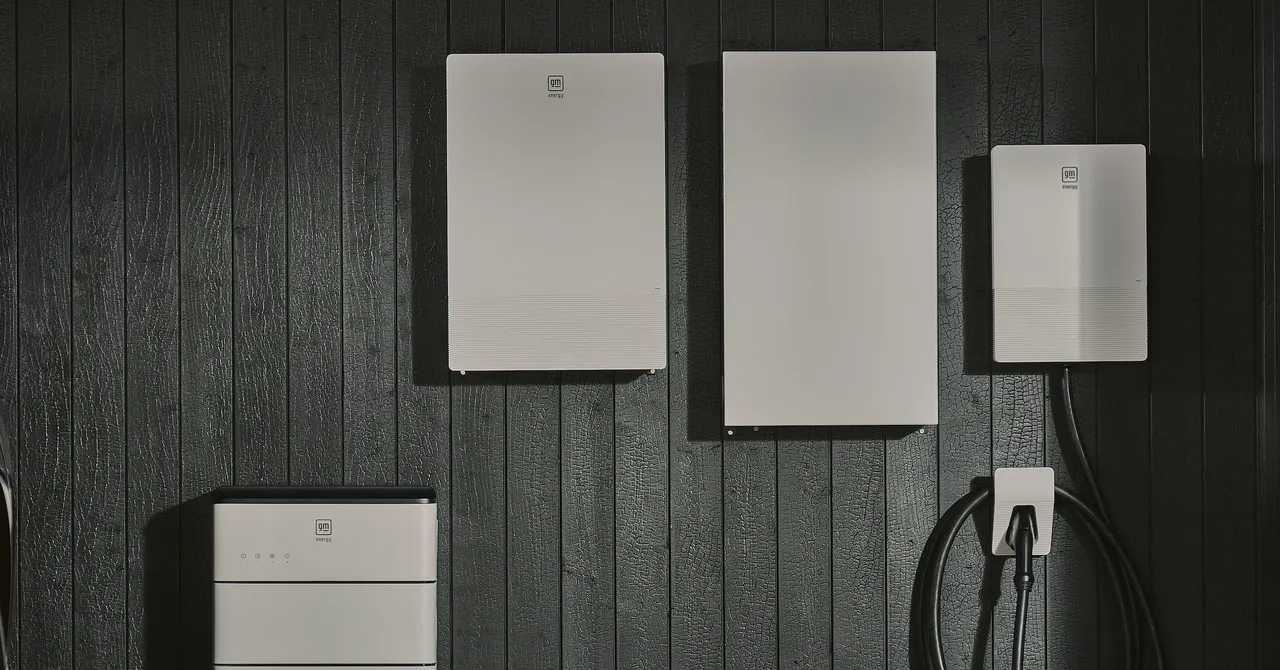
And it switches the flow so the batteries feed electricity back into the local power grid during peak usage hours, when electricity from the network is most expensive, and during power outages.This helps stabilise the grid, explained Klas Boman, the driving force behind the project.'Source of inspiration'It also lowers the occupants' electricity bills."Living here is undeniably cheaper," Kiltorp said."Electricity costs are a recurring topic of discussion at the office or among friends. We use the same amount of electricity as other homeowners but our bill is much lower," Kiltorp continued.The flats are powered by other, renewable energy sources too, making them "almost self-sufficient", Kiltorp said.No longer simple modes of transport, the cars now also serve as mobile energy storage units.In addition, the eight flats have a shared heat pump, which helps manage heating costs.And they have solar panels on the roofs, combined with stationary storage units that hold any surplus power generated by the solar panels.The pilot project is a joint enterprise by housing association BRF Stenberg, carmaker Volkswagen and Swedish utility company Vattenfall.It aims to demonstrate that V2G (Vehicle to Grid) technology can work on the scale of a residential complex.