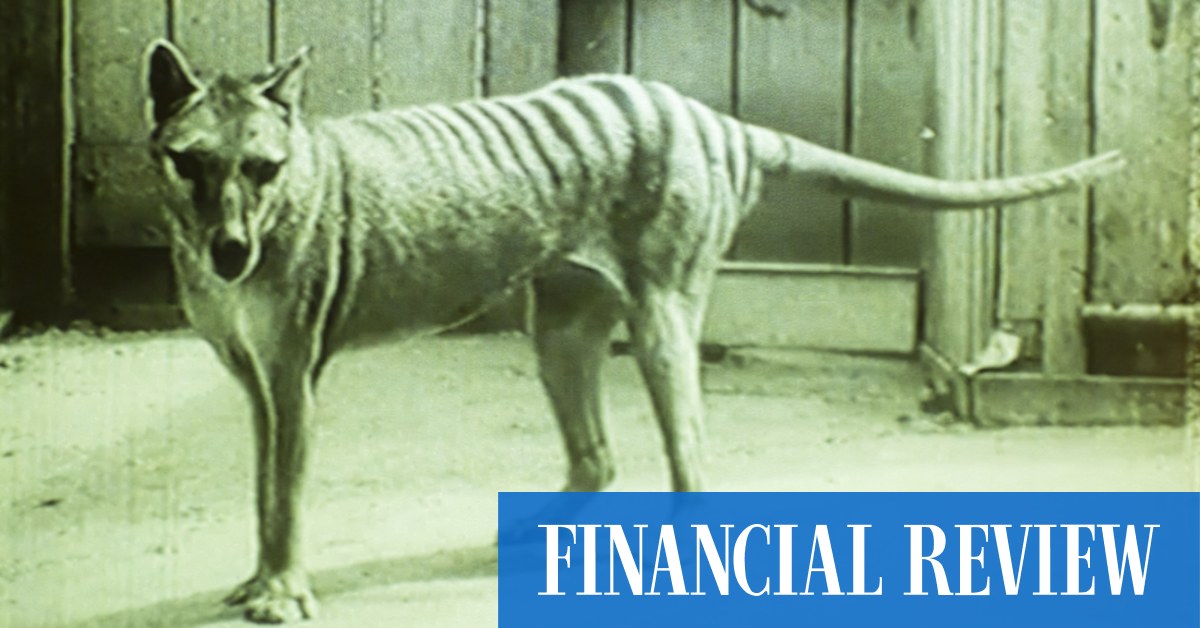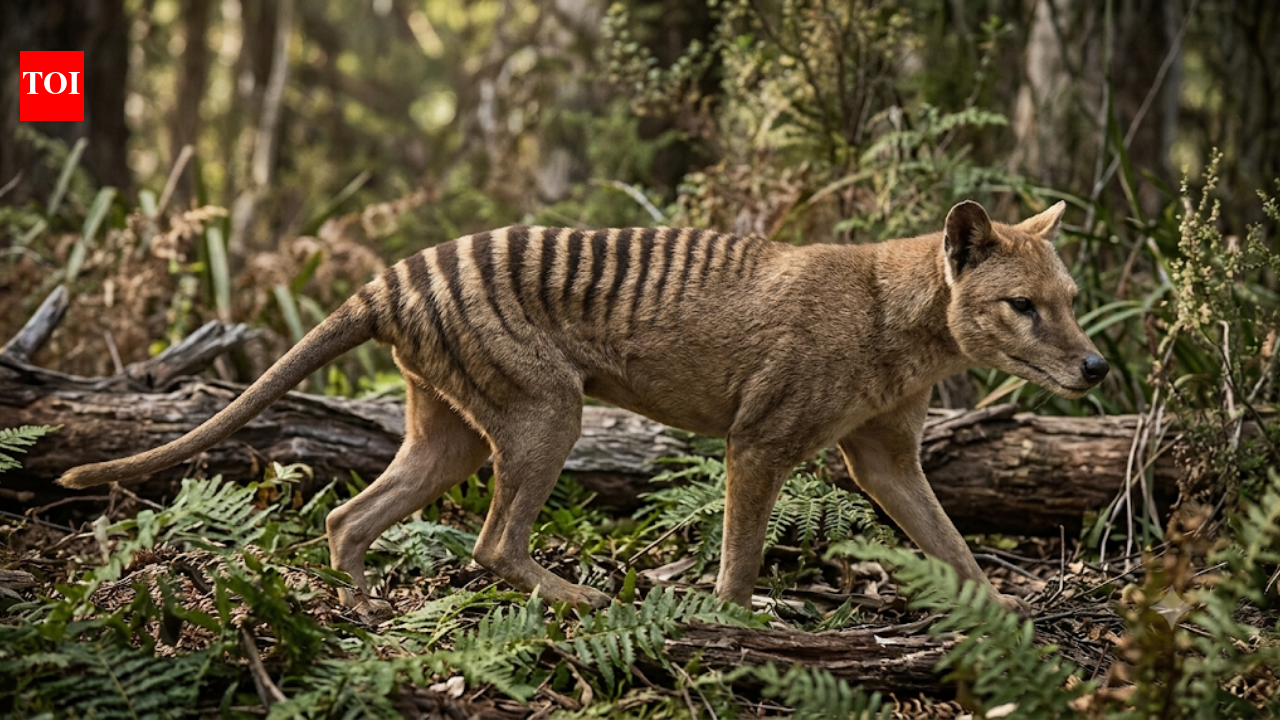
For decades, the Tasmanian tiger was portrayed as Australia's most feared livestock predator.
Farmers blamed it for dead sheep, newspapers described it as a menace to agriculture, and the Tasmanian government eventually paid cash rewards for its destruction.
By the time the last known thylacine died at Hobart Zoo in September 1936, the species had vanished from the wild.
Yet modern research suggests the animal may have been convicted in the court of public opinion long before the evidence was properly examined.
Historical bounty records, population modelling, body-size analyses, and disease investigations now indicate that the thylacine's reputation as a devastating sheep killer may have been greatly exaggerated.