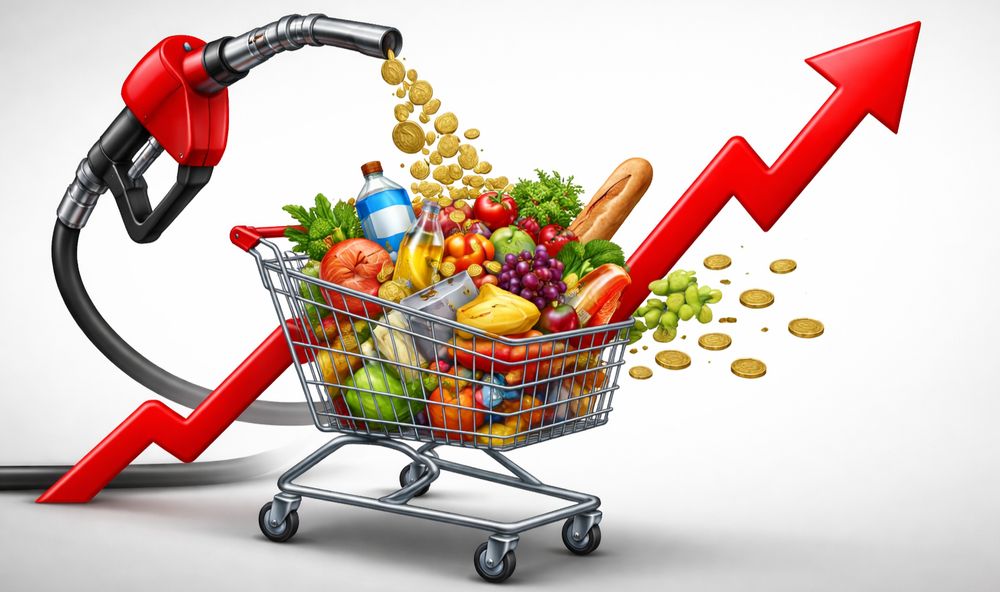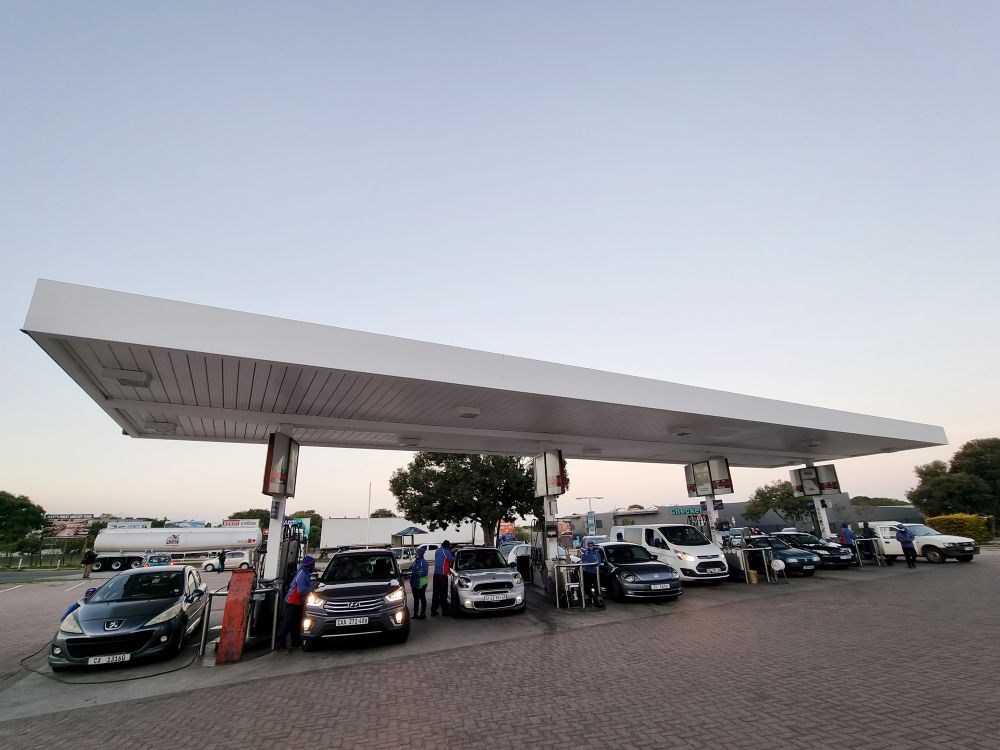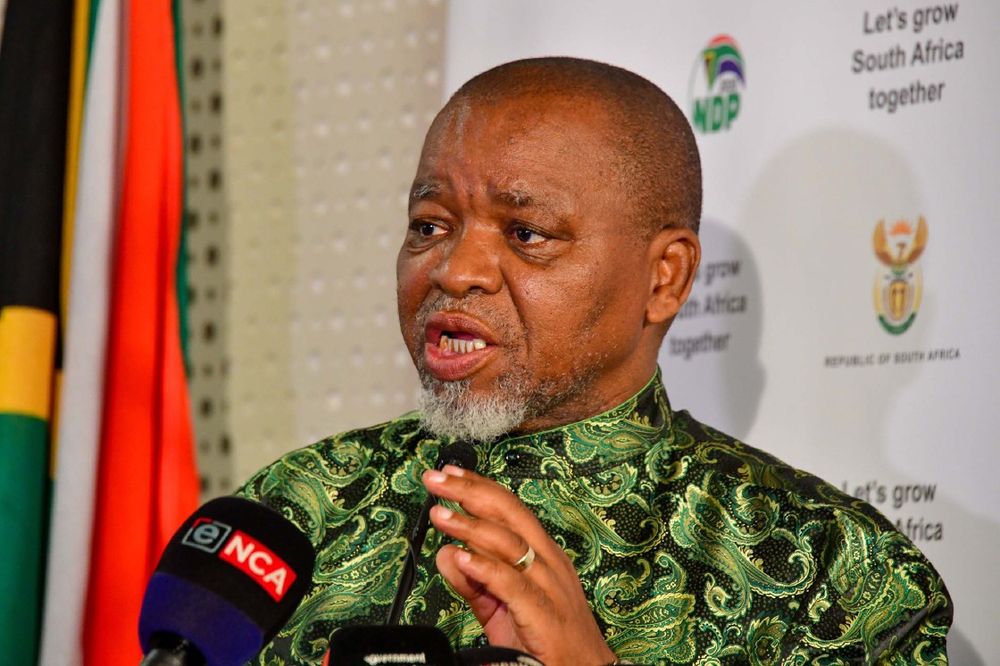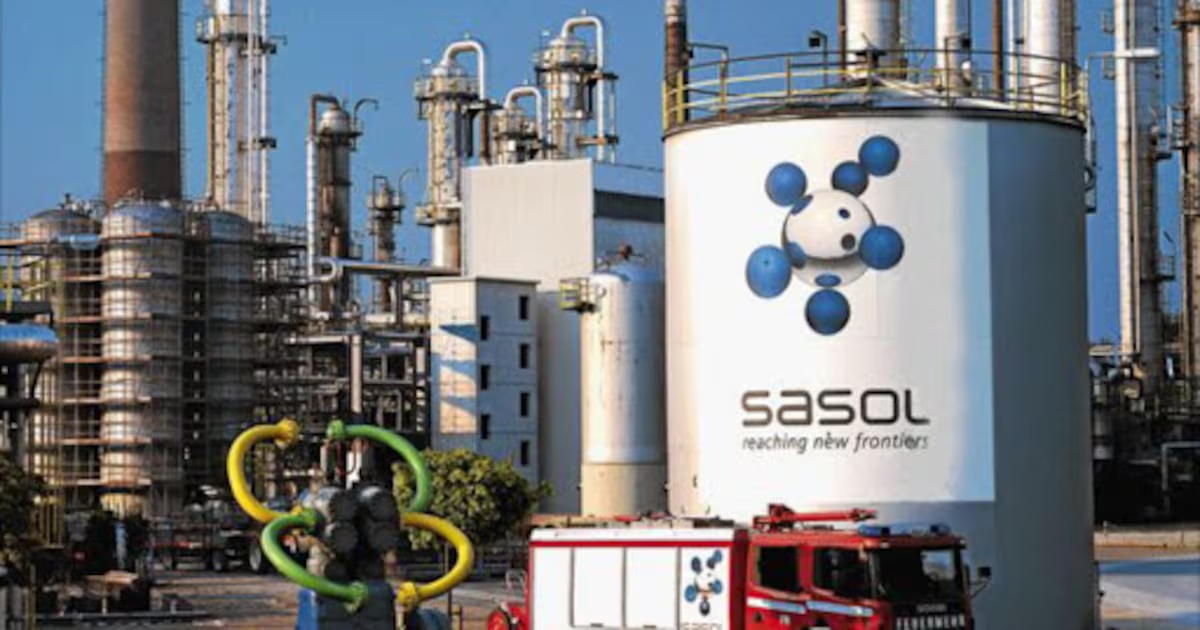
The gas supply cliff risk to our economy has prompted business to raise warning flags for more than the past two years. It has now become apparent that, despite much talk, there has been minimal progress to address the risk. As business we must sound the red alert: we are genuinely concerned there is insufficient time to fully mitigate the risks, and so we must plan for the impact and redouble efforts to secure more supply as quickly as possible. The cliff is not a metaphor. Sasol’s Pande-Temane gas fields in Mozambique, which supply most industrial gas to Gauteng, Mpumalanga and KwaZulu-Natal, currently about 167 petajoules per year, will be depleted by 2028. After that, the one certain supply is a small methane-rich gas bridge from Sasol’s Secunda plant, covering the period to about 2030. That leaves a large gap to be filled by other sources. The question is when and with what? (Karen Moolman) South Africa has been here before. The end to load-shedding has perhaps made everyone breathe too easy and forget our broader energy situation beyond electricity. We need some of that crisis-solving zeal seen around the load-shedding crisis applied here, and we need it now. That urgency has been absent. The departments of trade, industry & competition and mineral & petroleum resources have, between them, generated years of working groups, task teams and consultations with little to show. The Gas Master Plan, which should be the guiding framework for national gas security, remains incomplete. The Integrated Energy Plan (IEP), a legal obligation under the National Energy Act, has not been published according to the schedule the law requires. Business has engaged, submitted, briefed and warned, repeatedly and in good faith. What came back was process, not progress. That is a failure, and we name it as such. The damage is not waiting for 2028. Investment flight is underway now. Companies making long-term capital decisions now, across glass, steel, ceramics, vehicle manufacturing, food & beverages and pulp & paper, face those decisions without any clarity on future gas supply, and some are already choosing to disinvest or defer. Each month of inaction locks in more of that loss, compounding the harm before the cliff even arrives. When the cliff hits the consequences cascade. Industries that cannot switch fuels face curtailment or closure. Those that can switch to diesel, heavy fuel oil or liquefied petroleum gas will pay more and emit more, other businesses will switch to coal and emit more. Government and industry face an uncomfortable triage: deciding which plants and sectors get priority access to whatever gas remains.Gas-dependent industries contribute R700bn to the economy annually, sustain 75,000 direct jobs and account for 8% of national GDP, with a six times employment multiplier running through the wider economy. A national crisis, not a sectoral problem. Some will argue the cliff represents the market working, on the basis that moving away from fossil gas aligns with South Africa’s climate commitments. That argument does not survive scrutiny. Our nationally determined contribution sets a trajectory over 20-25 years; it does not mandate supply shocks. A supply collapse in 2030 is deindustrialisation, not climate action. Forcing industries onto other fuels, which is what fuel switching means, produces more emissions, not fewer, so the cliff is also bad for the climate. Managing this transition with care and protecting existing industrial users while building alternative supply sits well within our climate framework. A key cog in future gas demand is gas-to-power, which the energy transition needs to balance the grid. As South Africa phases out baseload coal, intermittent photovoltaic and wind introduce stability challenges that an optimal mix of gas and batteries can address. Developing that capacity requires a strong, certain pipeline of gas supply. So what needs to change? The Gas Master Plan needs finalising and publishing. Compliance with the duty to publish the IEP each year, a requirement set aside without explanation, is long overdue. Section 34 determinations for gas-to-power need to be issued to create the anchor offtake demand that makes liquefied natural gas (LNG) import infrastructure bankable. Without that demand stack, private capital will not reach financial close on LNG terminals. Joint frameworks with Mozambique and Namibia need formalising as a state priority, given that Namibia’s piped gas offers a cheaper long-term supply route than LNG, provided the pipeline investment is committed now. A gas aggregator needs formal recognition to consolidate industrial demand and negotiate supply contracts at the scale these projects need. Permitting and licensing delays blocking LNG terminal development at Richards Bay and through the Mozambique corridor need to go. Engagement from the presidency on regulatory certainty has improved, and we acknowledge those conversations. But a better conversation is not a plan, and a plan without delivery is not a solution. It is time this issue was raised to the apex of government and for the president to lead a gas cliff crisis committee — not a consultative forum, not another ministerial task team, but a presidency-led structure with a mandate, a timeline and the authority to align the departments of electricity, energy, trade and minerals, the National Treasury, Eskom, Transnet and industry, behind a single, sequenced plan that reports to the cabinet and parliament and is held to account on outcomes, not process. South Africa solved load-shedding when it stopped treating the problem as an energy department matter and started treating it as a national emergency. The gas cliff demands the same shift. • Mathe is CEO, and Dos Santos head of energy and environment at Business Unity South Africa.
KHULEKANI MATHE AND ROSALIND DOS SANTOS | Government asleep behind the wheel as SA heads for imminent gas cliff
Despite warnings, government plans and rules remain unfinished, risking disruption
924 words~4 min read