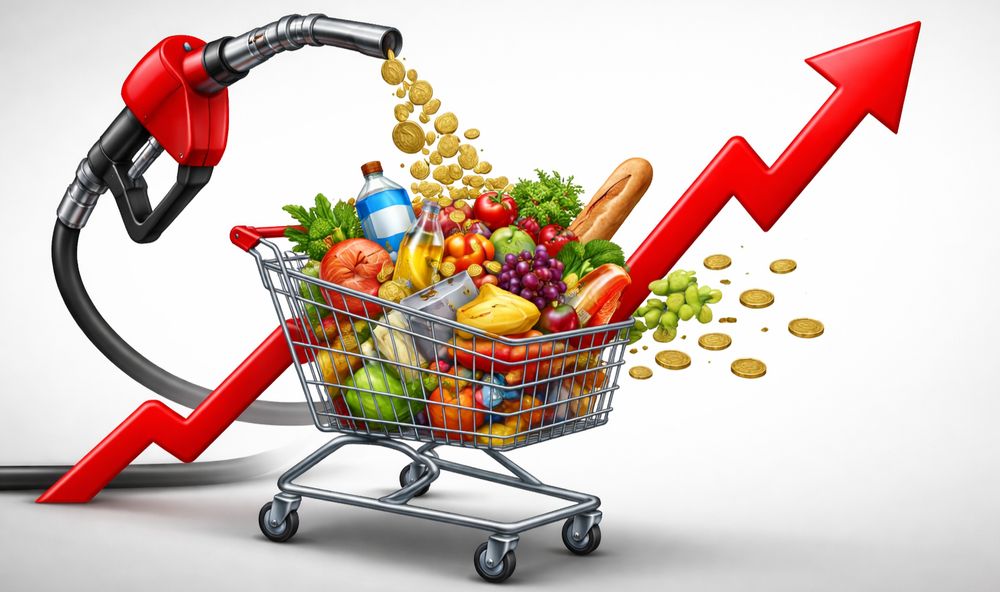
The combination of a phased rollback in temporary fuel levy relief and a “surprise” interest rate hike by the South African Reserve Bank has created a perfect storm, in the economic sense, says the writer.
SOUTH Africa’s macroeconomic climate has long resembled a high-wire balancing act. From budget speeches to SONAs, we are a society grappling with structural unemployment, stagnant economic growth, and a fragile fiscal framework; the margin for error is razor-thin.
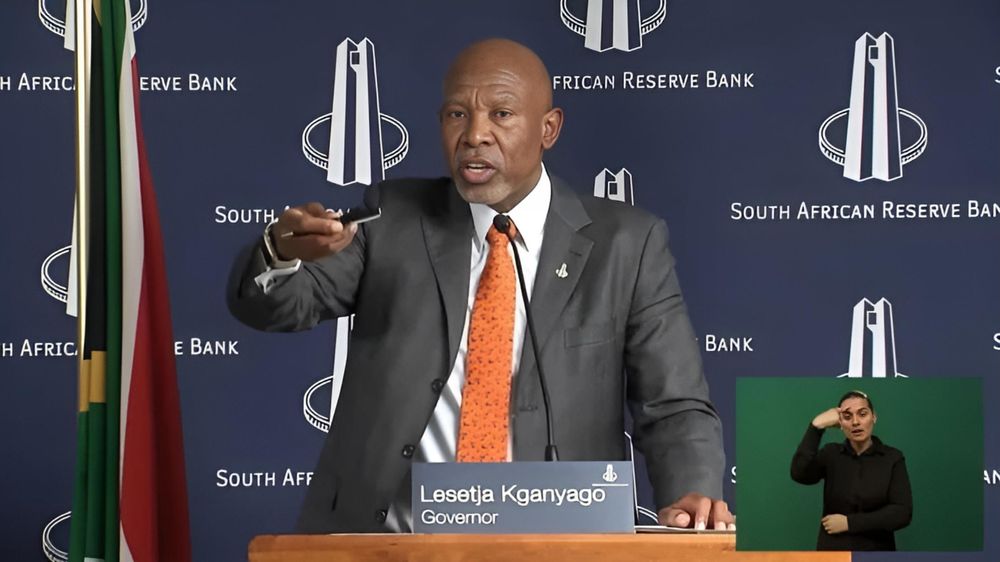
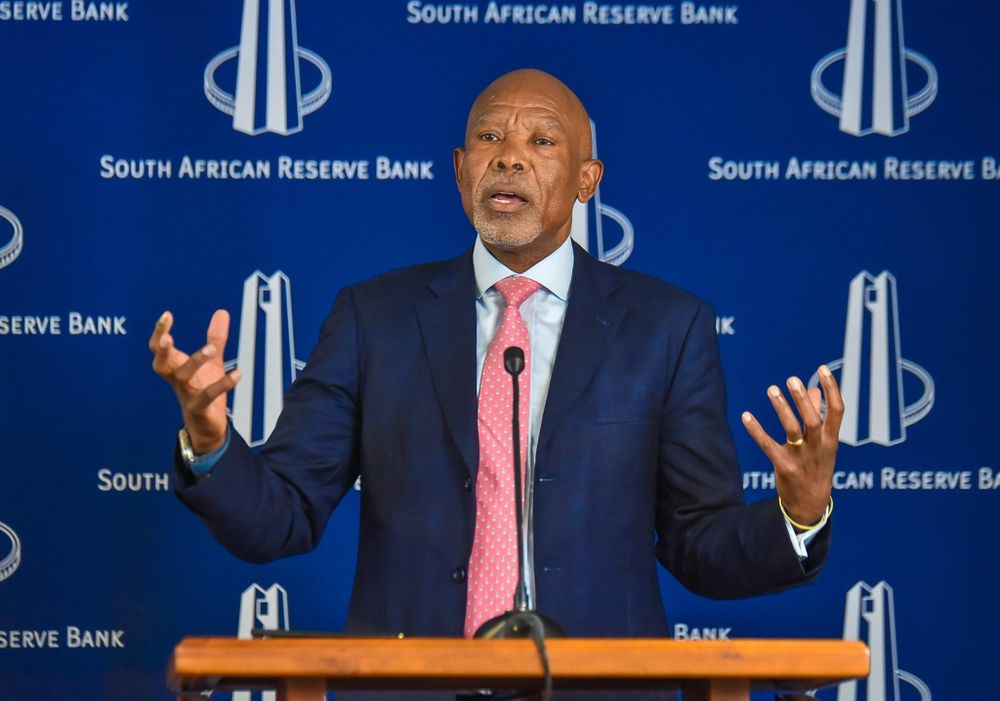
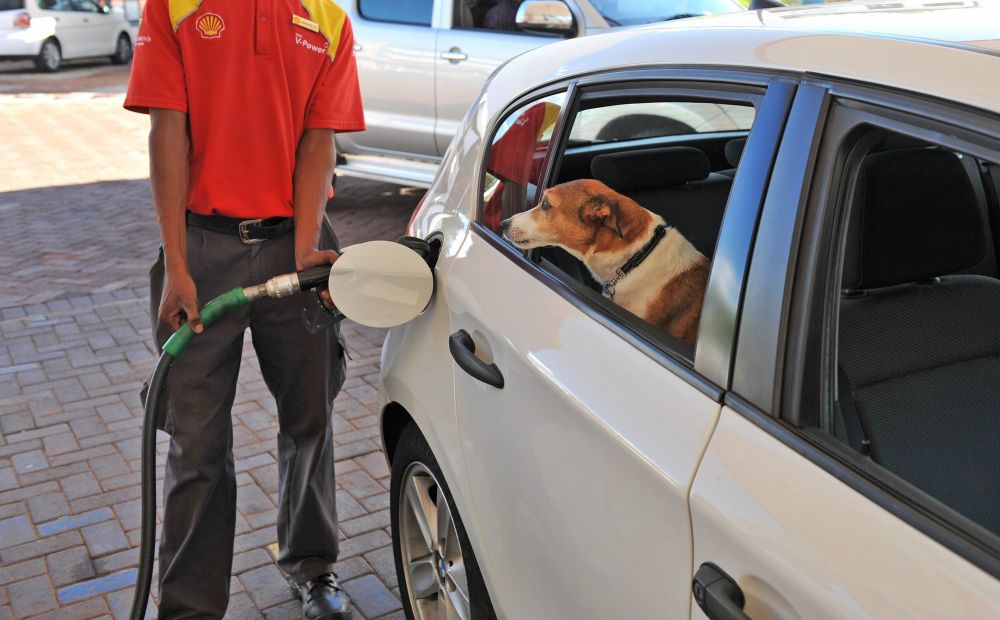
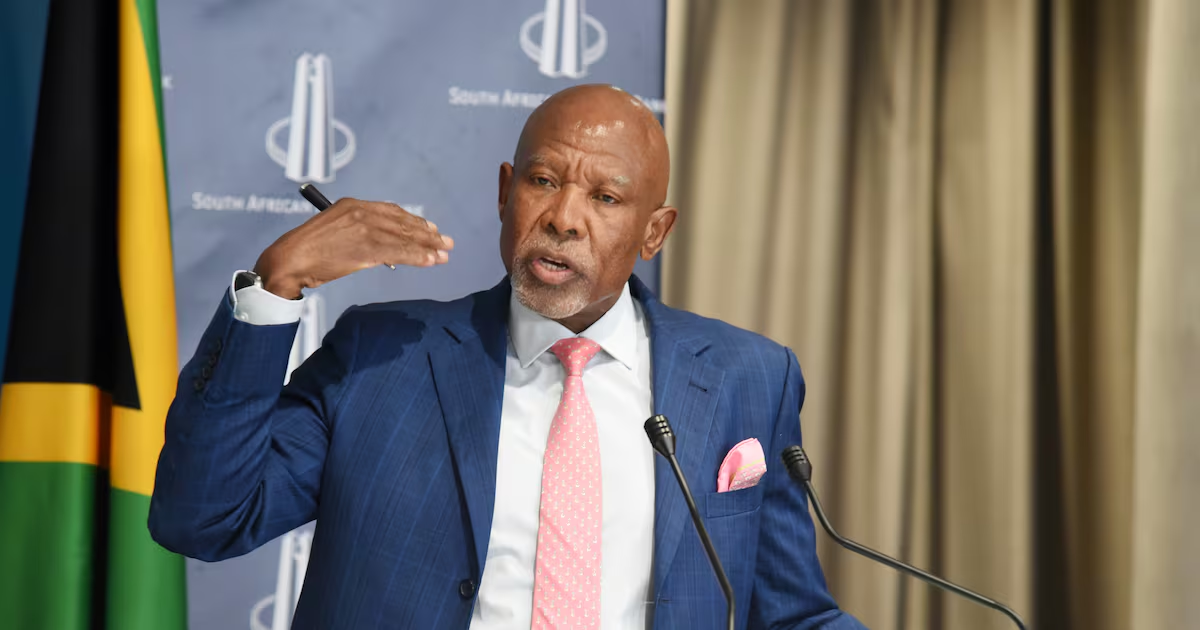
Recently, that wire was stretched even tighter. The combination of a phased rollback in temporary fuel levy relief and a “surprise” interest rate hike by the South African Reserve Bank (SARB) has created a perfect storm, in the economic sense.
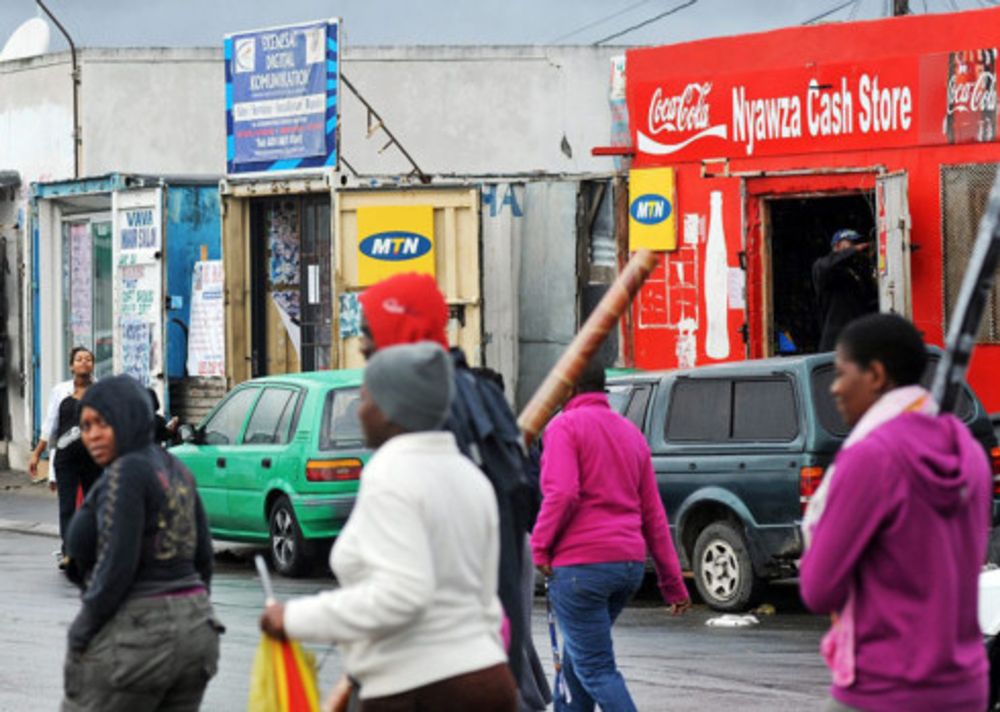
For ordinary citizens and business owners already operating under extreme economic constraints, these developments represent more than just financial metrics; they constitute an escalating affordability crisis.
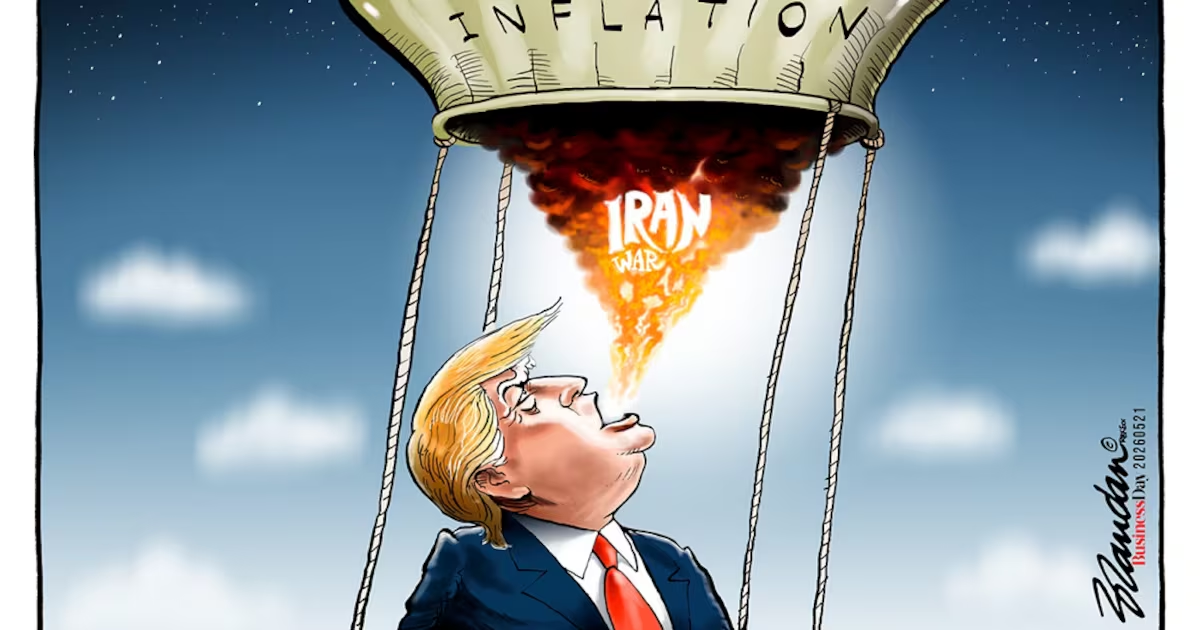
At the start of the year, there was cautious optimism that South Africa might lower interest rates as inflation moderated. However, rising geopolitical tensions, particularly in the Middle East and the closure of the Strait of Hormuz - through which around 20% of the world’s oil flows - led to a surge in global Brent crude prices, disrupting those expectations.