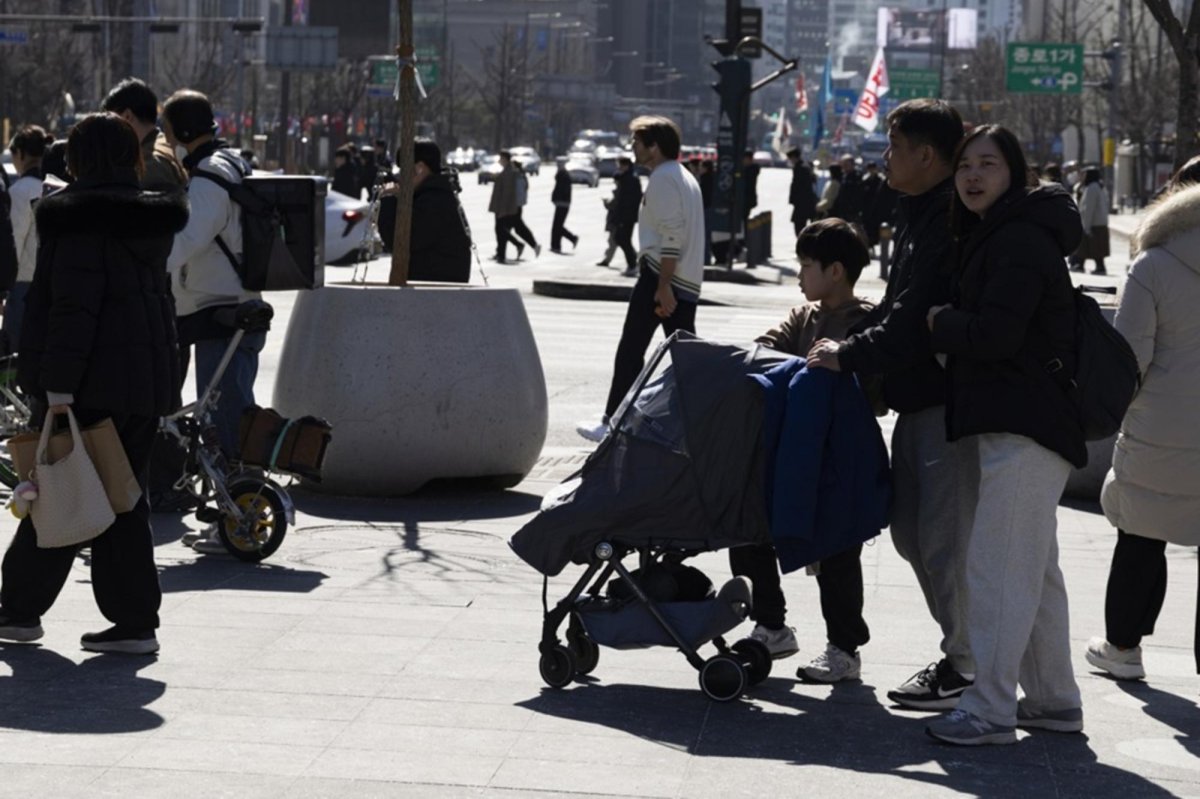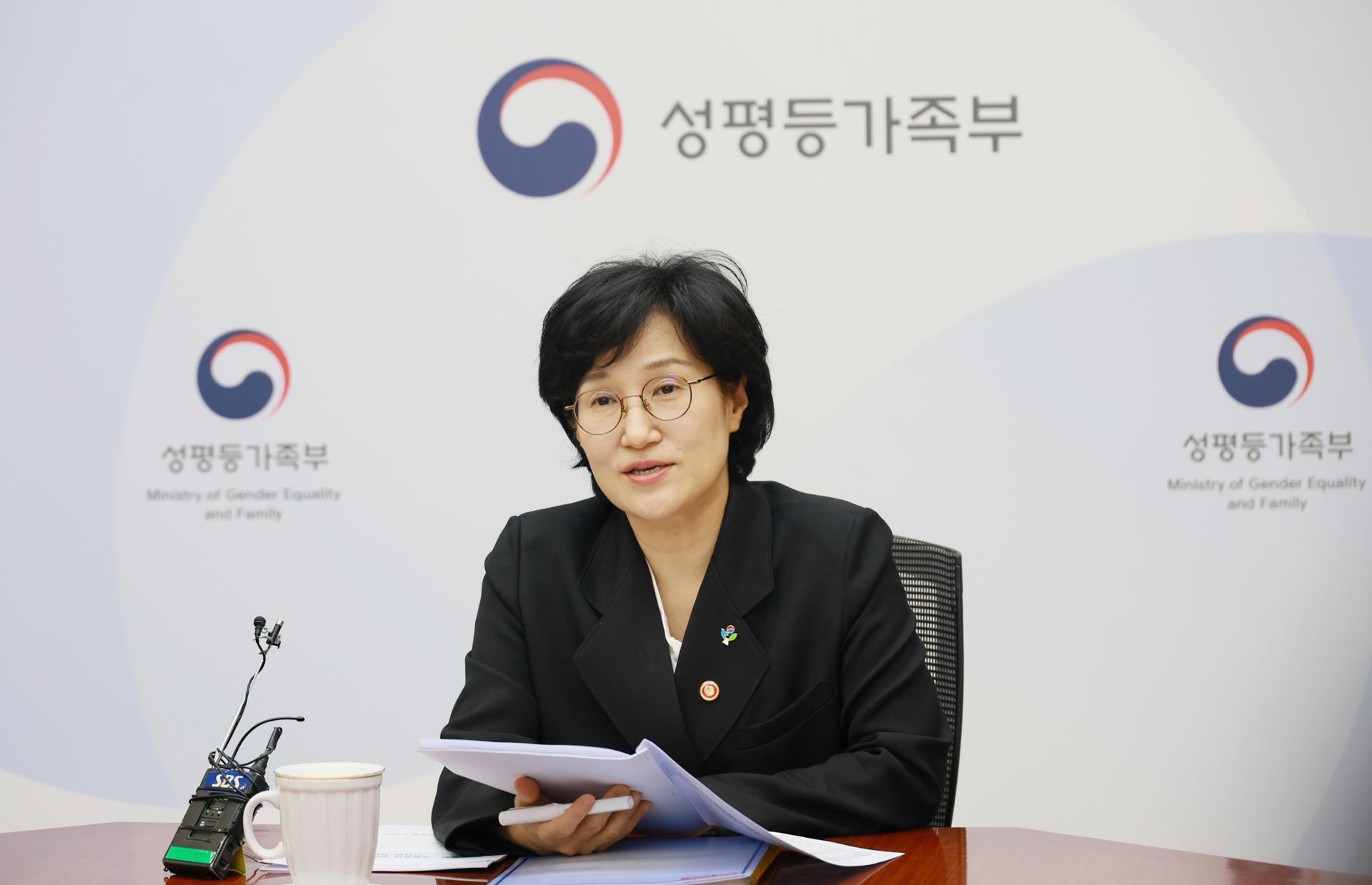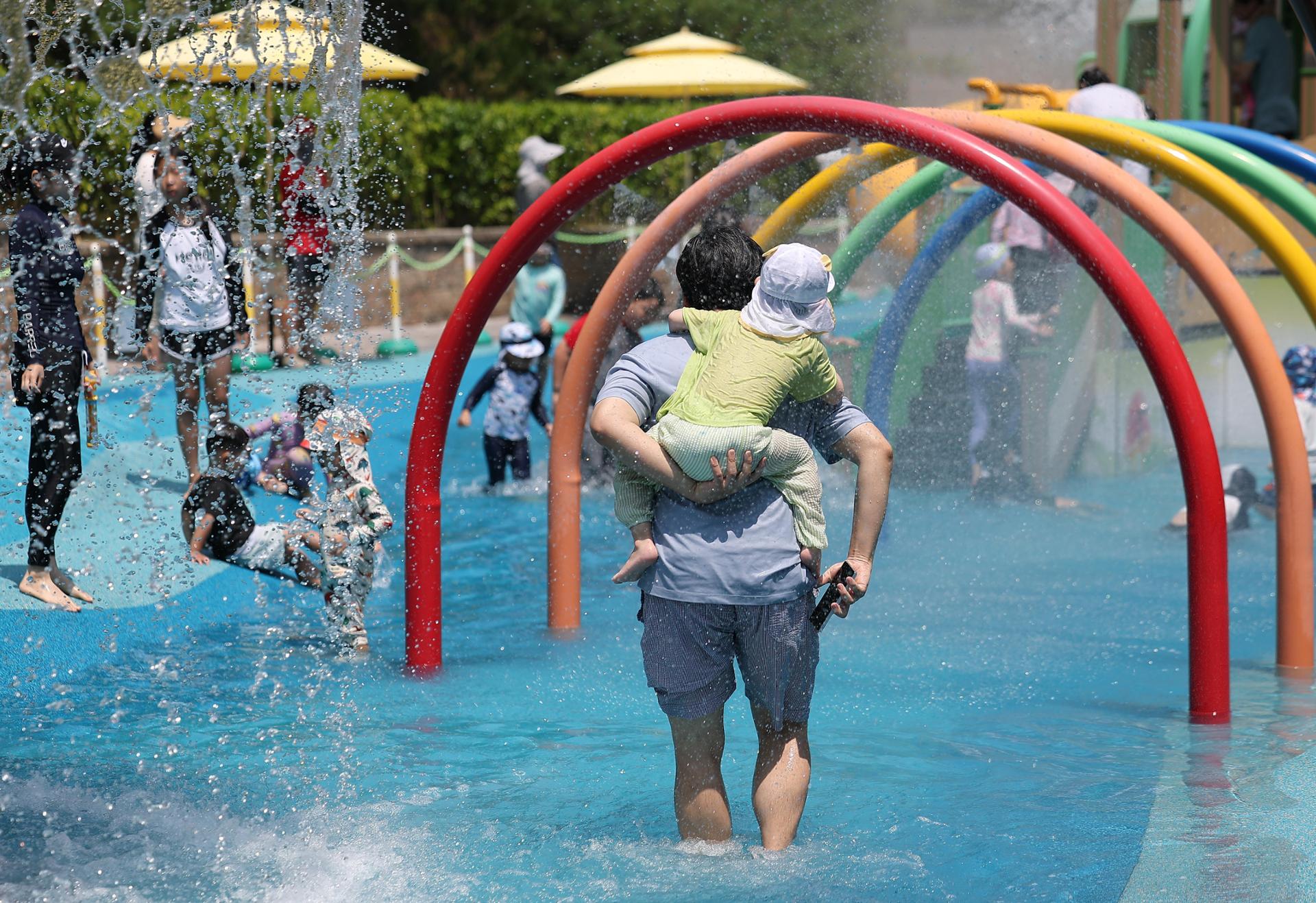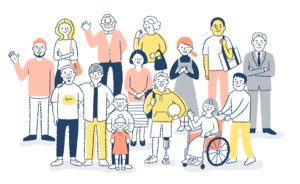
New five-year plan targets welfare blind spots facing single fathers, one-person households and migrant-background families (Getty Image) South Korea on Tuesday laid out plans to expand government support for families with migrant backgrounds, single fathers, one-person households and other groups long excluded by family policy as part of a new five-year policy blueprint.The Fifth Basic Plan for Healthy Families, covering 2026 to 2030, was approved at a Cabinet meeting Tuesday. The government described the plan as a shift toward a more inclusive family policy framework designed to reflect the country's changing demographics and household structures.The plan comes as South Korea sees growing numbers of one-person households, residents with migrant backgrounds, and alternative family arrangements while grappling with an aging population, declining birthrates and increasing caregiving burdens.The government said existing policies have not kept pace with these changes."The Fifth Basic Plan for Healthy Families is a comprehensive national strategy that reflects the increasingly diverse realities of families and seeks to ensure that all families receive the support they need," Gender Equality and Family Minister Won Min-kyong said.One of the most significant changes involves support for migrant-background families.The government said it will seek revisions to the Multicultural Families Support Act to expand eligibility for family support services to migrant-background children and adolescents.Current policies have largely focused on children from multicultural families, defined as households formed by a Korean national and an individual from a different cultural background.But the new framework broadens the scope to include a wider range of young people with migrant backgrounds.Support will extend from birth registration and education to assistance with residency and self-reliance.Authorities also plan to use generative artificial intelligence to provide family policy information and daily living guidance in 15 languages to improve access to public services.Korea's migrant-background population has continued to grow. According to Statistics Korea, the number of residents with migrant backgrounds surpassed 2.7 million last year, accounting for roughly 5 percent of the country's population.Protecting single fathersThe new plan also expands legal protections for single fathers, a group that has long faced administrative barriers when registering children born outside marriage.Under the current system, birth registration is generally the responsibility of the biological mother, meaning fathers are unable to register a child independently.If the mother cannot be contacted, lacks identifiable information or refuses to cooperate with the registration process, fathers must go through court procedures to prove both their biological relationship to the child and the circumstances preventing the mother from filing the registration herself.Advocacy groups have argued that the process leaves some children effectively unable to obtain legal identity documents, access public services or exercise basic rights in a timely manner.The government said it will pursue legislation allowing single fathers to register the births of their children by establishing a clearer legal basis for birth registration.Under the proposed changes, biological fathers would be added to the list of people eligible to seek legal confirmation of paternity, allowing them to establish a parent-child relationship through scientific evidence such as DNA testing and register the birth even without formal acknowledgment procedures.One-person householdsSupport for one-person households will also be expanded under the plan.The government said it will establish a legal basis for family centers to provide dedicated services for people living alone and develop life-cycle programs covering relationships, caregiving, financial management, safety and housing. Additional support will be provided for high-risk one-person households through more comprehensive case management services.According to Statistics Korea, one-person households have become the country's most common household type, accounting for more than one-third of all households.The plan also expands support for single-parent families, including stronger childcare assistance and broader welfare eligibility.The government said it would examine differentiated support based on income levels to encourage economic self-sufficiency while strengthening implementation of a child-support advance payment system.Beyond family diversity, the blueprint introduces new policy categories targeting socially isolated youth, family caregivers and people with borderline intellectual functioning.The government plans to use AI-based welfare risk prediction models to identify vulnerable households and connect them with counseling and support services through local family centers.Officials said the plan marks a broader shift away from family policies organized around household type and toward support tailored to the challenges families face, including caregiving, social isolation and economic vulnerability.
Korea redraws family policy around changing households
South Korea on Tuesday laid out plans to expand government support for families with migrant backgrounds, single fathers, one-person households and other groups
699 words~3 min read