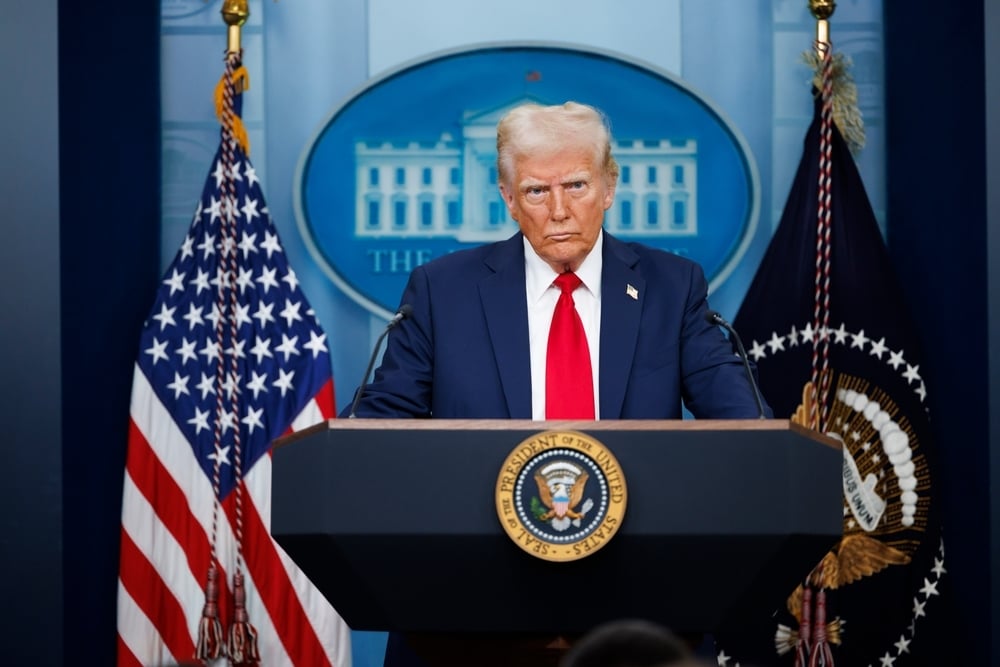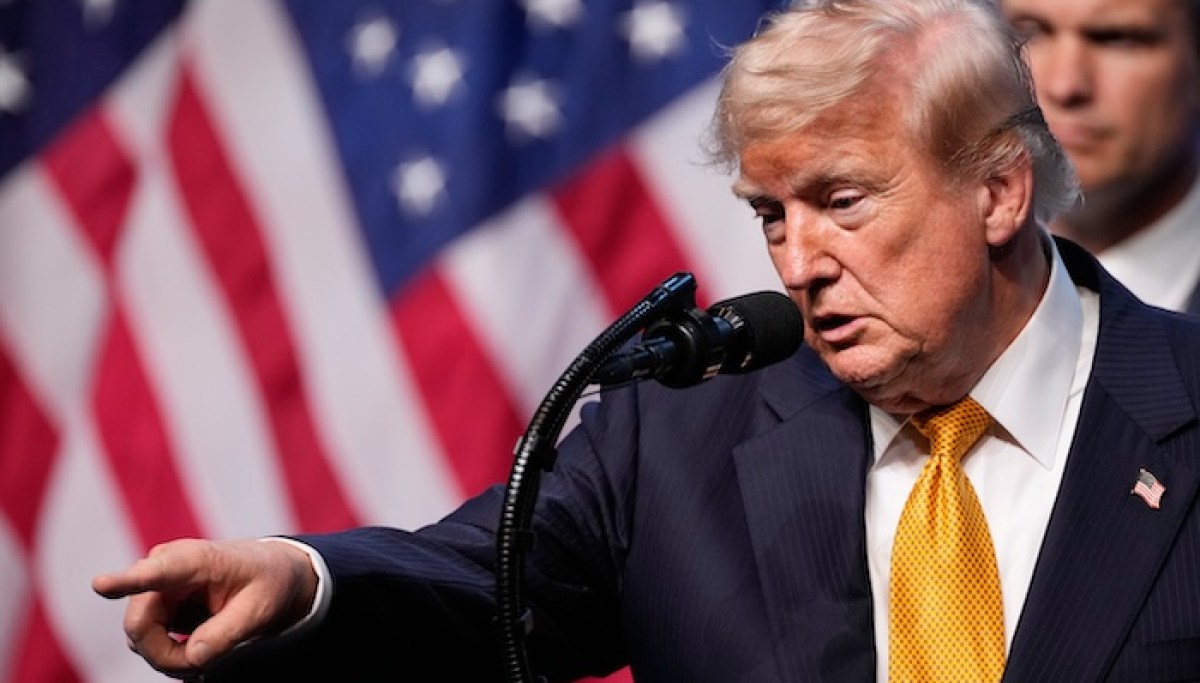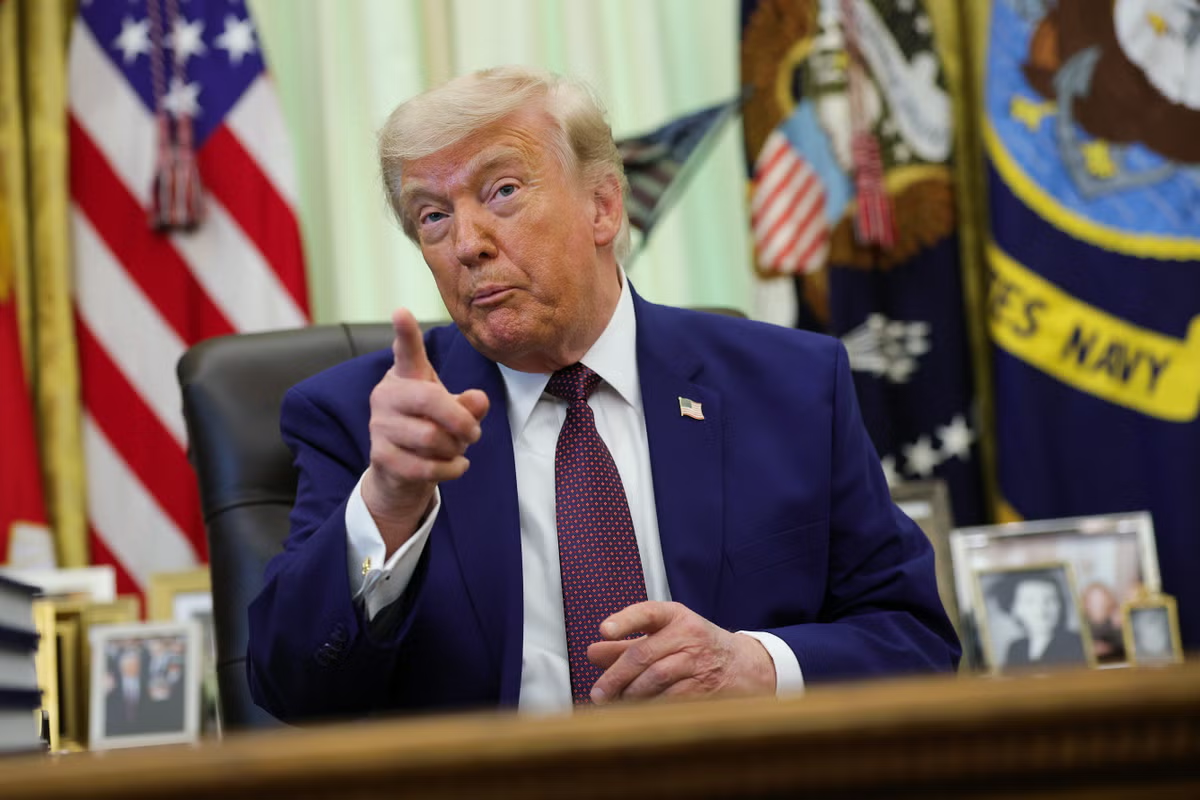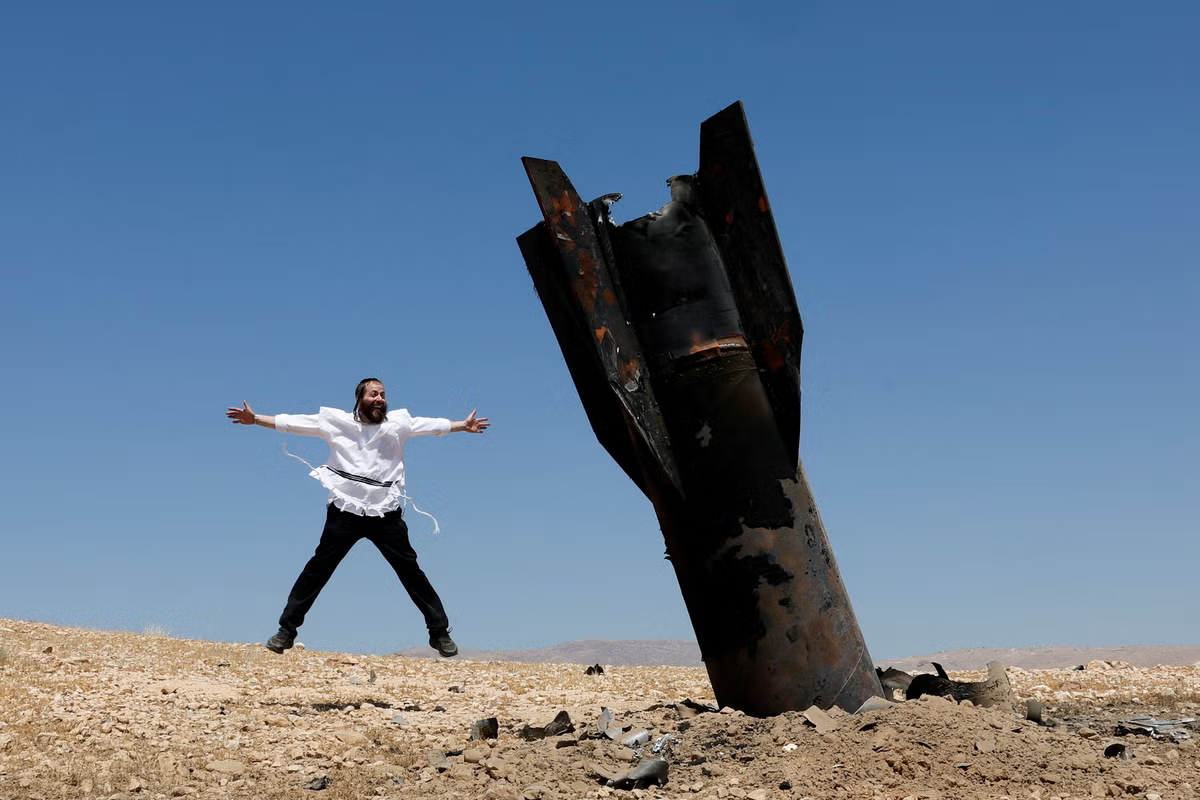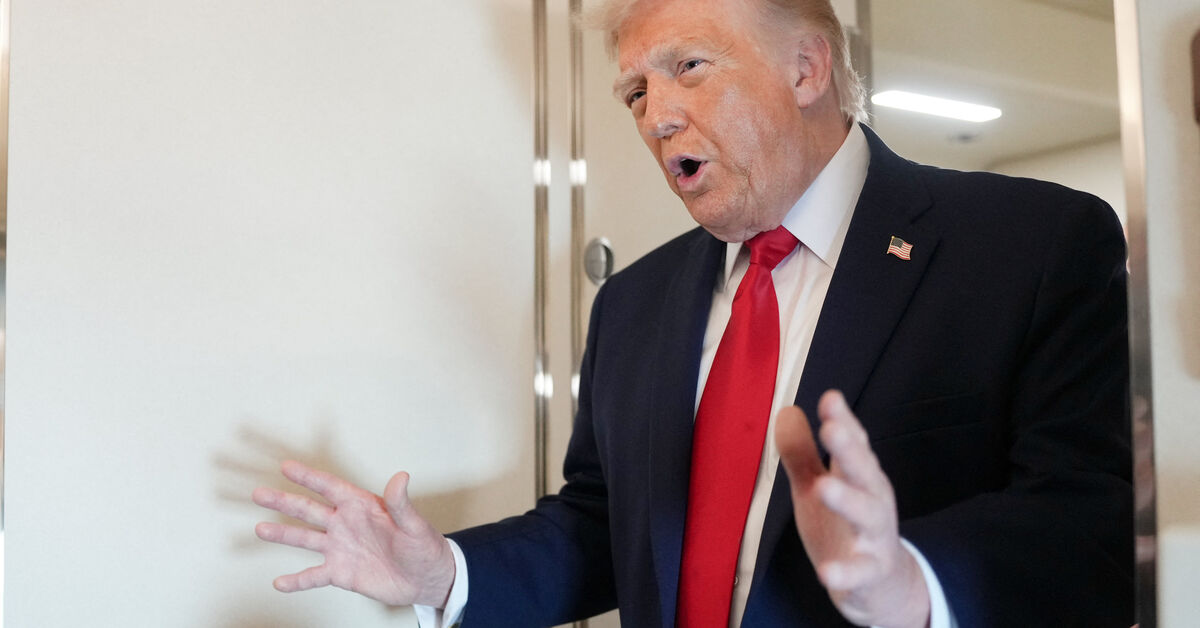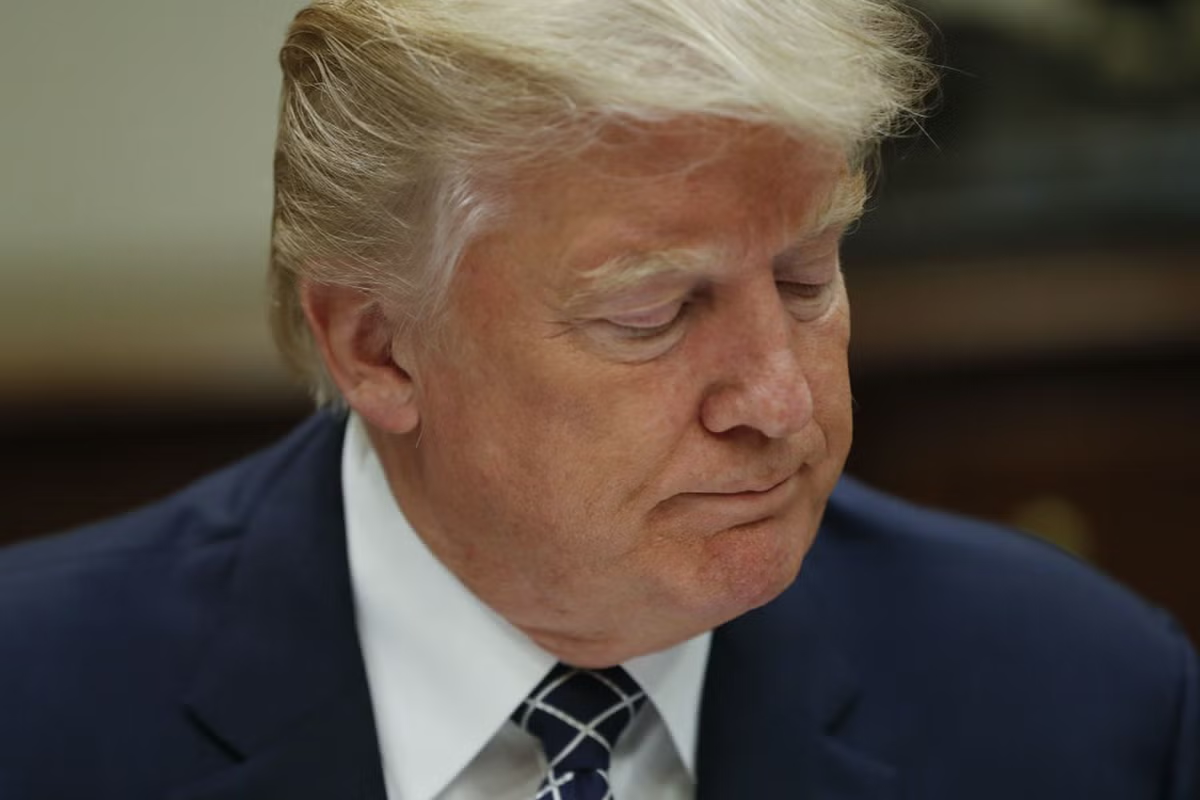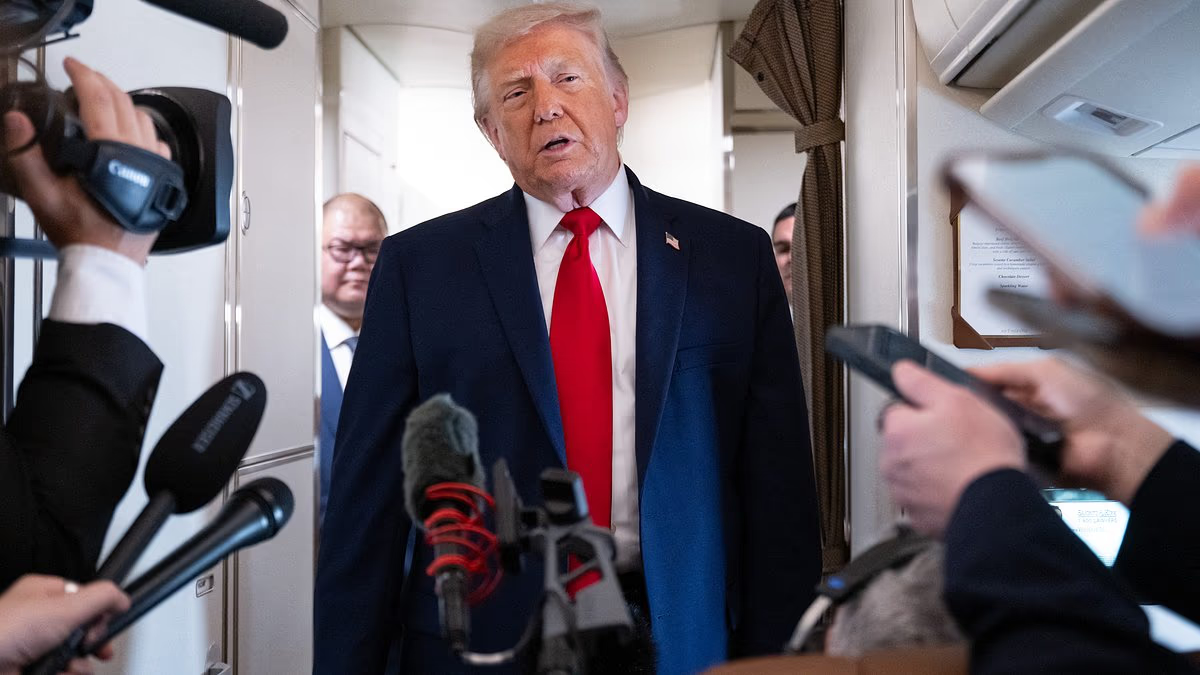
Another day, another ceasefire. Depending, of course, on what is meant by the word.Asked during a White House press conference last week how he would define a ceasefire with Iran, US President Donald Trump retorted, ‘I’d say, in that part of the world, “ceasefire” is when you’re shooting in a more moderate manner’.He might have added, ‘more moderate than yesterday’. After dramatic escalation over the weekend, Iran targeted Israel using missiles packed with cluster warheads, while the Israeli Defense Forces [IDF] pounded air defence systems in Tehran and other Iranian cities.And then, just as suddenly, hostilities were halted yesterday. Trump announced on his Truth Social site: ‘Both sides are looking to do an immediate CEASEFIRE! Final negotiations on “Peace” are proceeding, subject to ignorance or stupidity getting in the way.’Both Israel and Iran issued statements confirming this, with ferocious caveats. ‘If the aggression and wickedness continue, including in southern Lebanon, much more serious and crushing measures will be on the way,’ snarled Iran’s command at Khatam al-Anbiya headquarters.Israel retorted it was respecting Trump’s ceasefire request, but warned: ‘Southern Lebanon operations continue at full force.’In other words, the bombing and killing continues but, for the time being, with less intensity – and with the potential for both sides to ramp up their campaign on the slightest provocation.The blockade of the Strait of Hormuz also continues, with around 20,000 sailors on 1,600 ships stranded in the Gulf, unable to leave due to a standoff between the Islamic Revolutionary Guard Corps [IRGC] in control of the Strait and the US military which has a stranglehold on ports to the south. Trump announced on his Truth Social site: ‘Both sides are looking to do an immediate CEASEFIRE! Final negotiations on “Peace” are proceeding, subject to ignorance or stupidity getting in the way’Join the discussionIs Trump risking America's security and global stability with his unpredictable Middle East strategy?What's your view?And in Yemen, Houthi rebels have declared a total ban on Israeli shipping in the Red Sea, south of the Suez Canal.All this revives the spectre of a renewed Middle East war, with energy prices rocketing and the world economy surging back to the brink.To many observers, it might appear to be the new normal: a perpetual state of oscillation between Trump’s triumphal declarations of victory, threats of massive retaliation and boasts of successful peacemongering.The world has been braced for economic chaos since the initial blitz of US and Israeli missiles that wiped out Iran’s high command, including its leader Ali Khamenei, at the end of February.So far, that chaos has not engulfed us. Despite fuel shortages, spiralling prices and supply chain delays, the fallout has been less catastrophic than feared.B ut that cannot last. In the US, many farmers have been unable to plant their usual crops because the Gulf blockade has made fertiliser vastly expensive – a consequence of the global natural gas shortage that the White House almost certainly failed to foresee.Come the autumn harvest, this could trigger food shortages and a steep rise in the cost of living. Ordinary Americans are already appalled by the steep rise in petrol prices, from around $3 to $5 a gallon (That’s 50p a litre rising to 85p – half the price of petrol in the UK, but exorbitant in the US.) This is grim news for Trump, who faces mid-term elections in November. If he can’t rescue the economy, he is likely to lose Republican control of Congress and see out his second term as a lame-duck President.Worse still, if the US is still openly at war with Iran during the next four weeks, the potential for a terrorist attack targeting the World Cup or the 250th anniversary of American Independence on July 4 is high.That could potentially define his legacy by framing him as a ‘loser’ – the image he dreads the most.Desperate to avoid this, Trump will be weighing up two strategies, both with the potential for disaster.One is to switch targets and attempt to overthrow the socialist Cuban regime. Ronald Reagan did something similar when, following the death of 241 US troops in a suicide truck attack in Lebanon in 1983, he staged the invasion of Grenada in the Caribbean, ousting its Communist cabal and imposing democracy – an emphatic tactic to reassert America’s military supremacy.Buoyed by his recent success in removing President Maduro from Venezuela’s government, Trump could well see Cuba as easy pickings. But he thought Iran’s regime would topple too if he attacked hard enough, and that proved false.His second option is still more extreme: to declare a unilateral peace accord in the Middle East and leave Israel vulnerable to a concerted Iranian onslaught.This might seem unimaginable – but until recently, so did his threats to abandon Ukraine and even to walk away from Nato.In a heated phone call last week, Trump cursed and swore at Israeli PM Benjamin Netanyahu for defying him. For now, Israel has fallen back into line. If the IDF breaks the current Lebanese ceasefire – provoked by Iran and Hezbollah – there’s no knowing how extreme Trump’s reaction will be.Mark Almond is director of the Crisis Research Institute in Oxford
Trump will weigh up two options - and either could end in disaster
Another day, another ceasefire. Depending, of course, on what is meant by the word.
856 words~4 min read