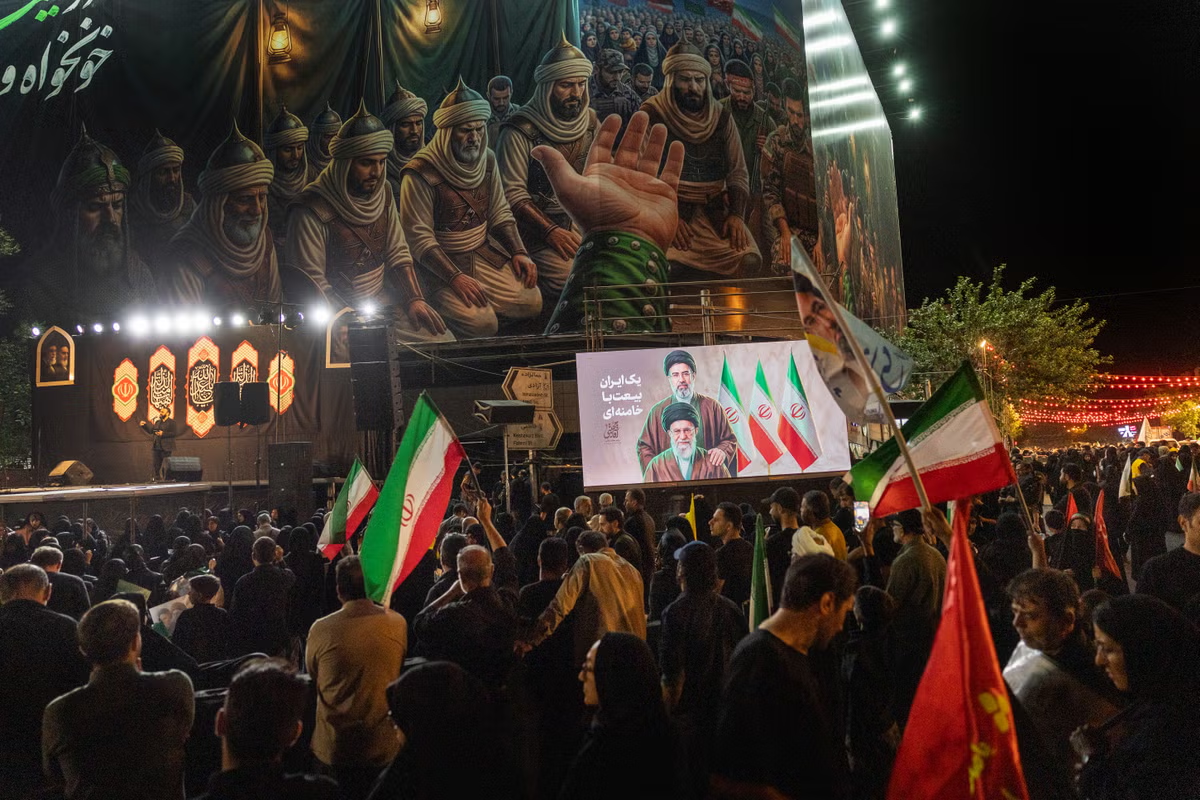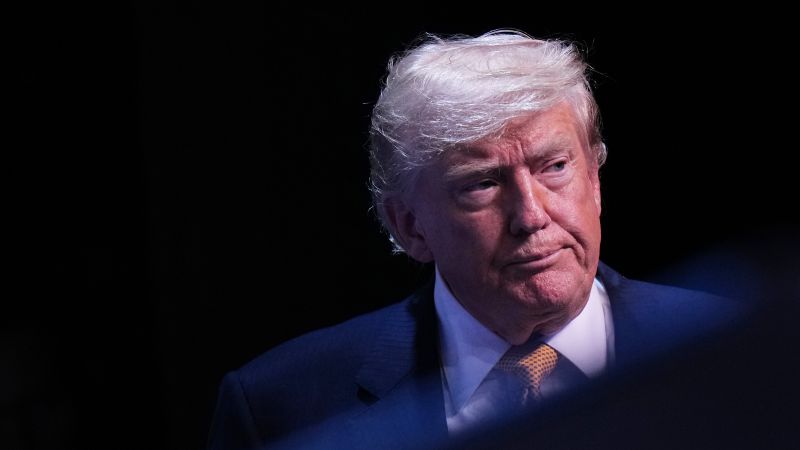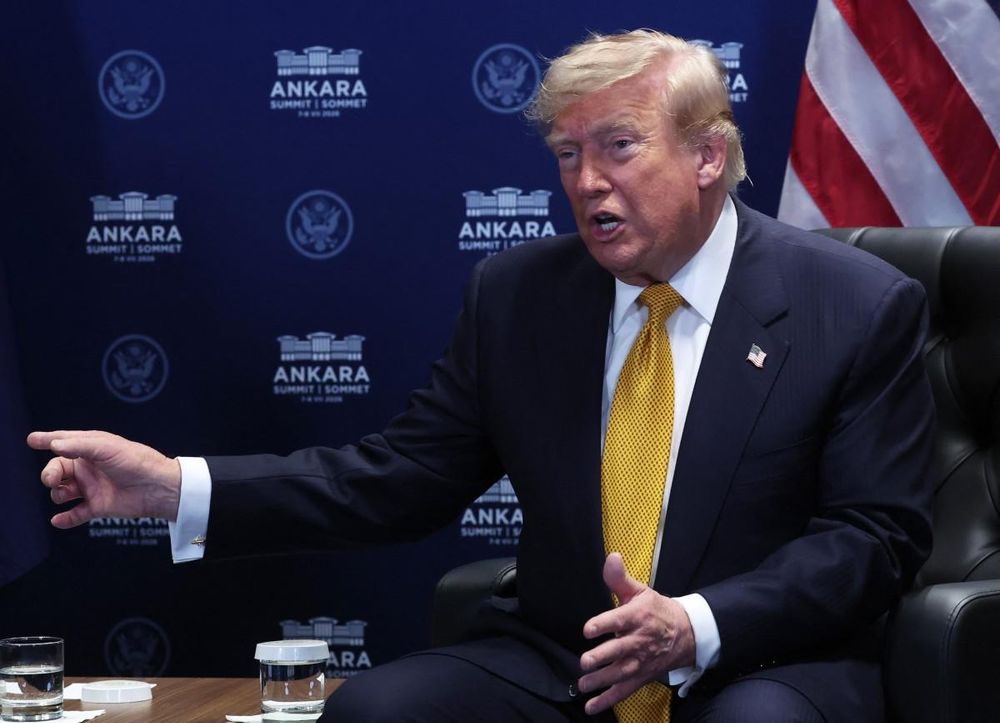
Last week, President Donald Trump declared that the “ceasefire” with Iran was “OVER,” as US forces carried out consecutive nights of strikes against Iran.
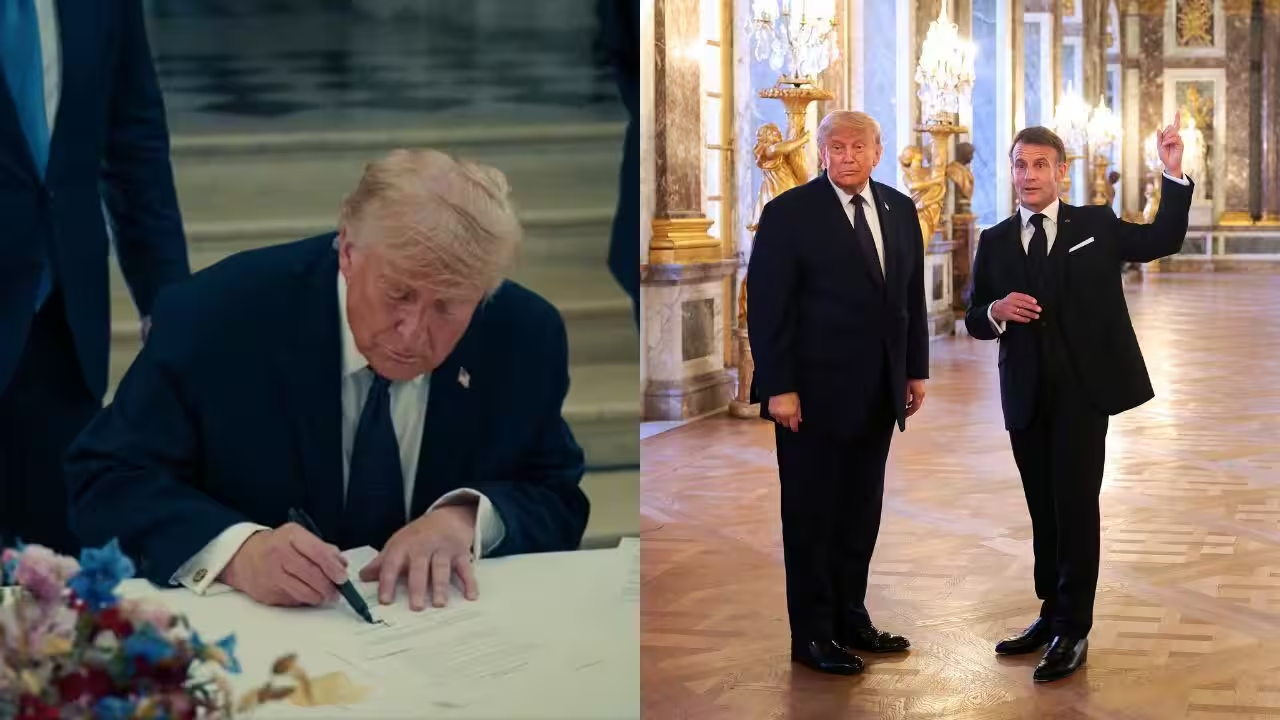
Trump had originally announced the ceasefire in early April, just hours after threatening that “a whole civilization will die tonight, never to be brought back again.” After announcing it would last for two weeks, he went on to extend it. But in the weeks that followed, and even after the US and Iran signed a “memorandum of understanding” that kicked off a 60-day period of negotiations to end the war, the firing did not cease. As the US and Iran continued to exchange back-and-forth attacks, Trump insisted the ceasefire remained in effect — until he decided last week that whatever thread was holding the ceasefire together had finally snapped.
This much is clear: A “ceasefire,” at least lately, doesn’t necessarily constitute a ceasing of fire. Fighting between Israel and Iran’s ally Hezbollah continued in Lebanon despite US-brokered ceasefires between the Israeli and Lebanese governments, with the Norwegian Refugee Council reporting that nearly 600 people were killed in Lebanon in the weeks following the April ceasefire. And since Trump’s Gaza ceasefire plan, endorsed by the United Nations Security Council, went into effect in October, Israel has continued to attack the territory almost daily, saying it is targeting Hamas: A tally by the Government Media Office in Gaza indicates that Israel has violated the ceasefire at least 3,689 times.