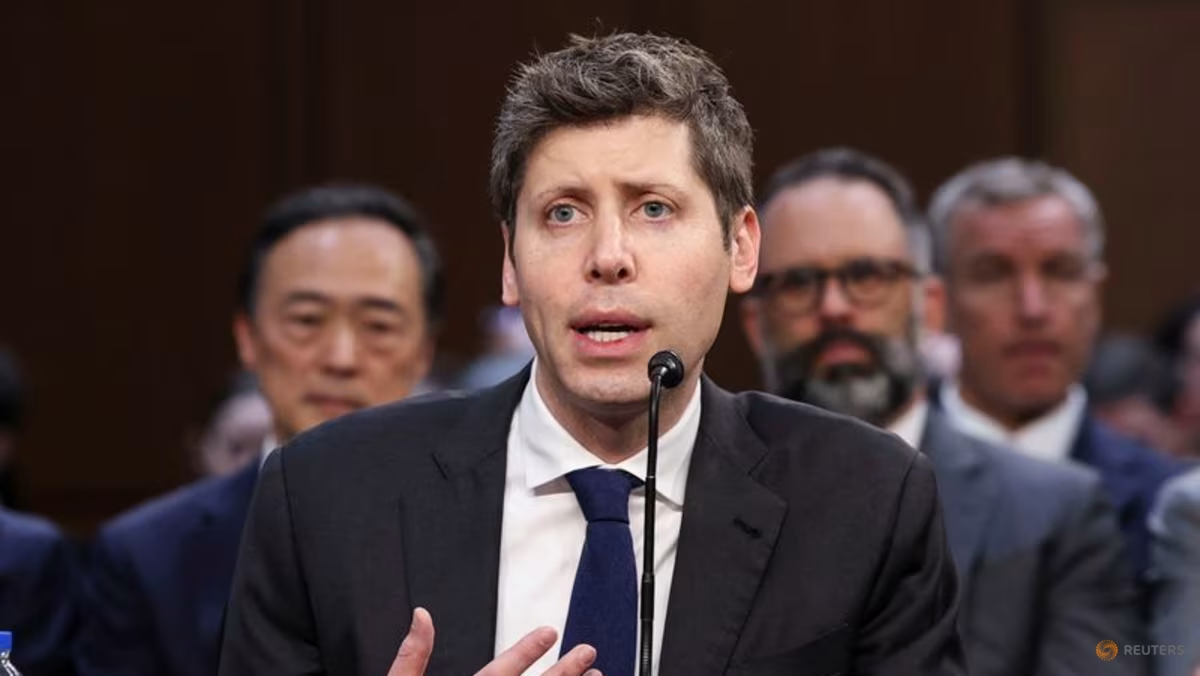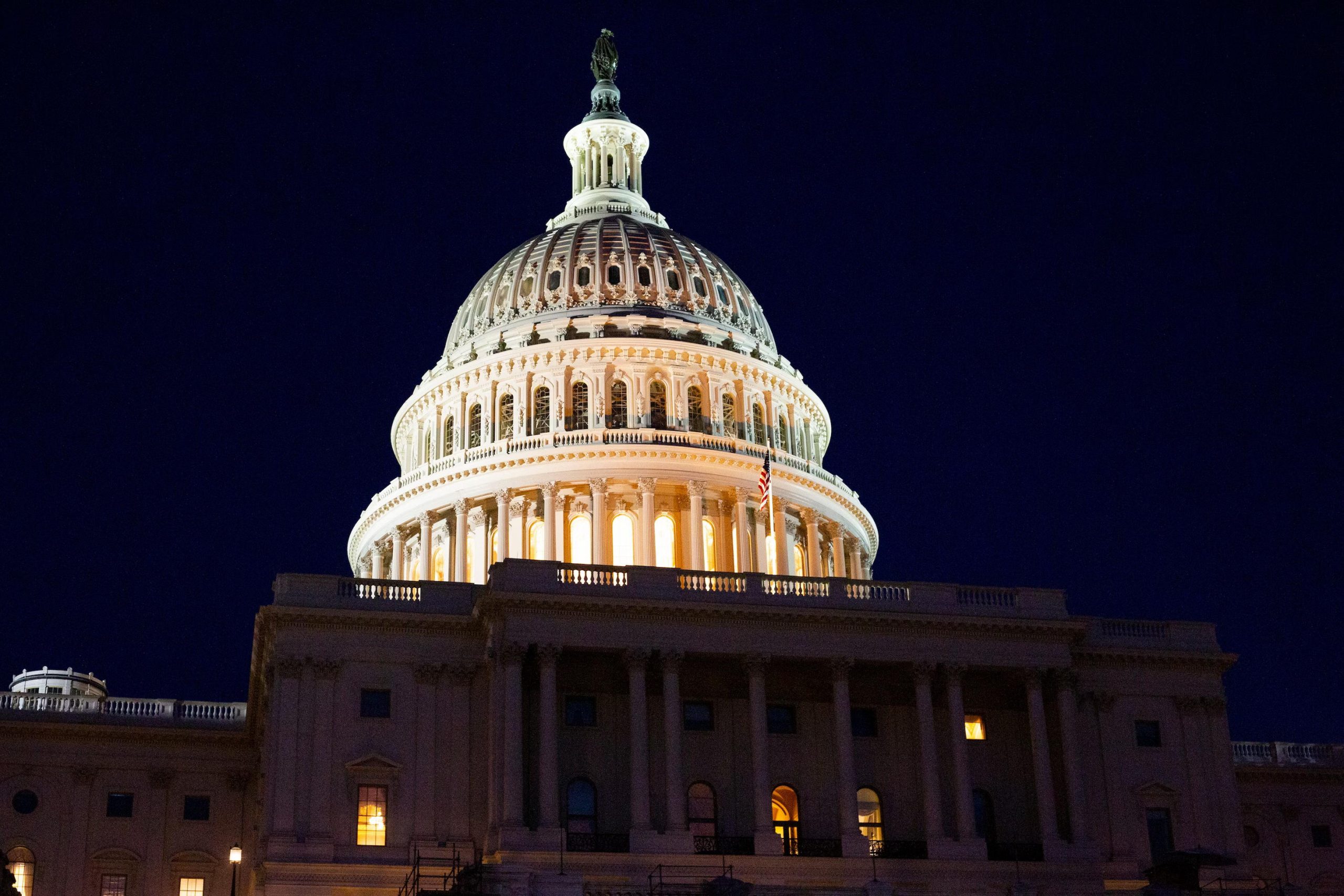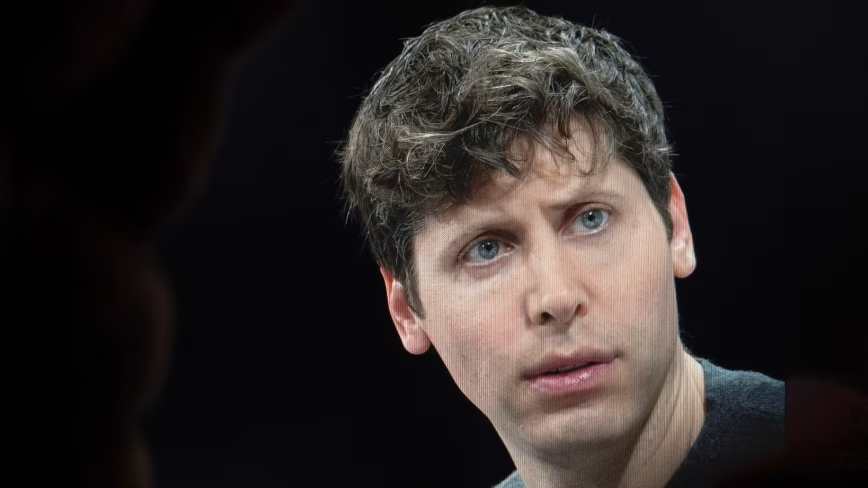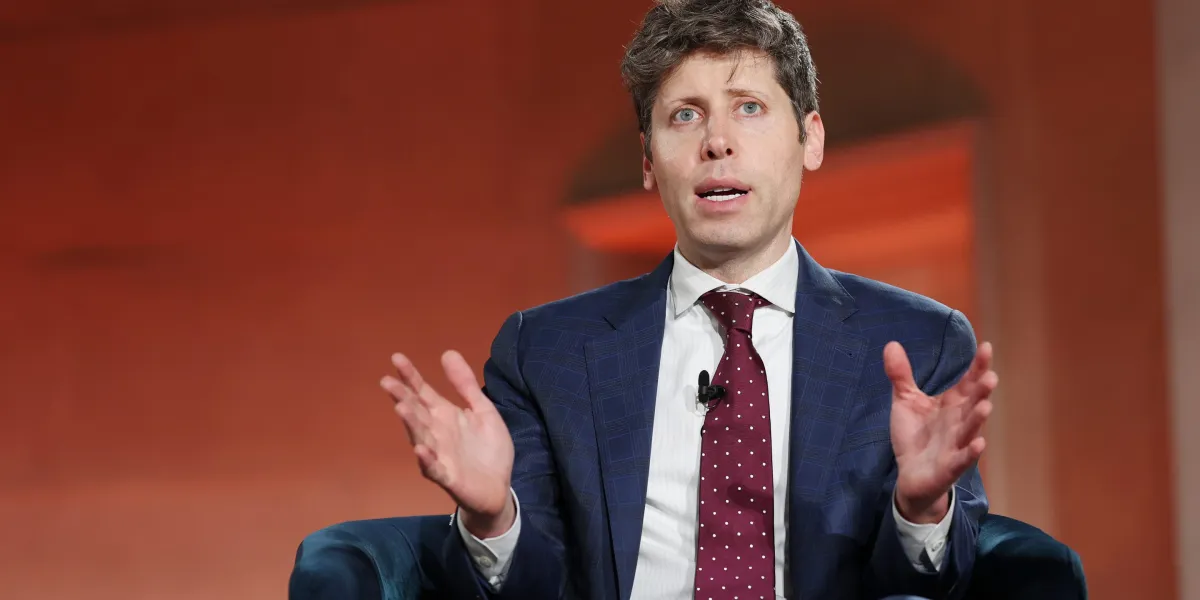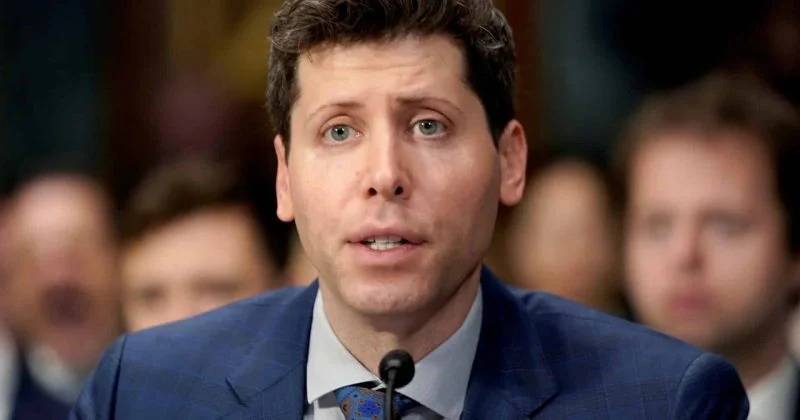
Sam Altman made the rounds on Capitol Hill on June 3, meeting with bipartisan congressional leaders and White House officials to push a vision of AI regulation that sounds reasonable on the surface: mandatory risk evaluations for the most powerful AI models, but without the kind of heavy-handed pre-approval processes that could slow development to a crawl.
The policy playbook
OpenAI released a policy paper ahead of Altman’s visit that lays out the company’s preferred regulatory approach. The core argument: federal requirements for risk evaluations should exist, but they should focus on outcomes rather than permissions. In English, that means the government should check whether AI models are dangerous after they’re built, not require companies to get a hall pass before building them.
The distinction matters more than it might seem. A pre-approval regime, the kind some lawmakers have floated, would effectively give federal regulators veto power over new AI development. OpenAI’s alternative keeps the testing requirement but removes the bottleneck. The company supports increased funding for testing infrastructure while drawing a firm line against mandatory government sign-off before models can be released.