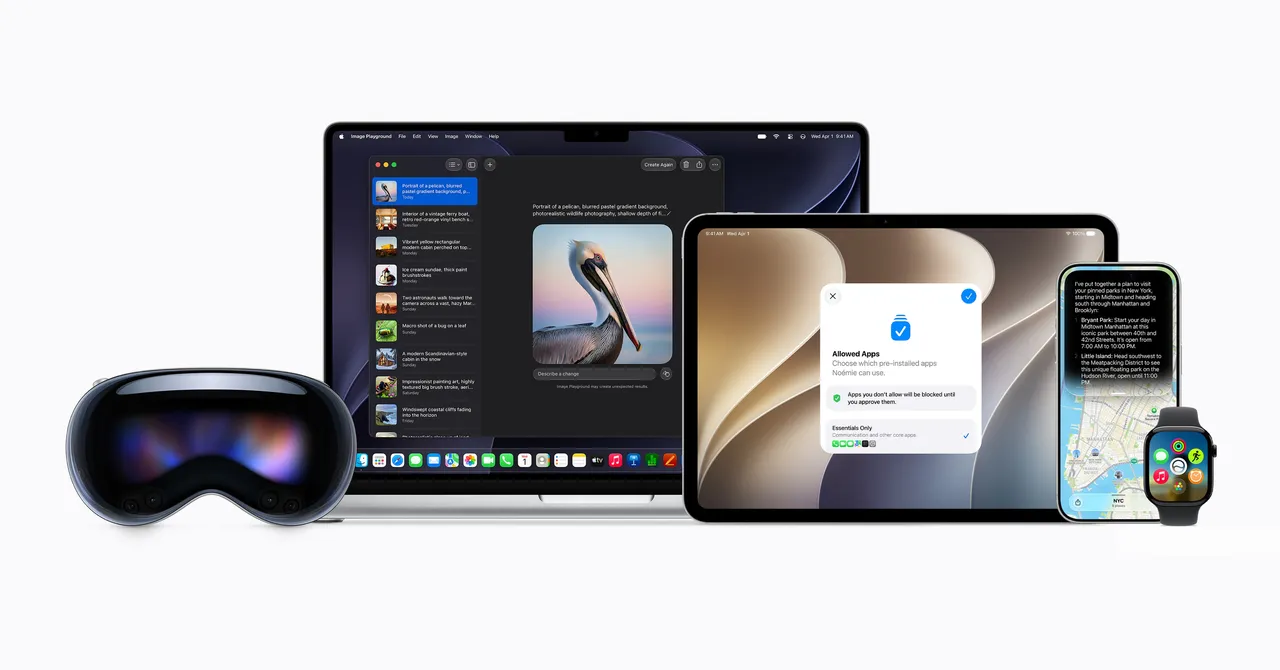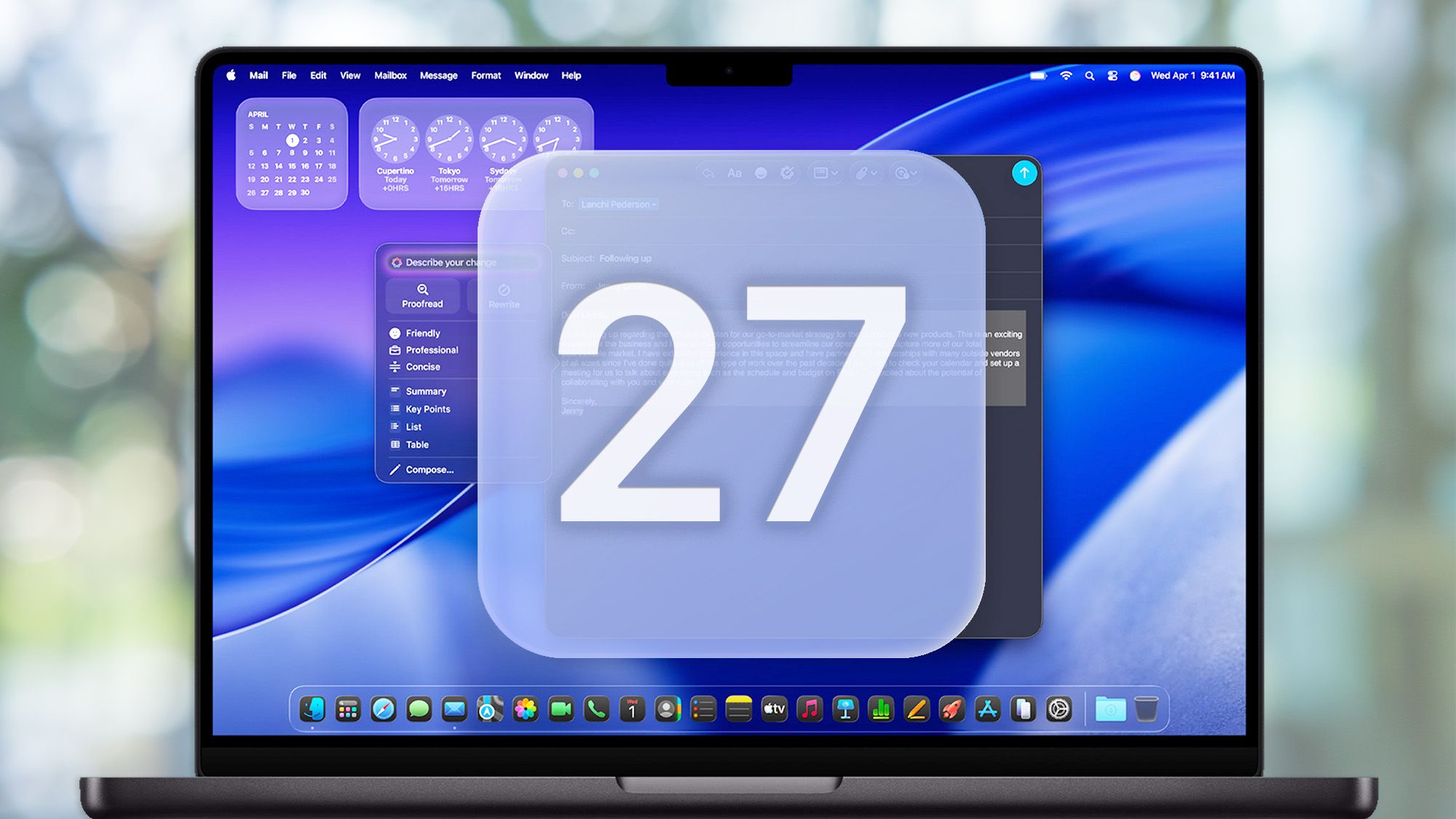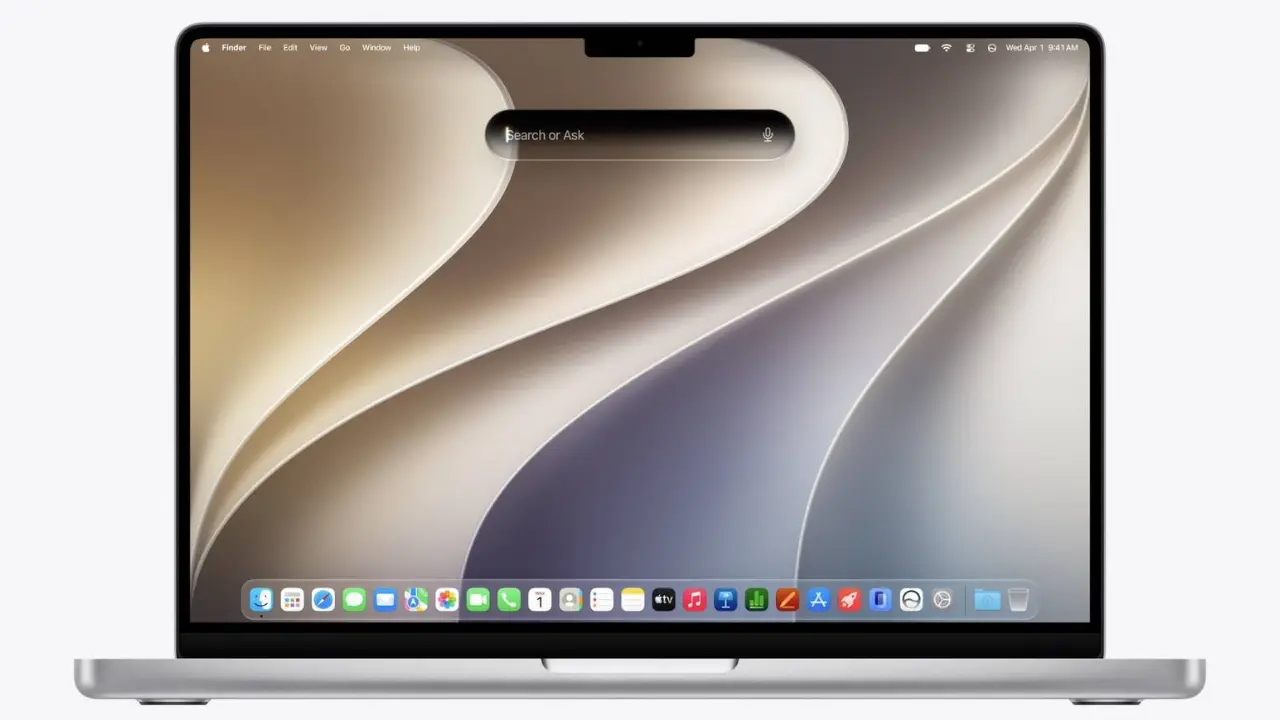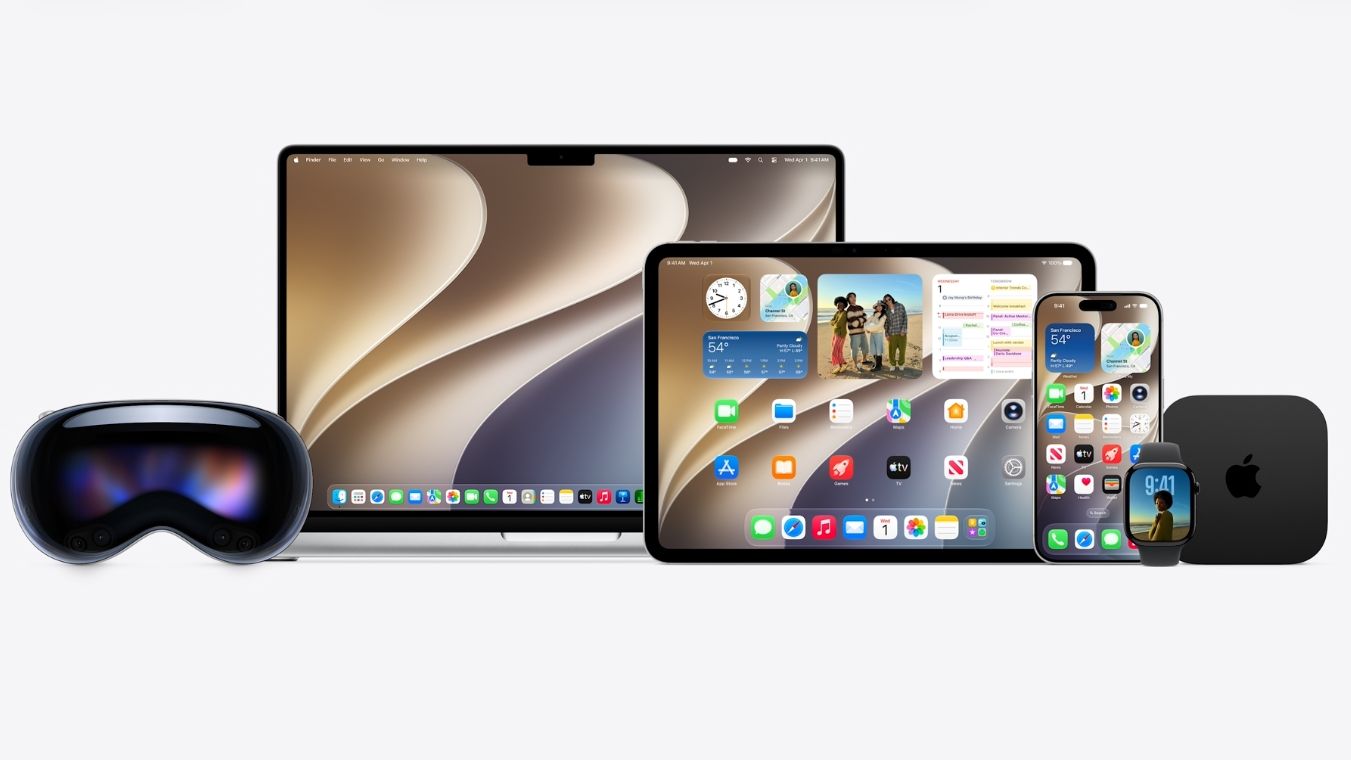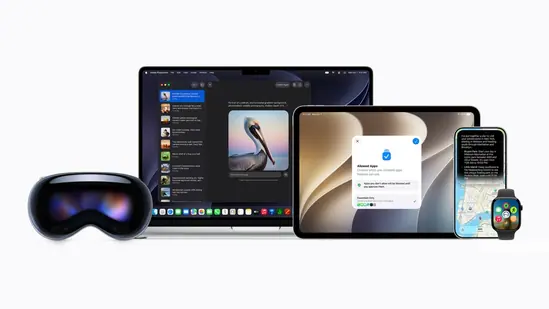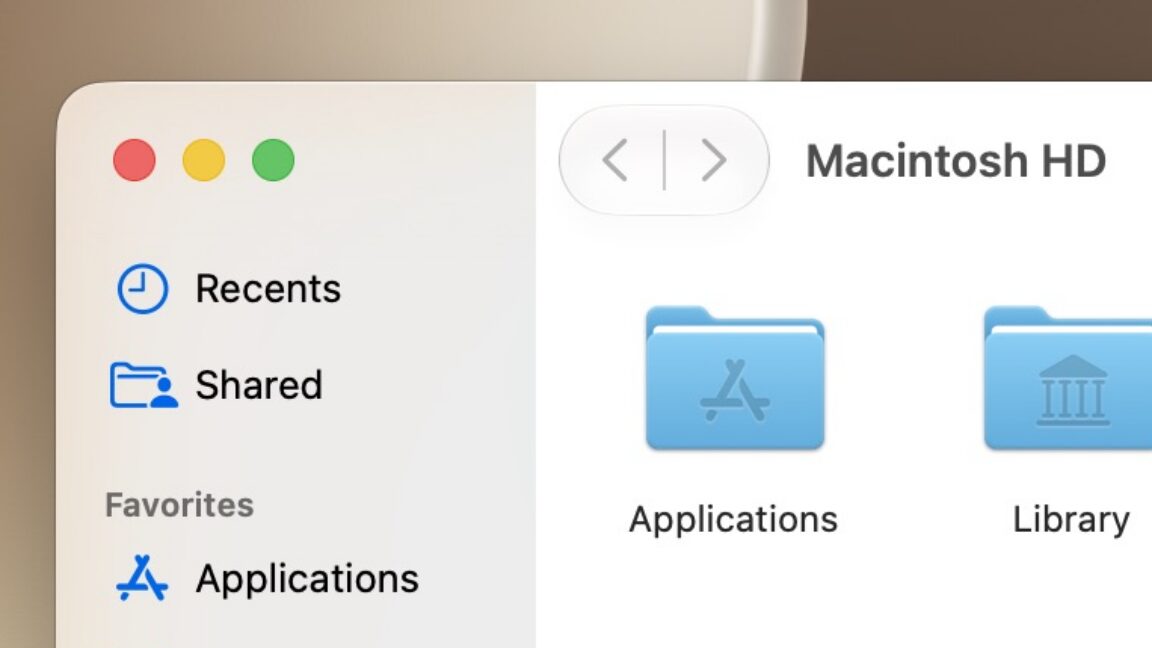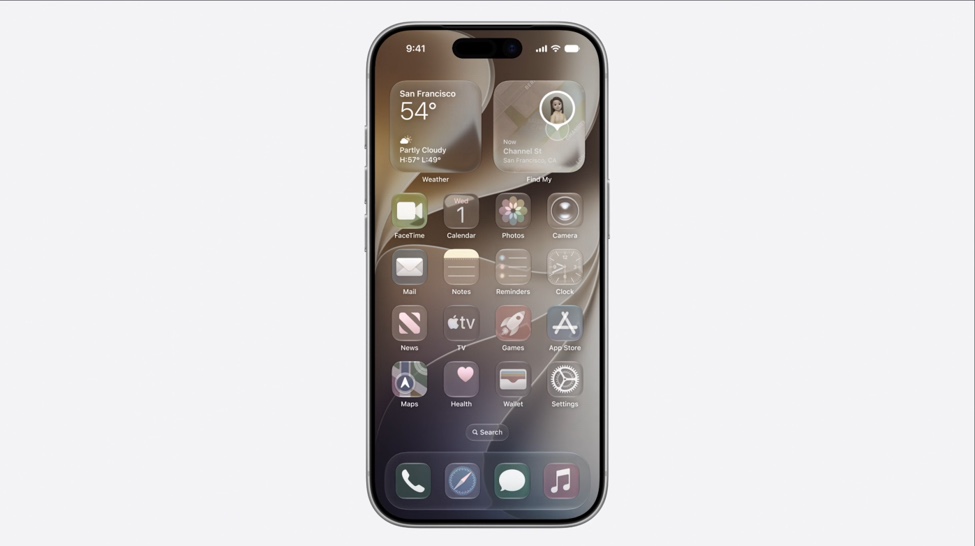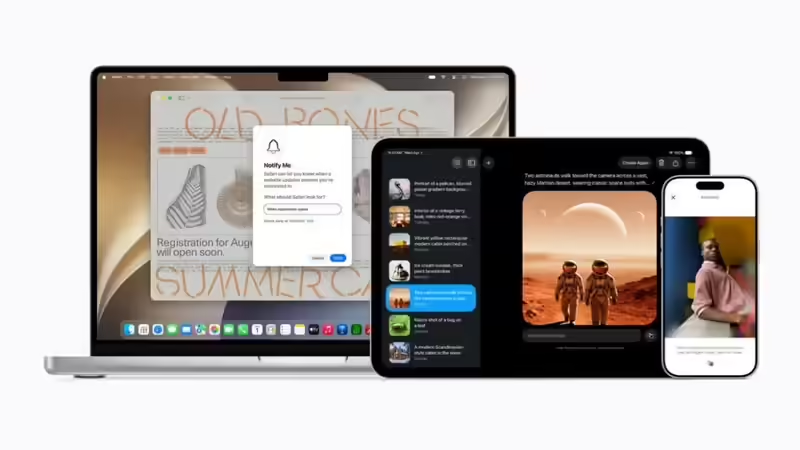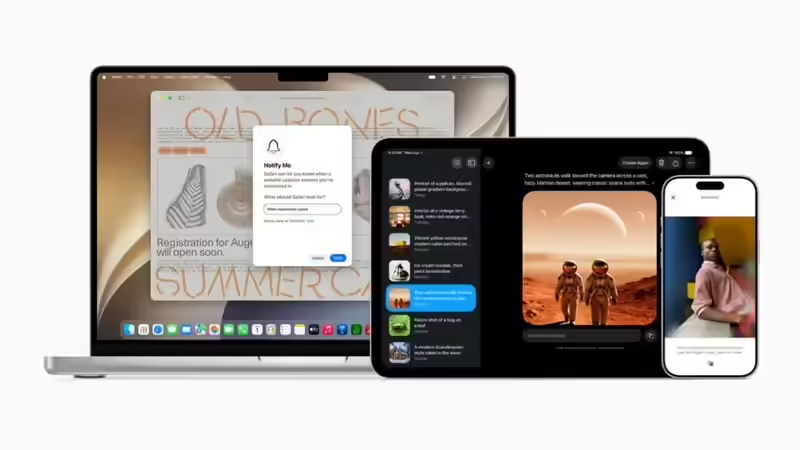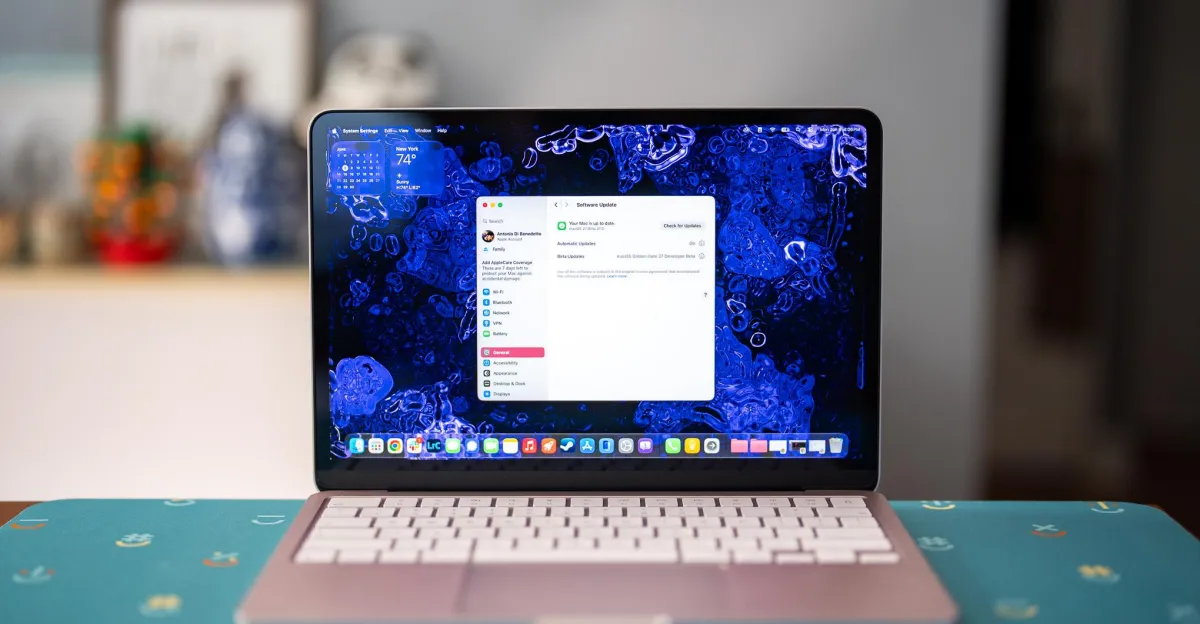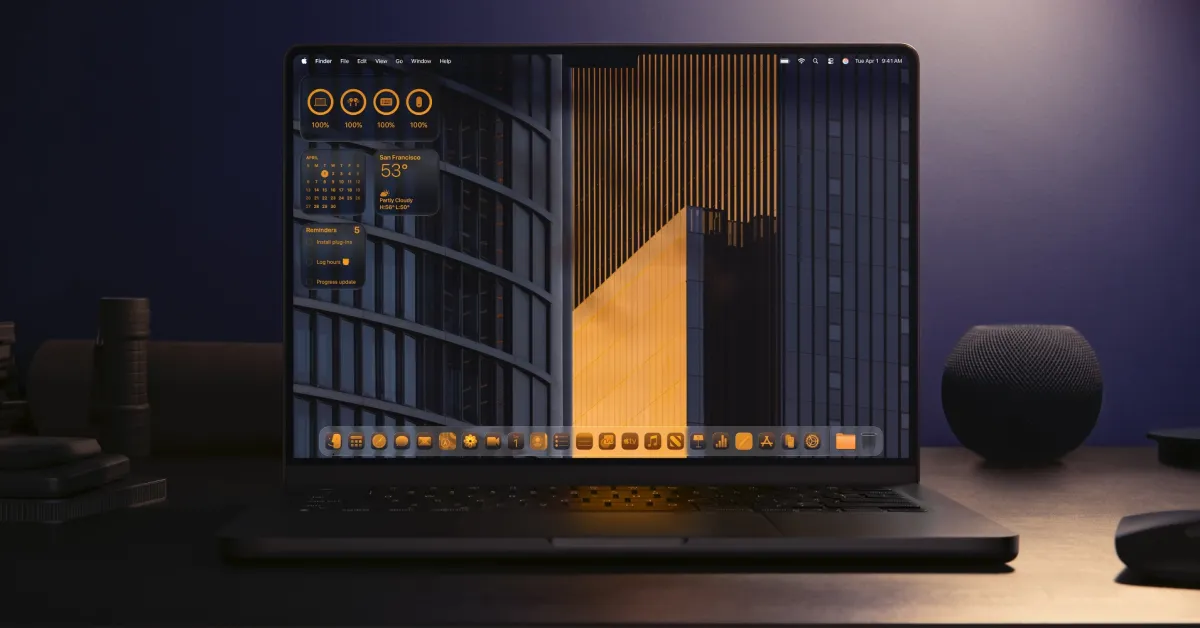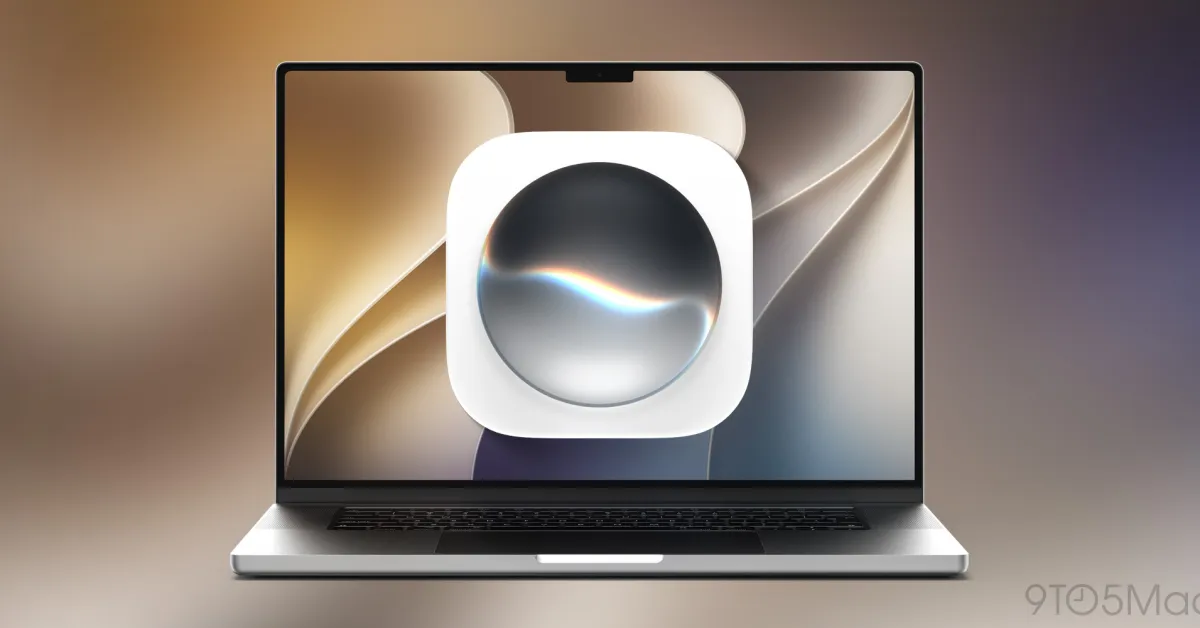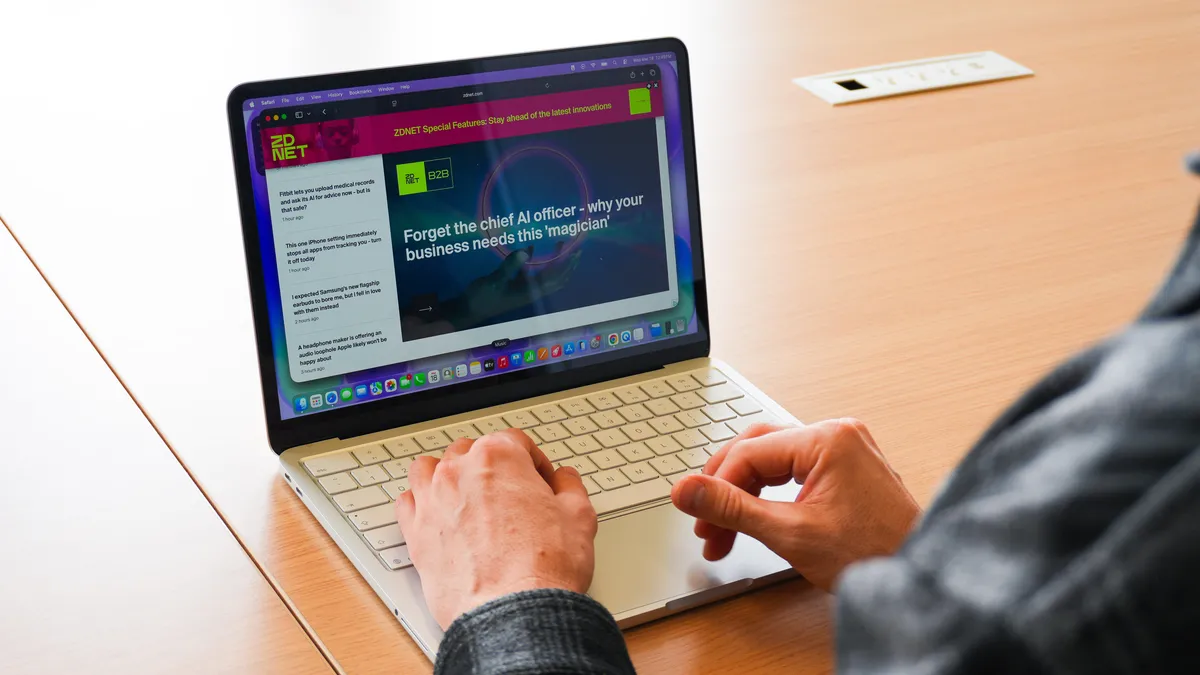
Kerry Wan/ZDNETFollow ZDNET: Add us as a preferred source on Google.ZDNET's key takeawaysMacOS 27 "Golden Gate" has very few new features, focusing on design optimizations and Siri AI. Siri comes to MacOS 27 more conversational, with onscreen awareness and powered by Gemini. MacOS 27 is also the end of the road for Intel-based Macs, requiring an Apple M1 processor or newer to run. Today at Apple's Worldwide Developers' Conference, Apple announced a slim set of new features for MacOS 27, launching later this fall. This so-called "Snow Leopard" update (focused on performance improvements -- not new features) optimizes features released in MacOS Tahoe, particularly the Liquid Glass UI. That said, there are some new features, the biggest being a complete rework of Siri to include agentic AI capabilities and on-screen awareness, allowing Mac users to ask questions about what's on their screen or invoke Siri to perform actions on their behalf, like responding to emails or texts.Also: Apple WWDC 2026: Live updates on iOS 27, Siri, and Tim Cook's last event as CEOMacOS 27 also marks the end of support for Intel-based MacBooks, as it will require an Apple M1 chip or newer in order to run. The last Intel Macs were released back in 2020 (the 13-inch MacBook Pro, and 16-inch MacBook Pro in 2019) so these will be relegated to MacOS 26 Tahoe going forward. Meet: Siri AI Siri has been in need of a makeover for some time, and it gains significant improvements in Golden Gate with agentic capabilities and contextual awareness of what's on your Mac. You can now invoke Siri via Spotlight, and type queries in natural language. The redesigned "Siri AI" opens in a new interactive window that can be expanded on. Also: The new Siri AI could cost you - here's whyYou can also select individual files, invoke Spotlight, and ask Siri to summarize information or pull out key figures without individually opening each one. Additionally, you can ask for details on data across your devices. For example, you can ask Siri to find information from a specific person either in Messages or Mail. This cross-device functionality aligns with Apple's ongoing focus on a complete ecosystem, as the Siri app is available across Apple products and maintains a conversational history that's synced privately in iCloud. Liquid Glass redesign AppleApple introduced its new Liquid Glass design language last year, aiming to add dimensionality to the UI with its slick, translucent menus. Not everyone was a fan, though, and Apple says it considered user feedback to incorporate more uniform design changes and customization. For starters, window transparency can now be toggled from completely clear to fully opaque. The UI will also be more uniform, with window edges of the same size and angle. A smarter Safari AppleApple Intelligence enables some quality of life improvements to the Safari browser, chief among them being tab organization. The AI will attempt to nest tabs from similar sites into "topics," rather than having each site on its own tab. It's essentially the same thing as groups in Google Chrome, but you know, Apple's version. The AI comes in handy with "Describe an extension" -- a feature in Safari that allows users to describe what kind of extension they want in natural language, which the AI will then attempt to develop. For example, the demo showed an extension that saves recipes from websites with a personalized interface. Also: I quit Safari for Chrome, but these new MacOS 27 features could pull me backThe "Notify me" feature in Safari also lets it monitor a website on your behalf and ping you when something becomes available (waiting for ticket sales to open, for example). All of this is invoked in natural language and powered by Google's Gemini foundational AI models, making Siri a whole lot more useful, and more importantly, up to par with competing AI models.
The 3 new MacOS 27 features I'm looking forward to most - starting with Siri AI
Apple's upcoming MacOS 27 Golden Gate is light on new features, focusing instead on a reworked Siri.
645 words~3 min read