(Image credit: Apple)
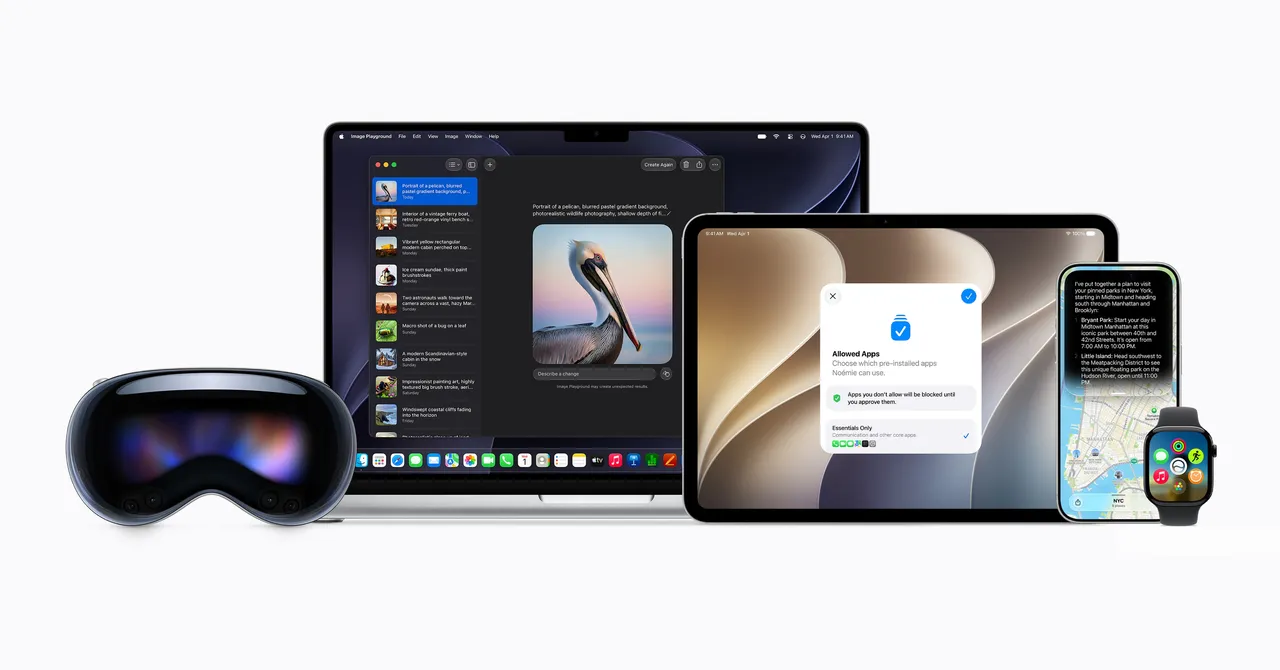
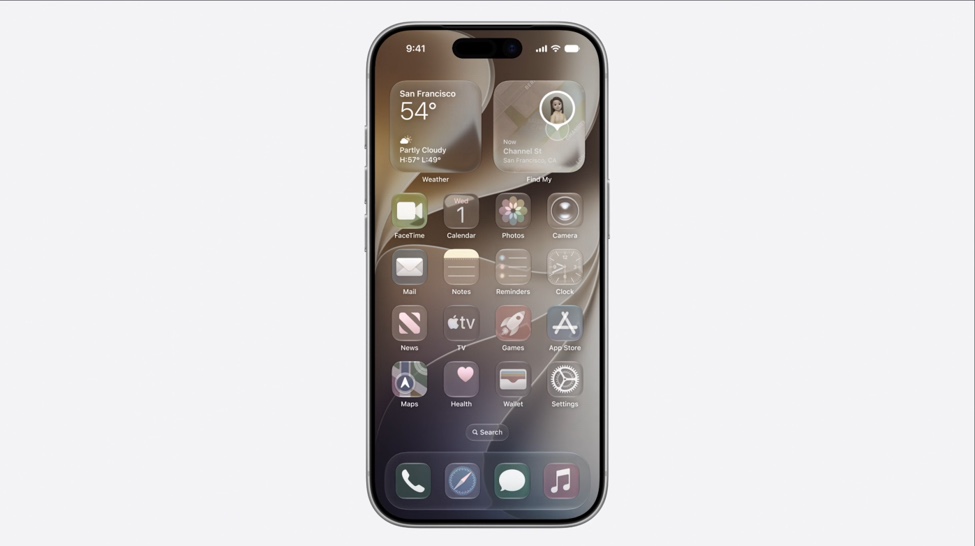
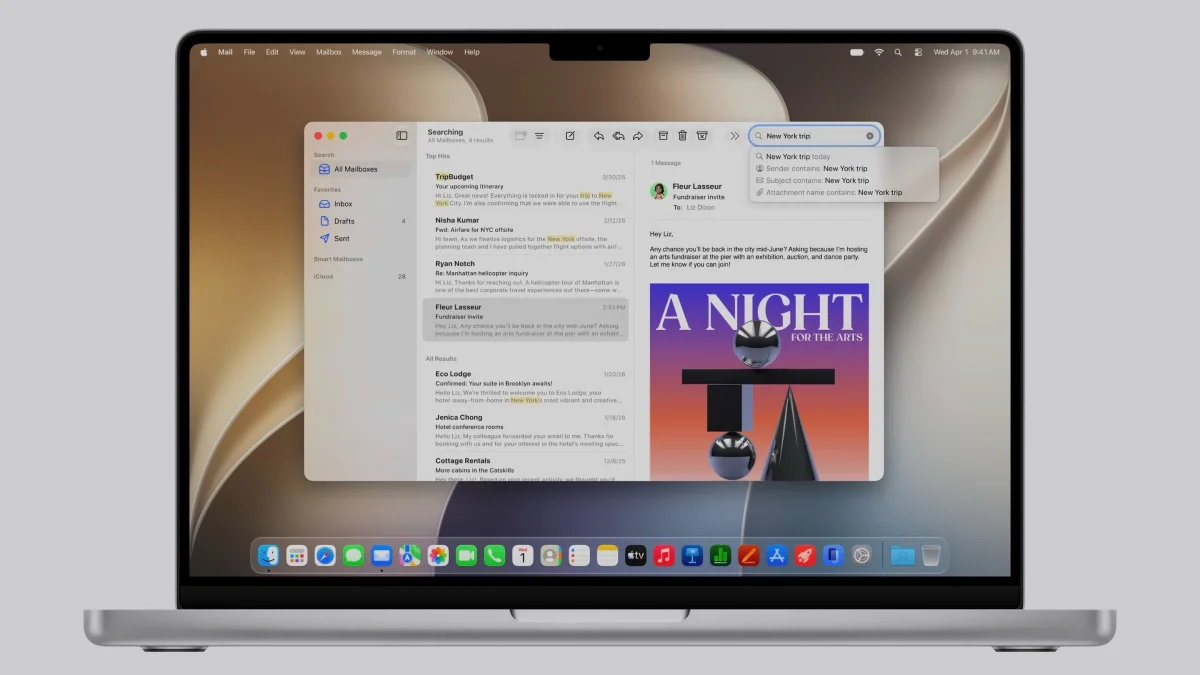
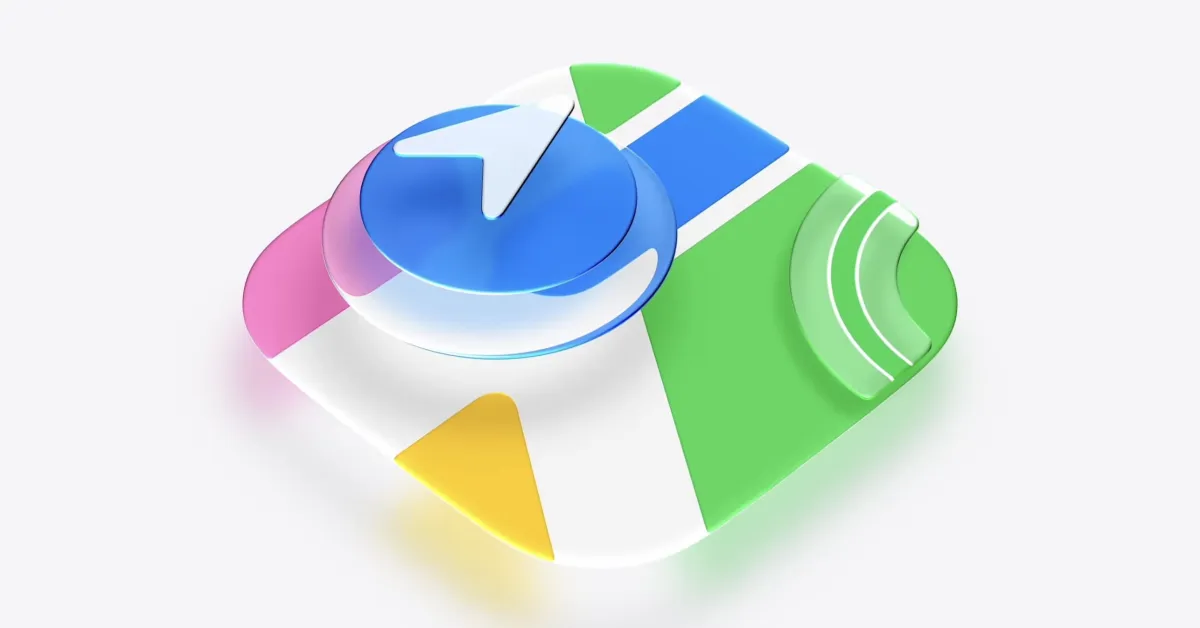
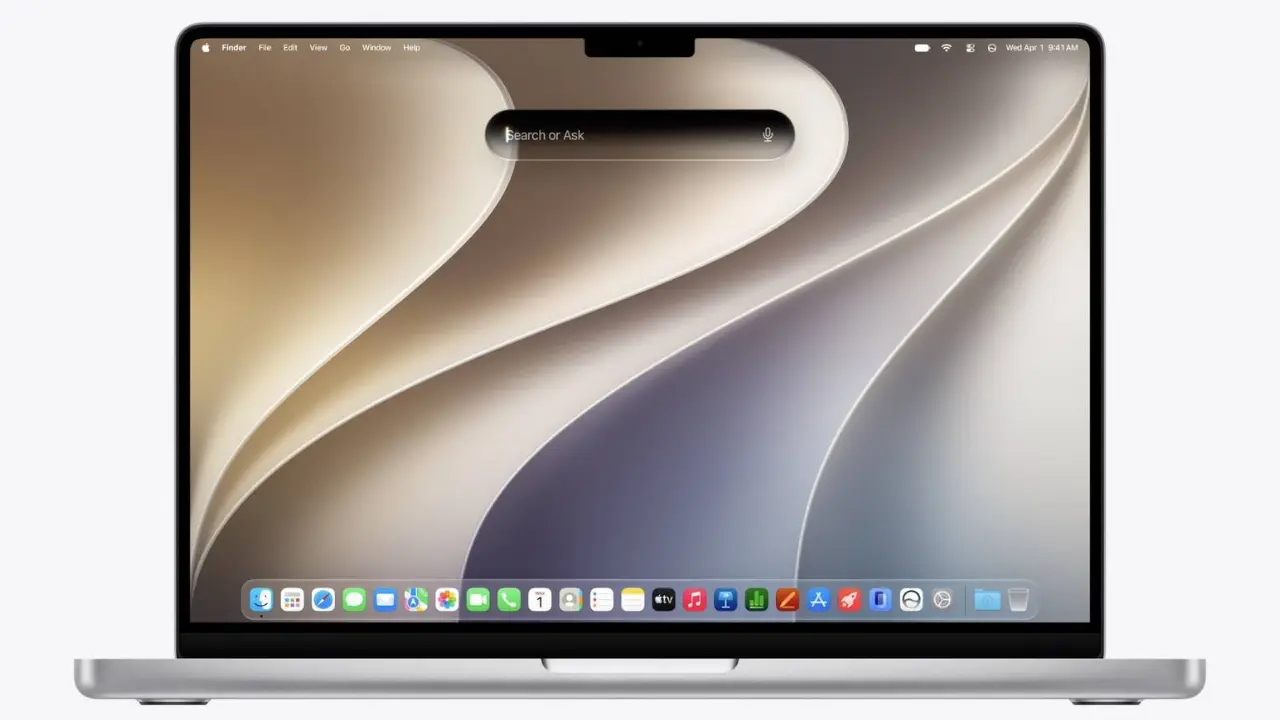
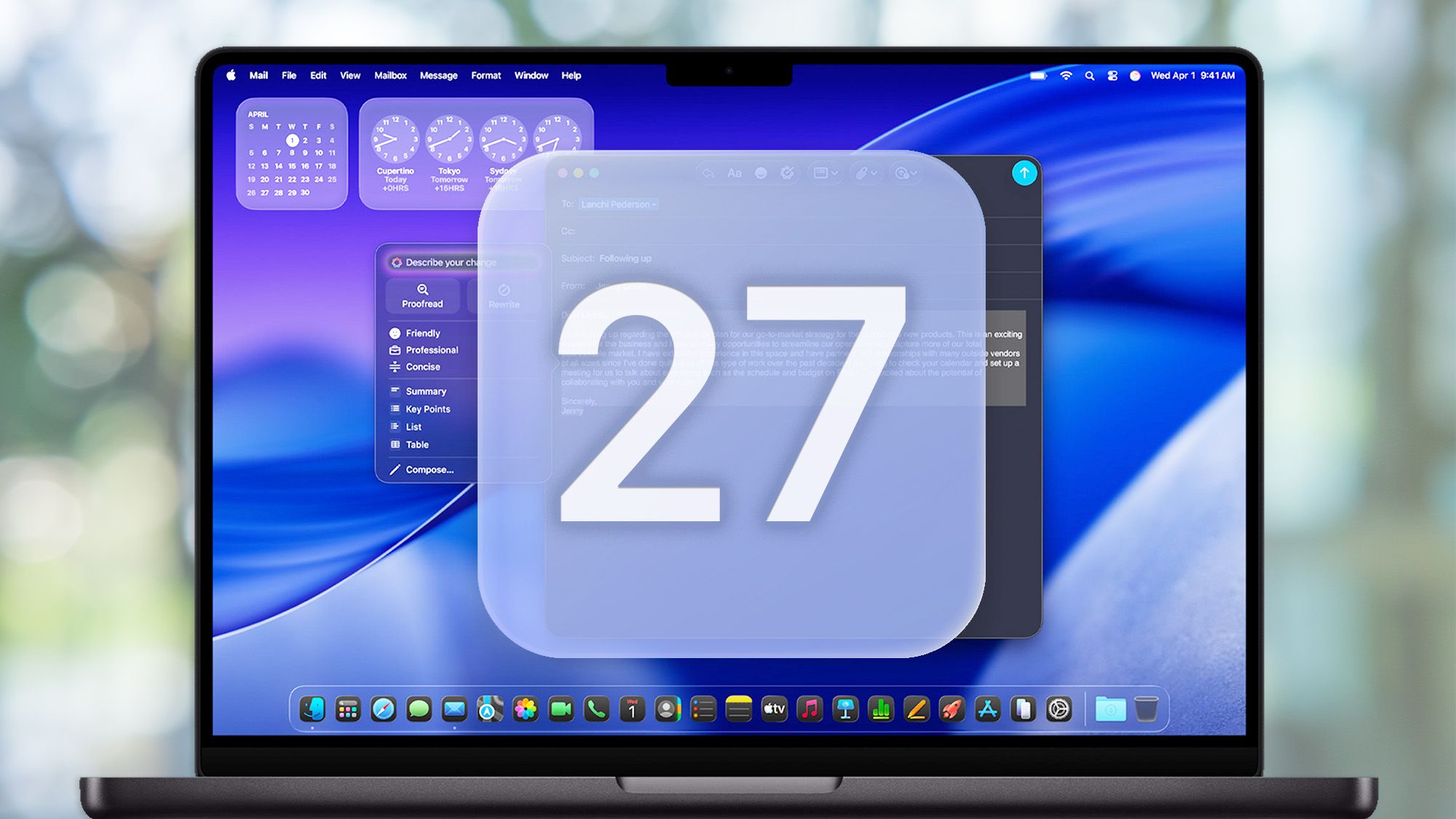
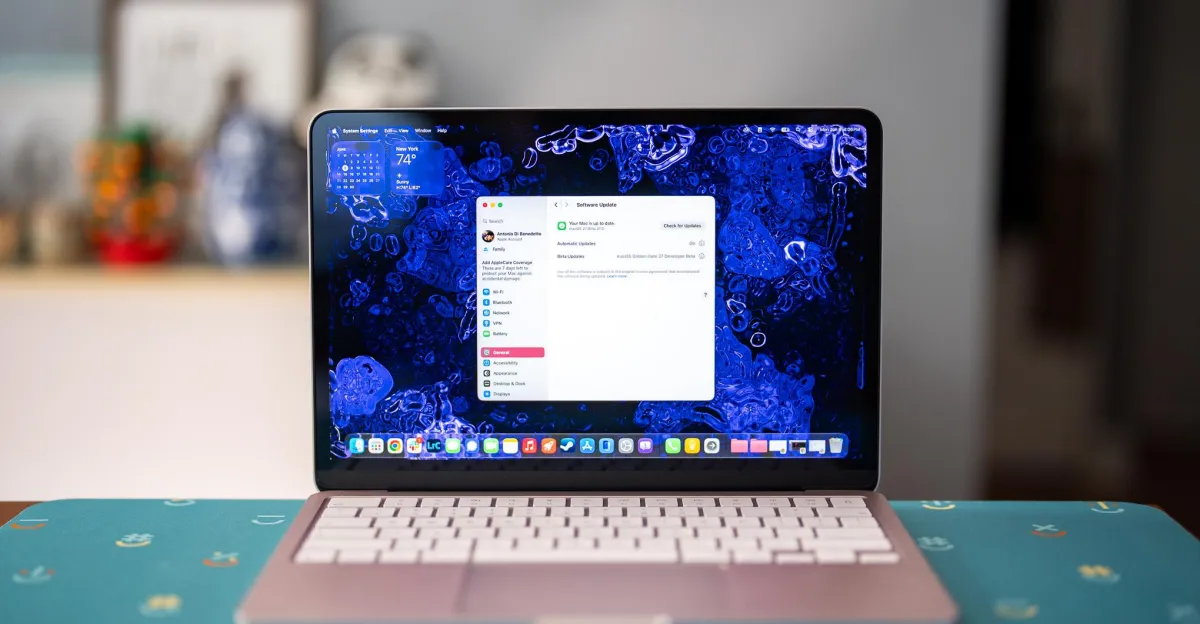
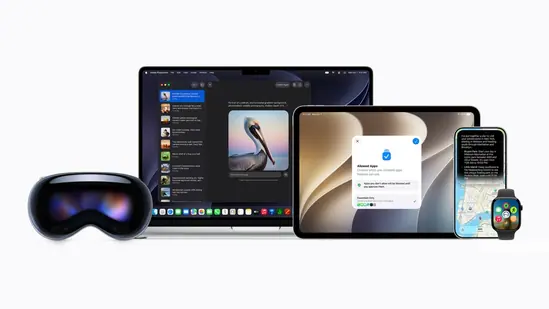
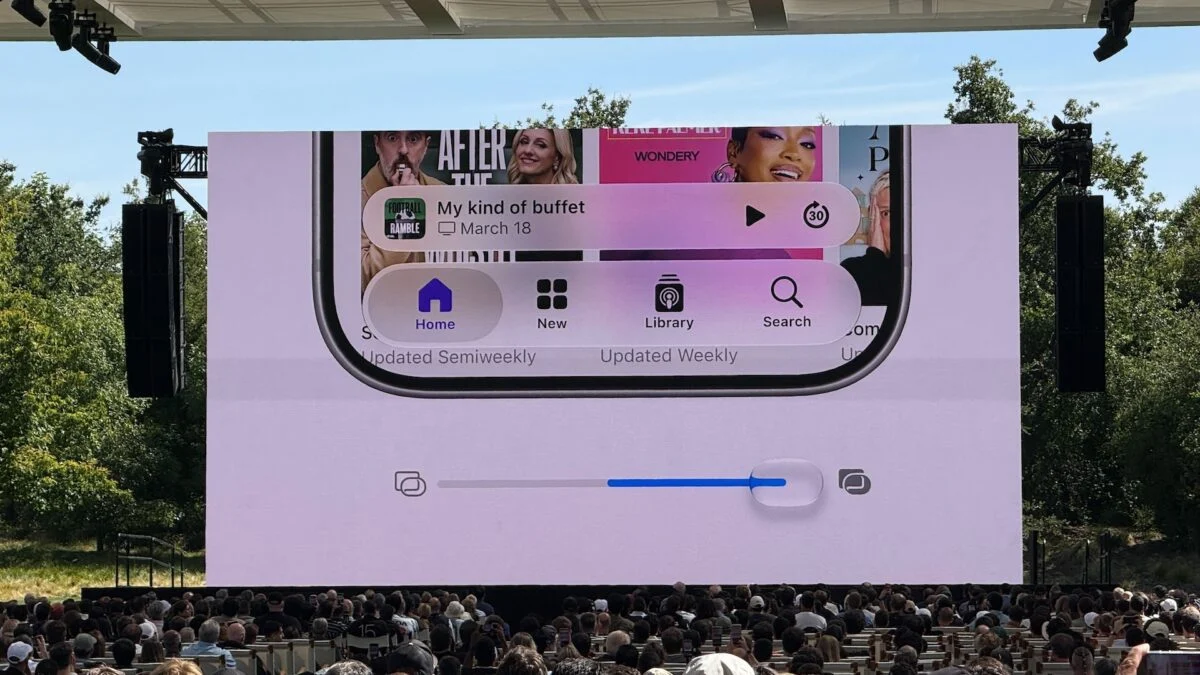
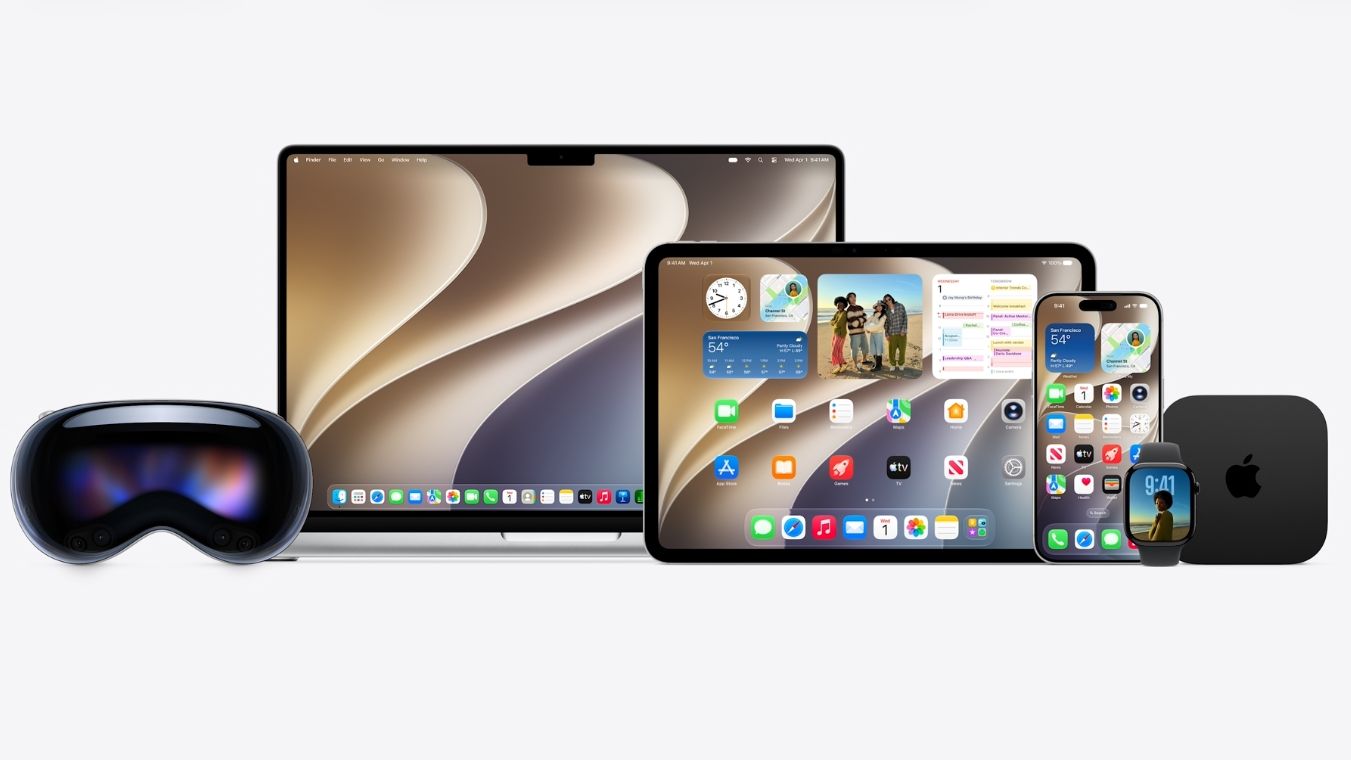
Apple introduced its next major macOS release, macOS 27 Golden Gate, at its WWDC event. The new operating system update, coming this fall, includes a series of new artificial intelligence gestures, as well as iterations to the "liquid glass" design introduced in last year's release, macOS 26 Tahoe.Craig Federighi, Apple's senior vice president of software engineering, said that the 27 releases were focused on more polished and intuitive operating systems, trust and safety (including for children), and updates to Apple Intelligence and Siri. Unlike previous years, Apple spent most of its time highlighting changes that affect the entirety of its platforms, meaning that many of the improvements on Mac are also available in some form on the iPhone or iPad, and vice versa, reflecting the continuing deep integration in Apple's ecosystem of products, including iPhone (iOS 27), iPad (iOS 27), and watchOS (watchOS 27).macOS will include some specific upgrades, including ultrawide display support with higher resolutions, and an updated video podcast player, while many others, like updates to iCloud shared albums and changes to Maps, are across multiple platforms. In many ways, the focus on fixes is reminiscent of 2009's OS X Snow Leopard, which was famous for fixing problems rather than introducing tons of new features.Liquid GlassApple is making changes to Liquid Glass across its platforms to make content more readable and decrease distractions. Glass will now better diffuse content behind it.A new slider in settings will let you move from from ultra-clear to fully tinted, letting you customize how much it affects readability. Specifically on the Mac, Apple is adding a uniform tool bar across the top of apps, which harkens back to more traditional Mac design. Expanded sidebars will move to the edge of windows, and sidebar icons will regain their colors. Additionally, every window will have tighter corner radii, even if they're not updated, for improved consistency across the OS. These were all complaints from Mac diehards over the last year.In app icons across platforms, there will be additional layers of glass in icons to make them sharper and more defined.ImprovementsApple said that it is bringing a massive amount of improvements under the hood of macOS and other platforms, with focus on CPU usage, memory usage, display rendering, and more. Apple claims apps can launch 30% faster on the iPhone and iPad, while new photos will show up in the library up to 70% faster. The advanced CPU scheduler on the iPhone is being optimized and brought all the way back to the iPhone 11, which will be the oldest iPhone supporting iOS 27.Network transitions — especially between cellular and Wi-Fi — were also highlighted, so you don't have to toggle as often.The company also highlighted a new content index across Spotlight, photos, mail and more, which will index your existing files immediately and continue to do so as new content comes in. Apple demonstrated a new ranking system for mail on Mac, showing more relevant results, even if it's years old.Get Tom's Hardware's best news and in-depth reviews, straight to your inbox.AI and SiriFederighi claimed that the mission is to turn AI into helpful and intuitive products, rather than AI for the sake of AI. "Truly helpful AI must be centered around you and your needs," Federighi said, saying it needs to be designed for devices, apps, and with privacy in mind. Surprisingly, Federighi briefly mentioned that its foundation models are integrated with Gemini and will be used "on-device and in servers" with private cloud compute. Additionally, Apple has a more powerful on-device model.Apple SVP for Siri engineering Mike Rockwell showed off a revamped Siri. The new Siri grows out of the dynamic island with "Hey Siri" or when you hold the buttons. It retains context between interactions. A new voice experience includes a more conversational tone. Voice can now be customized for expressivity and pace, with sliders to adjust them in a new Siri app.