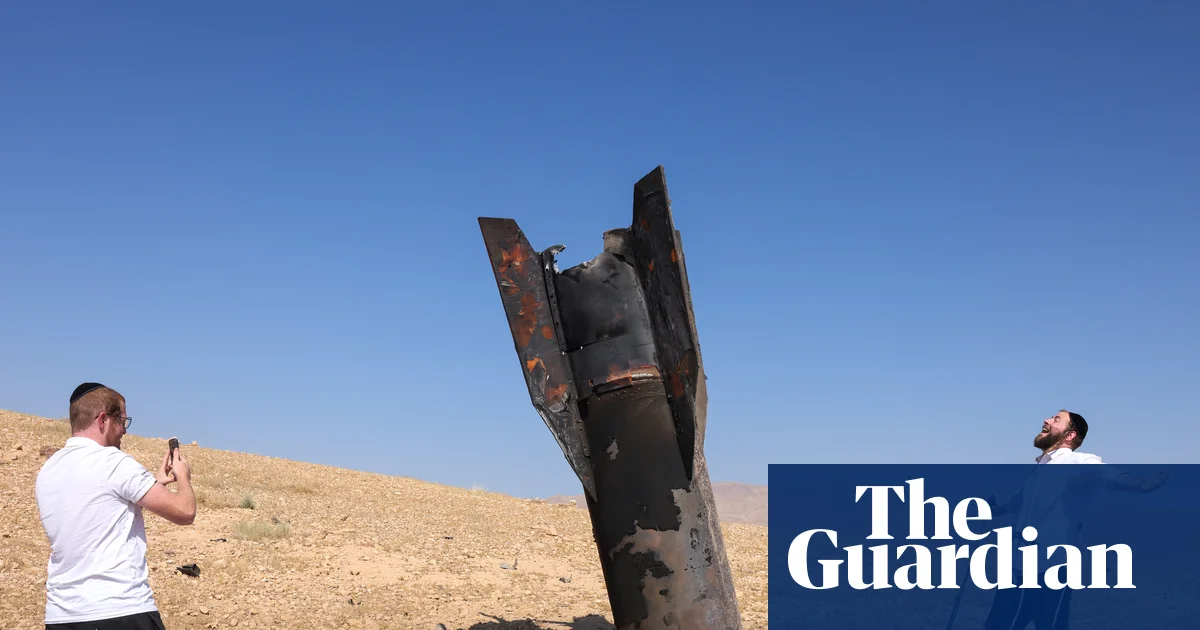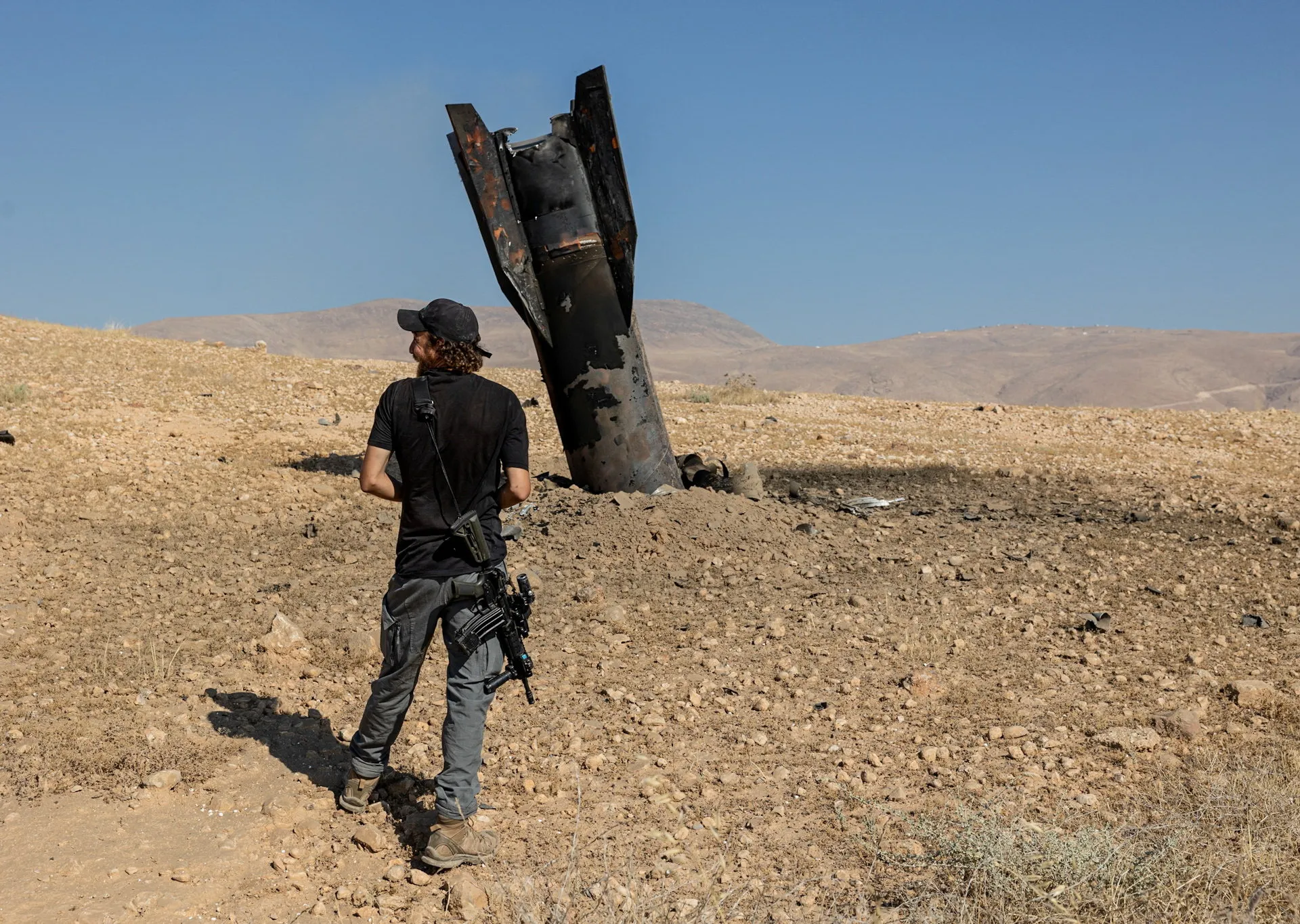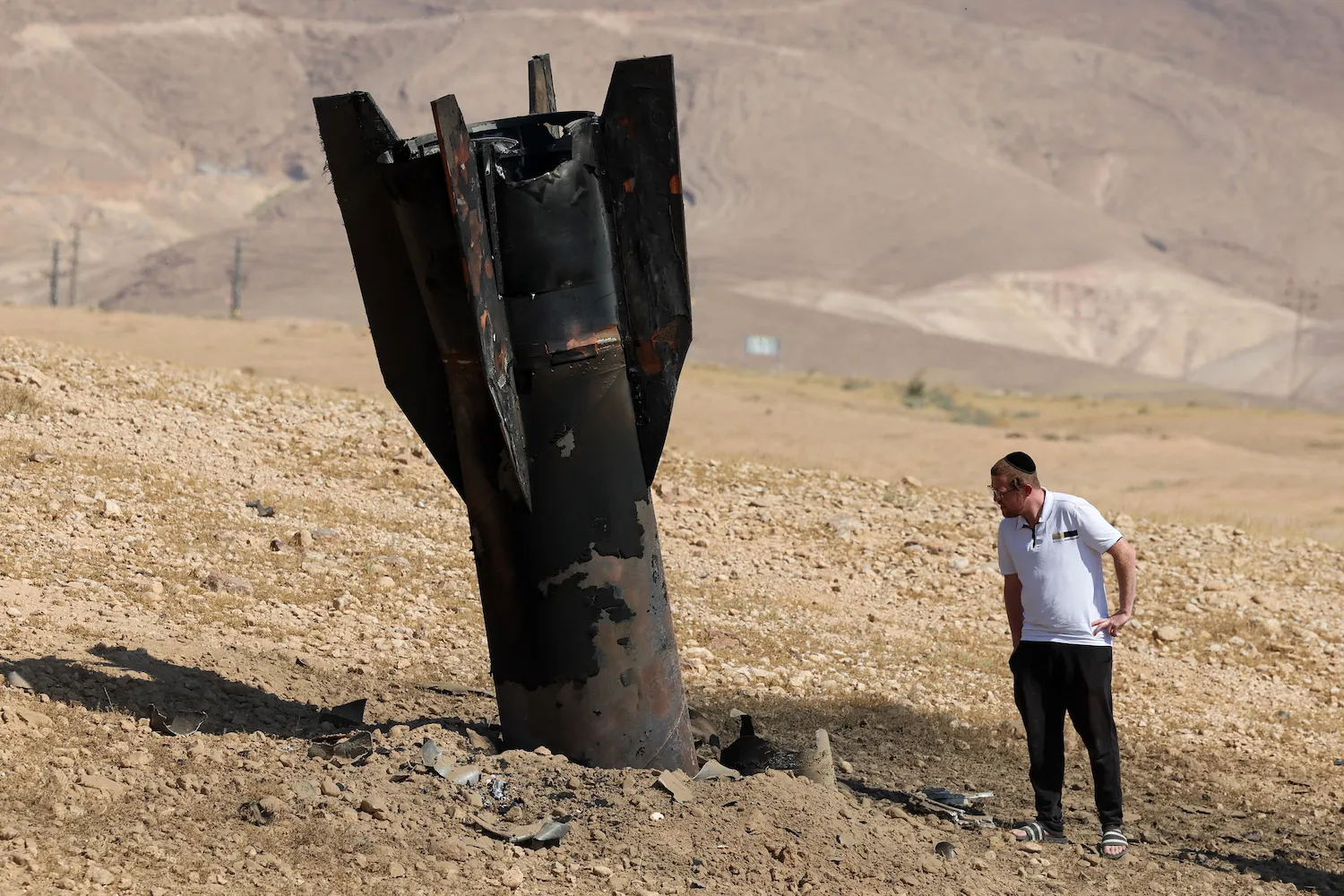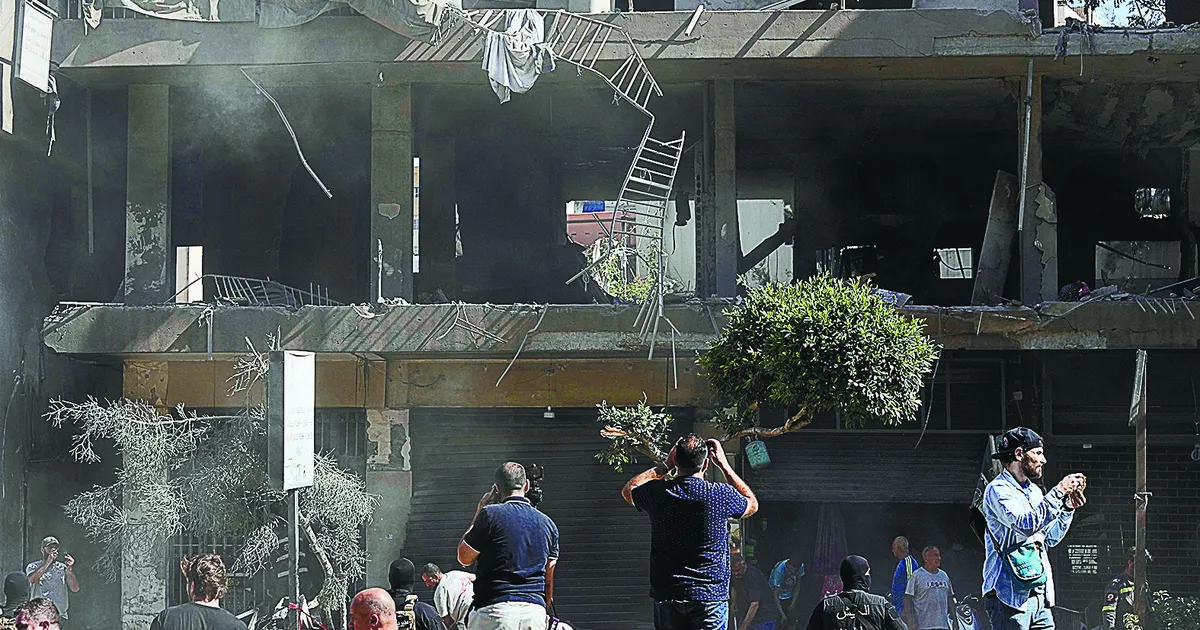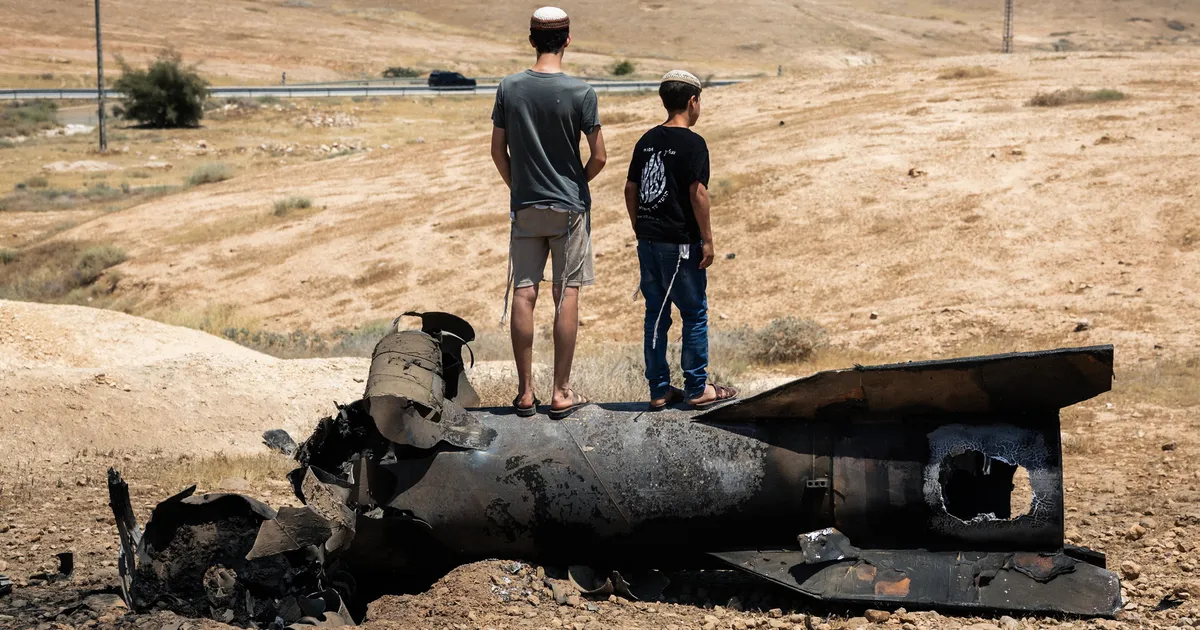
Share to FacebookShare to XArticle printing is available to subscribers onlyPrint in a simple, ad-free formatSubscribeComments: Zen reading is available to subscribers onlyAd-free and in a comfortable reading formatSubscribe12:21 AM • June 09 2026 IDTAfter a renewed flare-up lasting a few hours, a temporary hiatus in the fighting between Israel and Iran seems to have been achieved again. But Iran's missile strikes at Israel's home front, even though Israel responded with airstrikes, also revealed Jerusalem's growing dependence on Washington as well as the sharp rise in Tehran's self-confidence. And the fact that no real agreements have been reached on the Lebanese front threatens to drag the region into yet another escalation. In the NewsTrump Called an Israel-Iran Timeout but Lebanese Impasse Threatens More FightingNetanyahu Looked for a Way to Restart the War – and Found OneHaaretz CartoonIsrael Puts Gaza Hospital Director in Solitary After Lawyer Appealed DetentionBedouin Israeli Detainee, Denied Access to Lawyer, Found Unconscious in His CellRemembering and rebuilding two years laterICYMI'We Were Ordered to Kill': The 1967 Nakba That Israelis Don't Know AboutOne Killed, Five Wounded in Terror Shooting Rampage in Central Israel'Fucking Crazy': Trump Lashes Out at Netanyahu Over Lebanon, Report SaysThe Paradigm That Led to Oct. 7 Didn't Collapse, It Was Fiction From the StartGermany Is Paying a Price for Its Sweeping Support for IsraelHow the U.S. Air Force Is Turning Israel's Ben-Gurion Airport Into Its Own Base
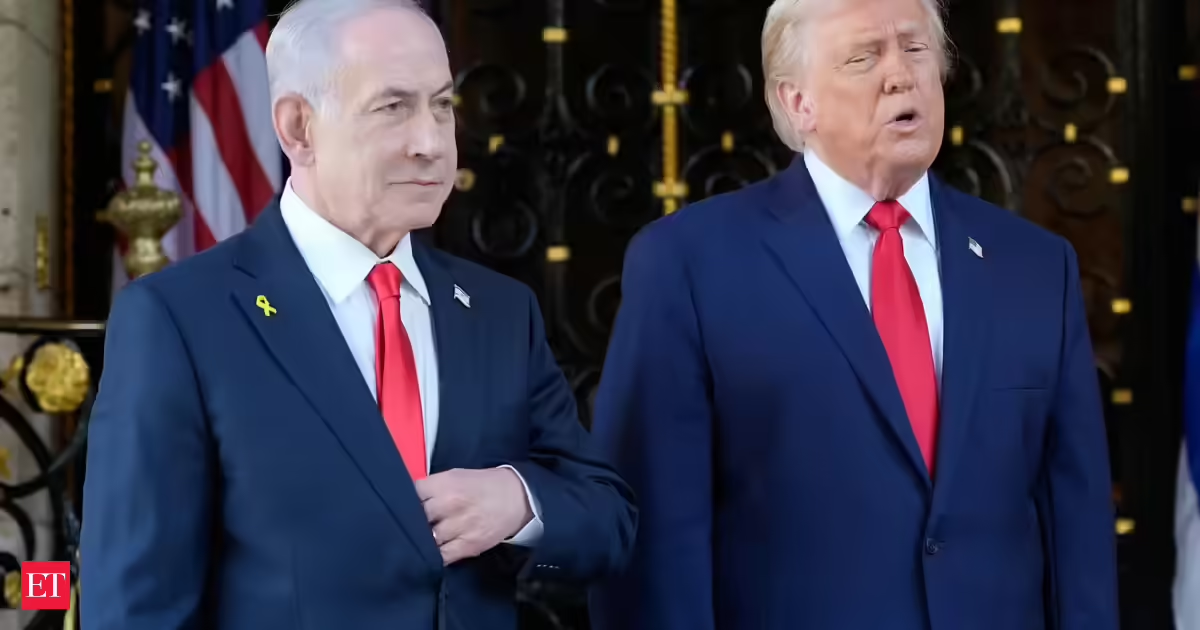
Trump called an Israel-Iran timeout but Lebanese impasse threatens more fighting
A Limited Strike on Iran Allowed Netanyahu to Project Resolve, and the End of the Flare-up Enables the President to Refocus on Nuclear Negotiations. At the Same Time, the Iranian Regime's Willingness to Take Risks Has Been Exposed, as Has Israel's Growing Dependence on the U.S. and the Limits of Netanyahu's Ability to Drive the Regional Agenda
232 words~1 min read