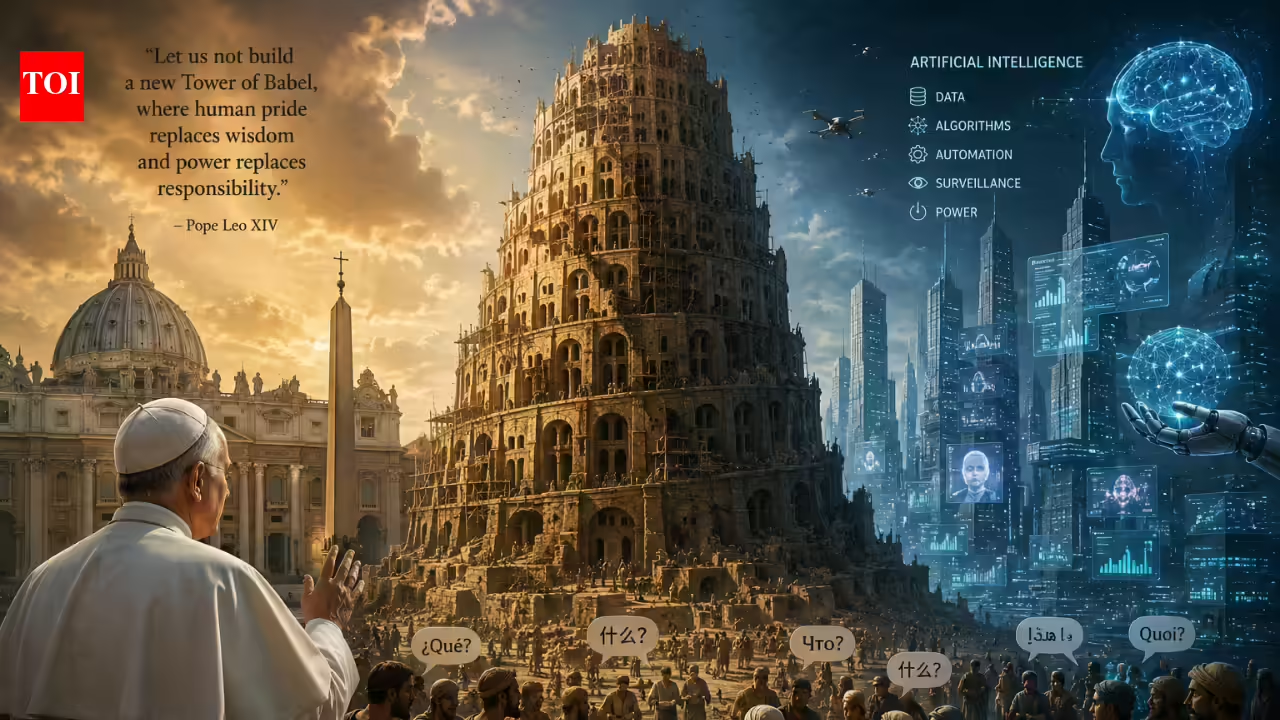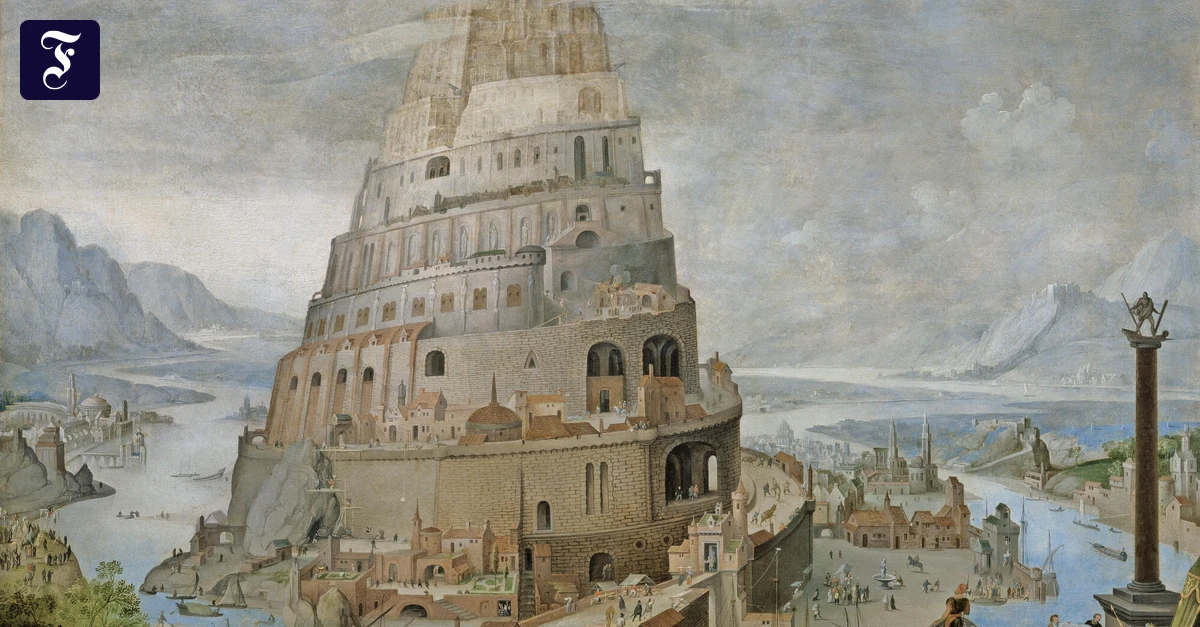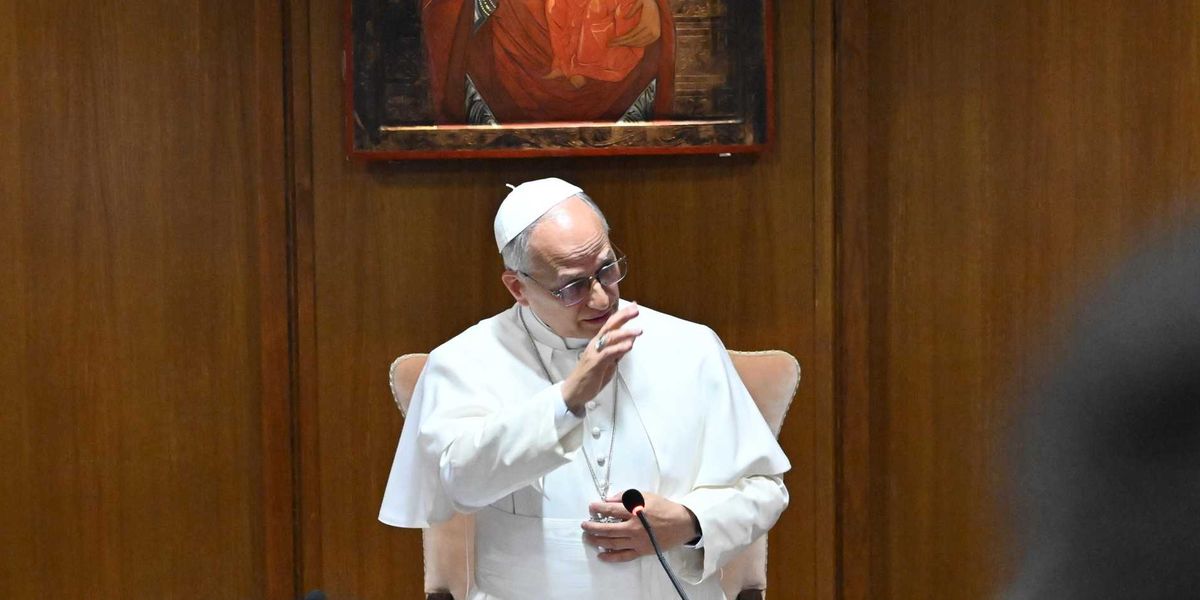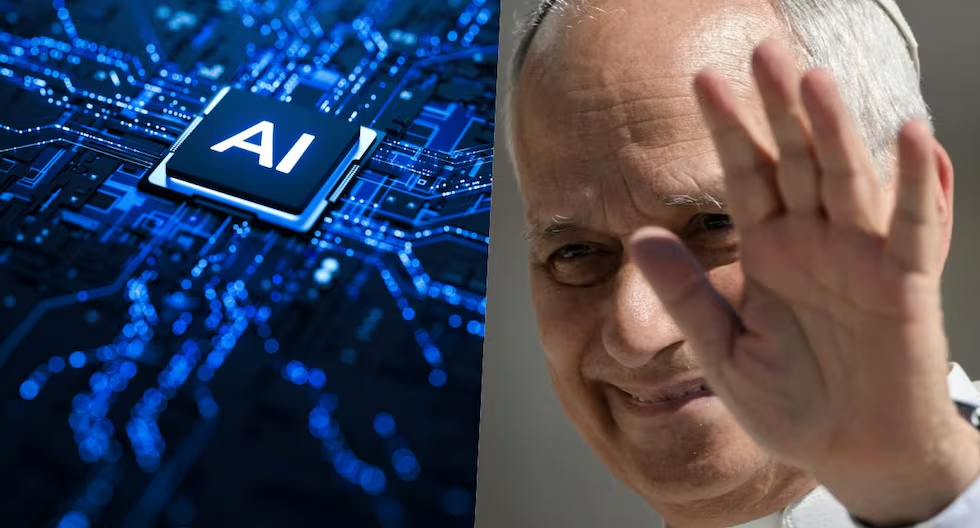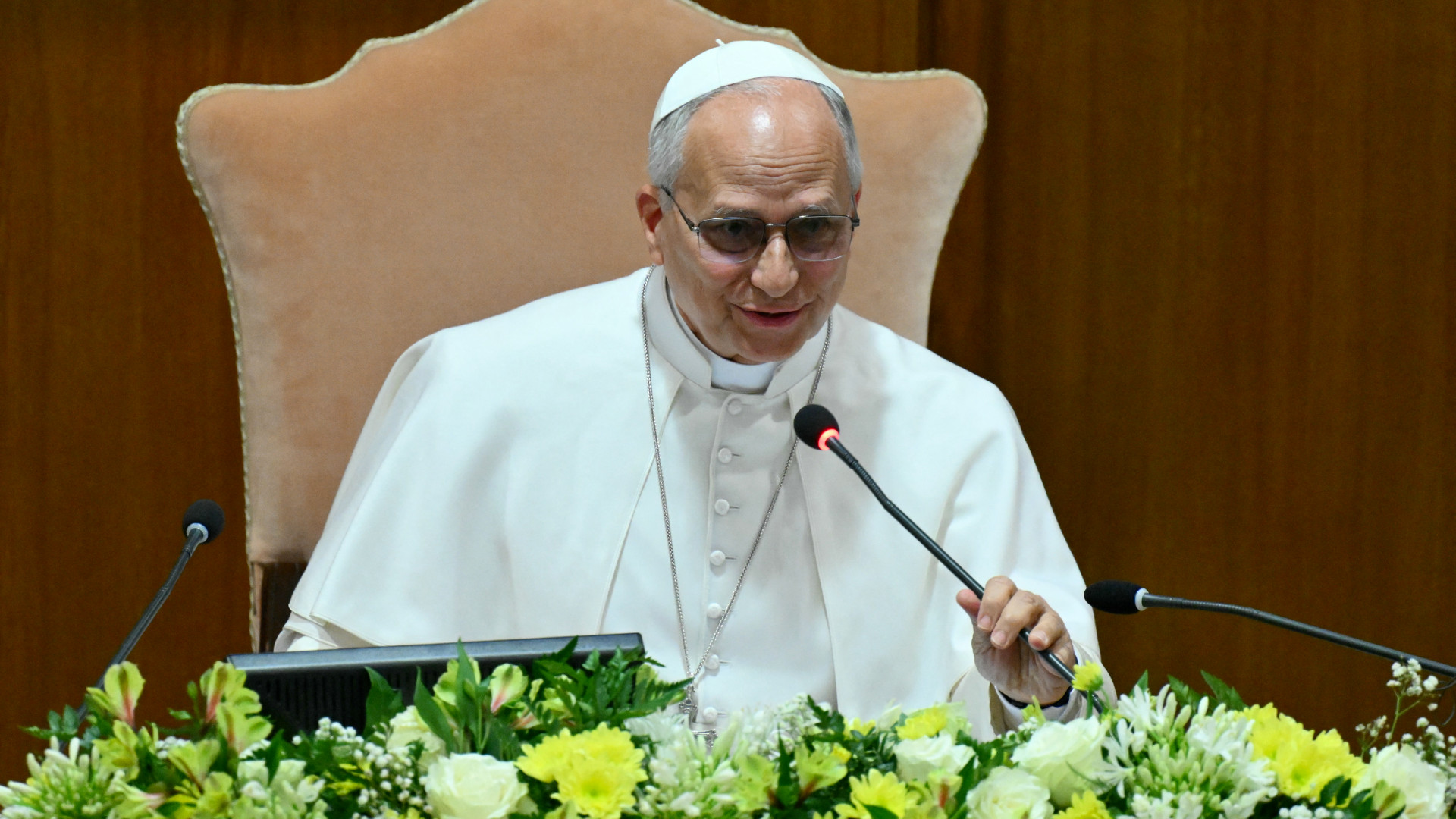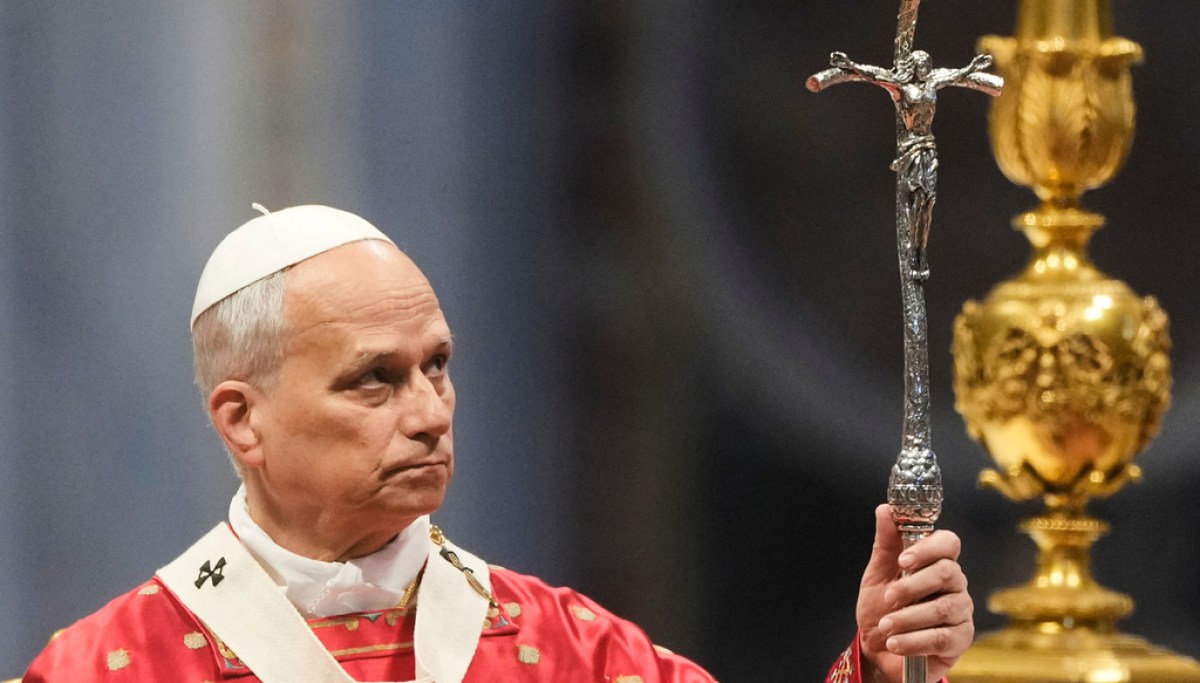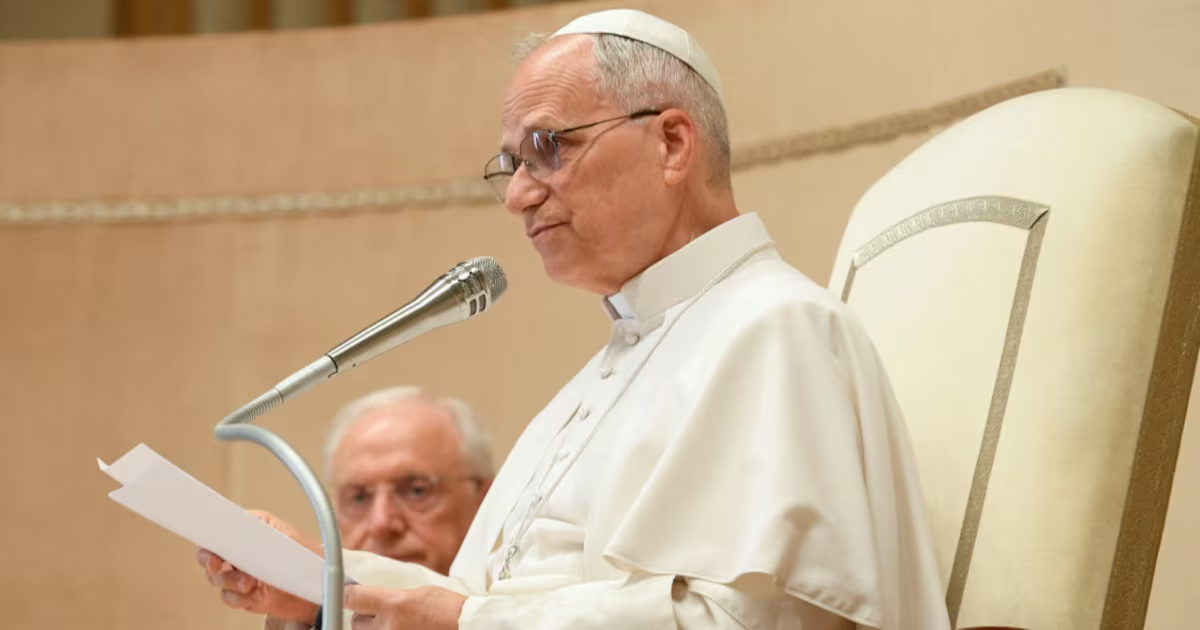
ANTARA HALDAR The Tower of Babel is the biblical story of how humanity, united by a single language and a single ambition, attempts to build a tower to heaven. The project ends in collapse, with God punishing the builders for their hubris by fragmenting humanity into different languages and cultures. The parable, which Pope Leo XIV explicitly invokes in his first encyclical, Magnifica Humanitas, bears an uncanny resemblance to artificial intelligence. Will the technology be humankind’s salvation, as its evangelists claim, or will it lead to damnation, as skeptics fear?Human civilization is already well into an AI arms race to write the script of the future in code. Technology companies are spending billions of dollars to create systems that promise to transform knowledge, work, warfare, politics and perhaps human consciousness itself. Public discourse oscillates between utopianism and panic. And now, one of the world’s oldest institutions has entered the conversation to warn about a race to the bottom.This moment resembles previous periods of economic excess. The technology sector’s confidence is reminiscent of the financial sector’s before 2008, when a small group of insiders insisted that they had mastered a transformative system that outsiders could not fully understand. Extraordinary fortunes were built on the promise of a future radically improved by financial engineering, while red flags were dismissed as evidence of ignorance or fear. Among the few voices of reason was the economist Raghuram G. Rajan, who is now cautioning against AI euphoria.Yet the destructive potential of AI is far greater than the financial engineering of the late 1990s and early 2000s. As the pope understands, the closest parallel is to the industrial revolution itself. When Cardinal Robert Prevost chose the name Leo XIV last year, he was making a statement. The previous Pope Leo made history by issuing a similarly trenchant and wide-ranging encyclical, Rerum Novarum, on the profound inequalities and social dislocations created by industrial capitalism. Factories, railways and mechanized production had transformed society faster than political institutions could adapt, leading to extraordinary concentrations of wealth alongside extraordinary misery.Whereas Leo XIII grappled with the industrialization of labor, Leo XIV is grappling with the industrialization of intelligence. For years, the AI debate has been dominated by engineers, entrepreneurs and investors speaking the language of “scale,” “disruption,” “efficiency,” “innovation” and “optimization.” But Leo XIV is intent on introducing a different vocabulary, focusing on the dignity of labor, war, monopolistic power and the common good.Hence, the word “dignity” appears 100 times in Magnifica Humanitas’s more than 42,000 words. That emphasis reveals a fundamental difference in worldview. The central question for Silicon Valley is what machines can do. The central question for the Vatican is what human beings are.The Vatican, by contrast, is offering a rival account of humanity’s future, one centered on the beliefs that human beings are more than information-processing systems and that our affective attributes are as important as our cognitive abilities. We are unique creatures, capable of love, friendship, conscience, responsibility, suffering, joy and moral judgment. That conviction carries profound implications for the future of work. Our value cannot be reduced to productivity metrics or market prices.Economists have long debated whether automation ultimately creates more jobs than it destroys. Yet, as the global surge in populism demonstrates, employment statistics alone cannot capture the role that work plays in providing a sense of identity, purpose, community and self-respect. The challenge posed by AI is not merely economic, but existential.But perhaps the real target of Magnifica Humanitas is not the technology but its unholy marriage with the market. Here, the symbolism gets even richer. The first American pope comes from Chicago, the city most associated with neoclassical economics. Yet Leo has directly challenged the assumption that markets alone can be trusted to shape society’s technological future. He recognizes that AI raises questions that prices and profits cannot answer. How should societies balance innovation against safety? Who should determine the acceptable uses of autonomous weapons? How should the gains from automation be distributed? What obligations do technology companies have toward the communities they disrupt? These are not engineering questions. They are moral ones.To argue that a technology must be deployed simply because it exists is like saying that because humanity invented nuclear weapons, it is obliged to annihilate itself. Technological capability does not eliminate moral responsibility. AI is often presented as an unstoppable force that is sweeping humanity toward a predetermined future, but Magnifica Humanitas warns against such fatalism.As economists like the Nobel laureates Daron Acemoglu and Simon Johnson argue, technologically driven outcomes are matters of choice, not fate. A new technology does not decide how it will be used. Humans do. The battle is not between the Vatican and the Valley, but between the Chicago-born Pope and the Chicago School of economics. Leo, ironically, is seeking to officiate a divorce — one between the world’s most powerful technology and the profit motive.- - -Antara HaldarAntara Haldar, a professor of empirical legal studies at the University of Cambridge, is a visiting faculty member at Harvard University. The views expressed here are the writer’s own. — Ed.(Project Syndicate)
[Antara Haldar] The Pope and the AI profiteers
The Tower of Babel is the biblical story of how humanity, united by a single language and a single ambition, attempts to build a tower to heaven. The project en
846 words~4 min read