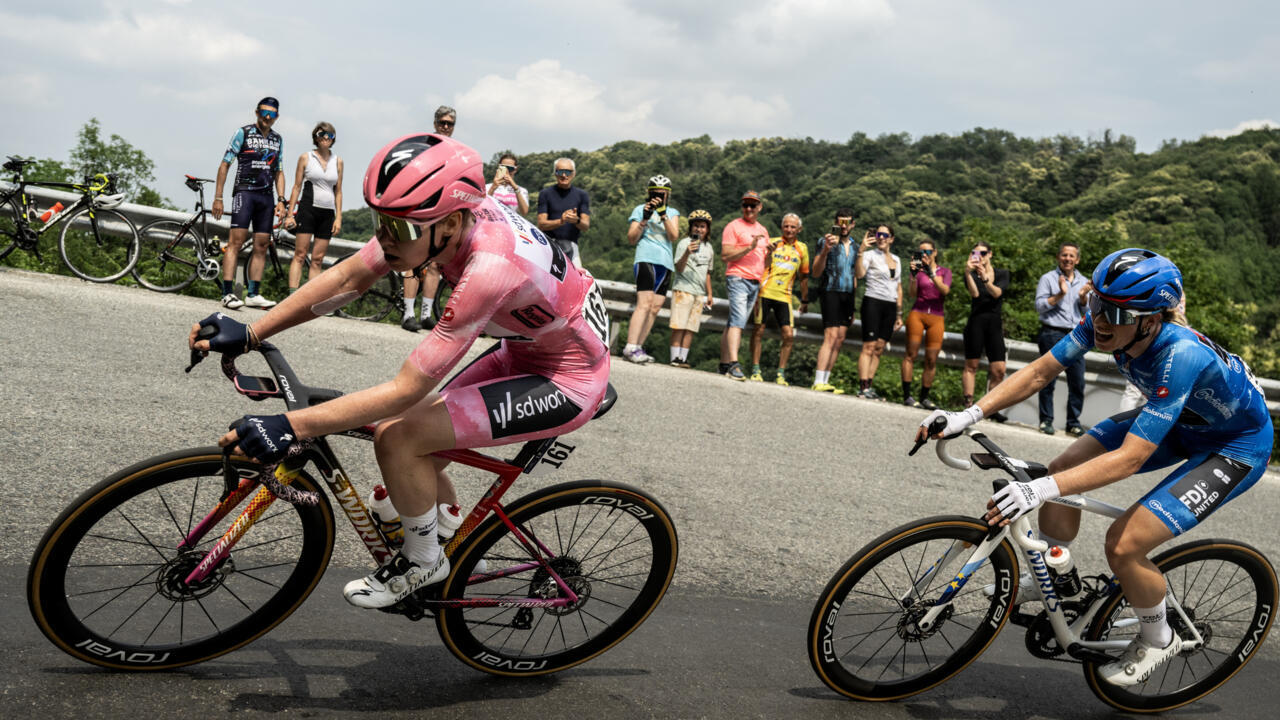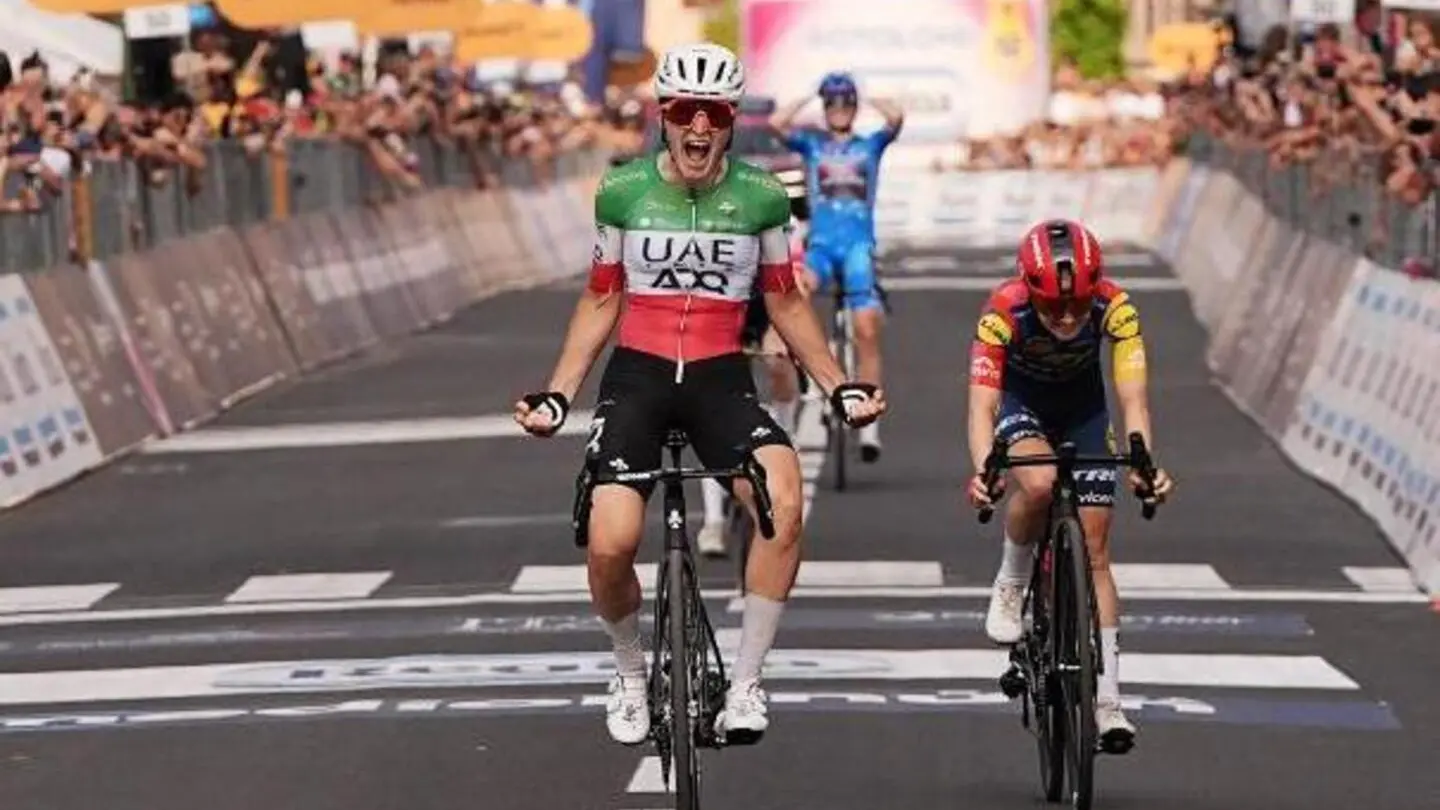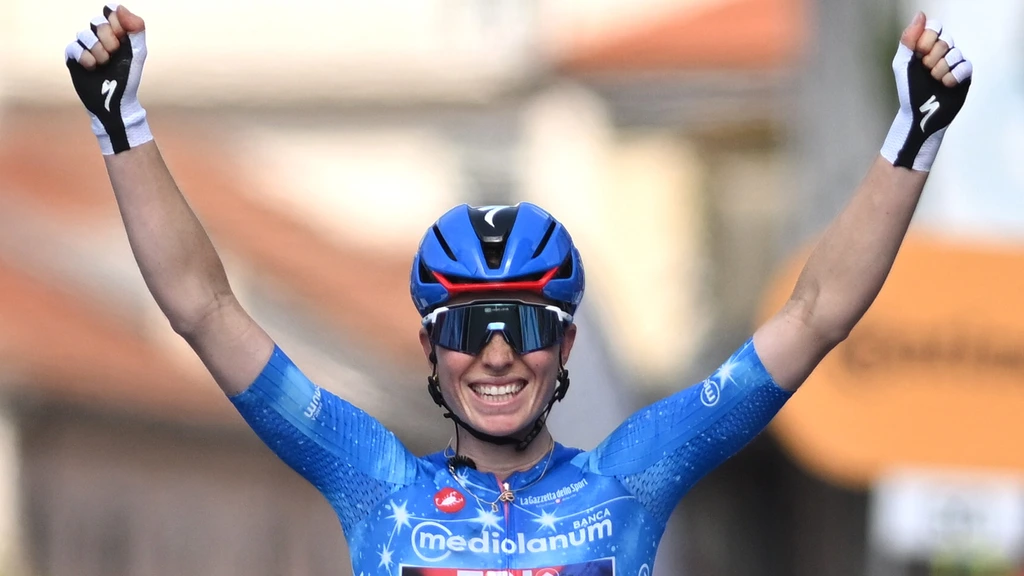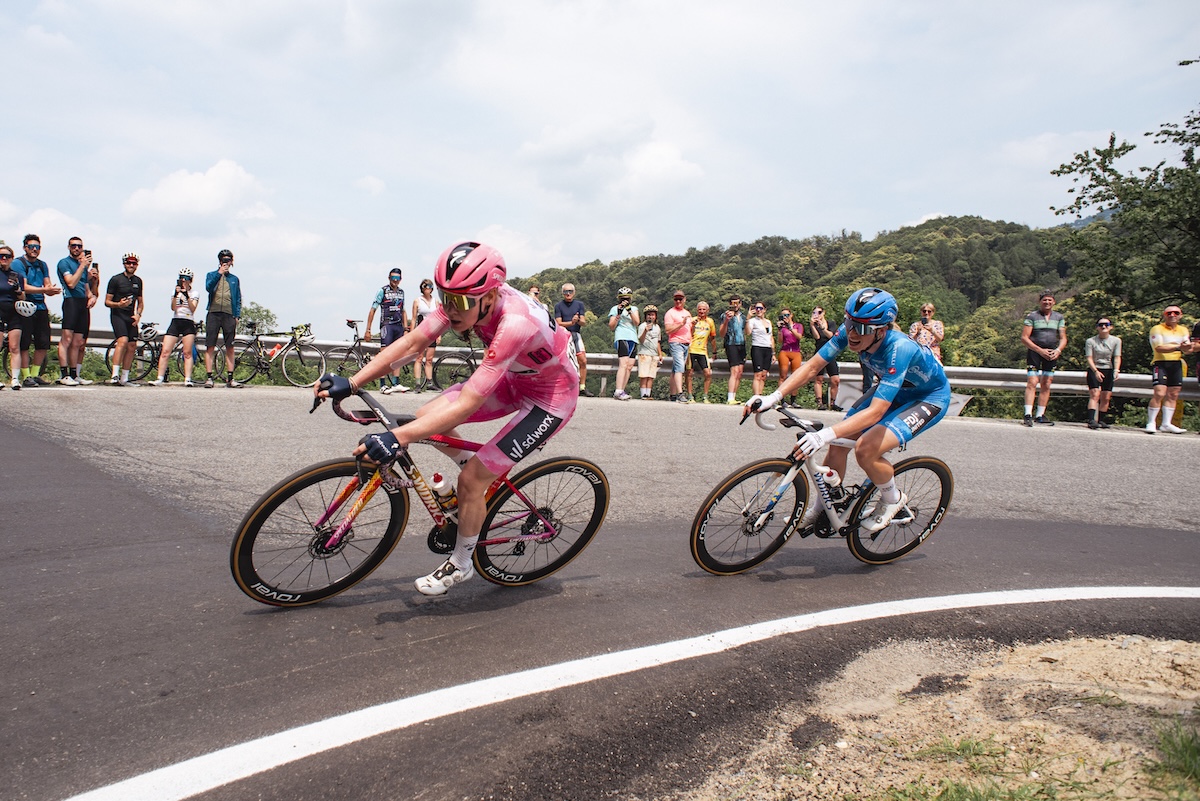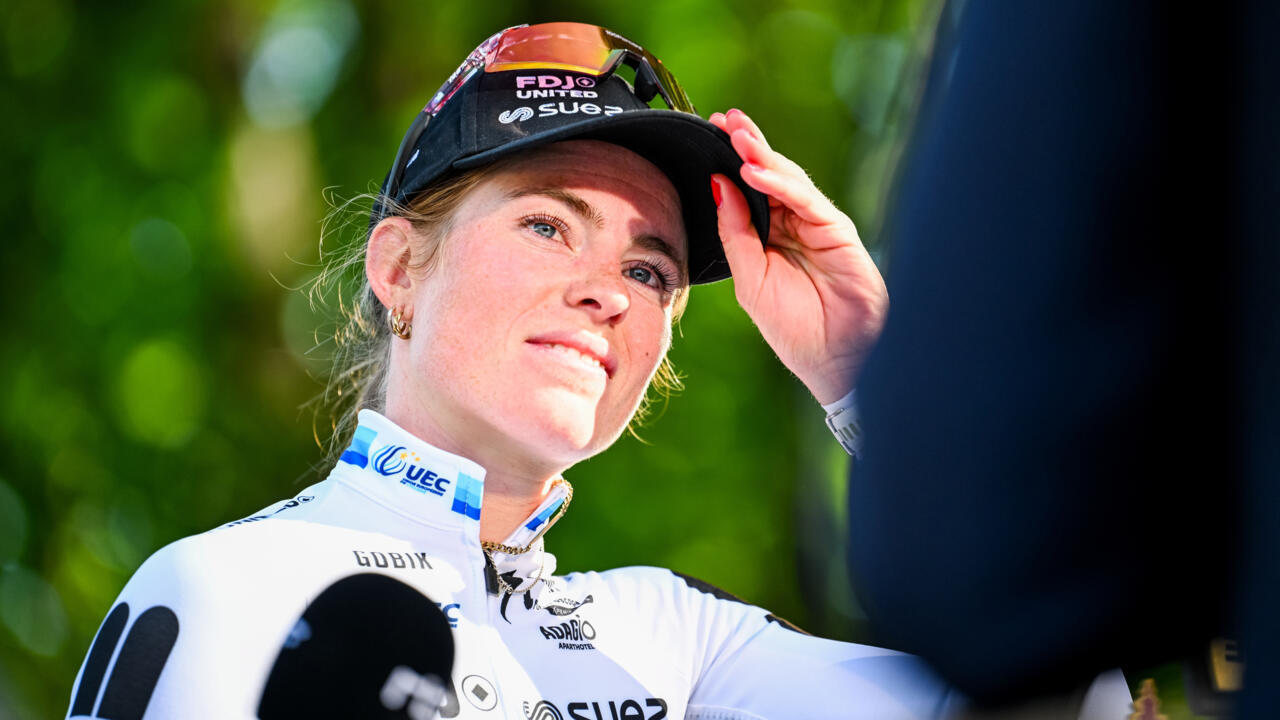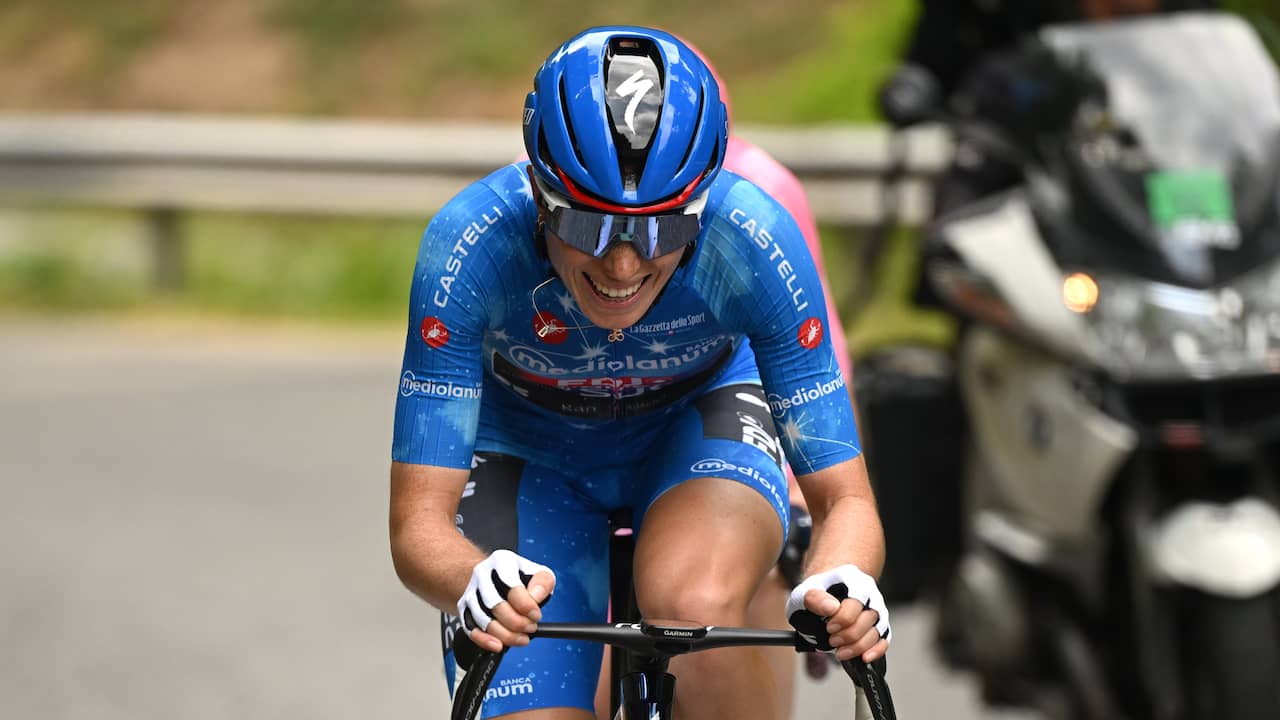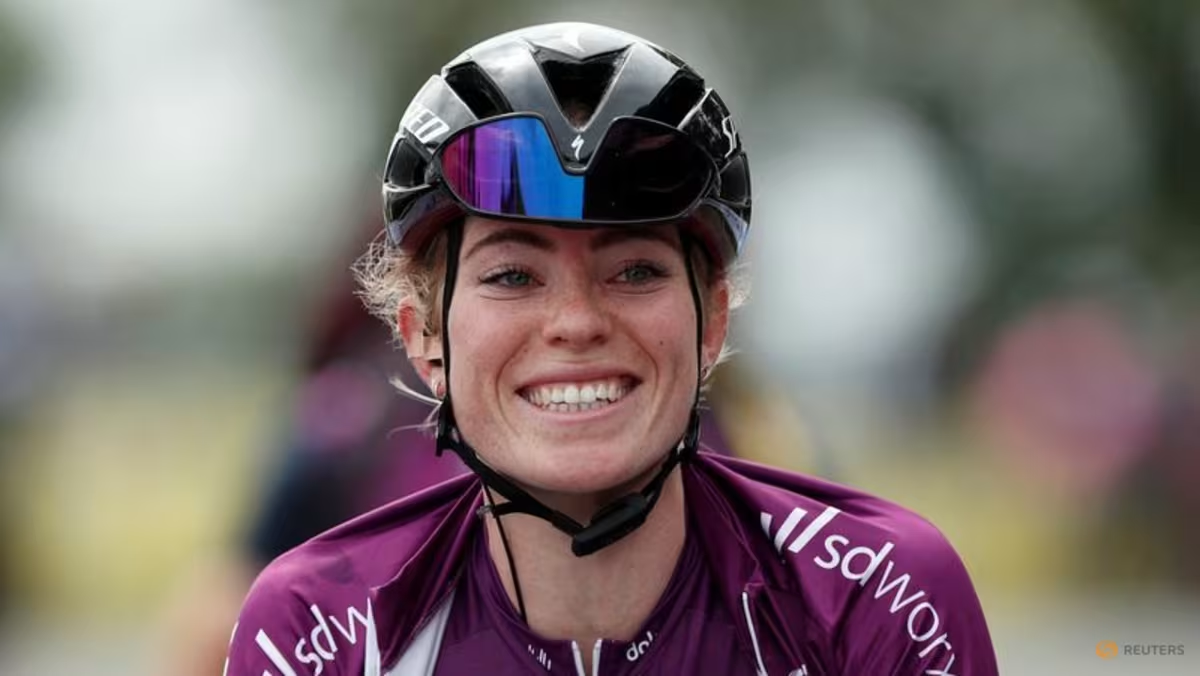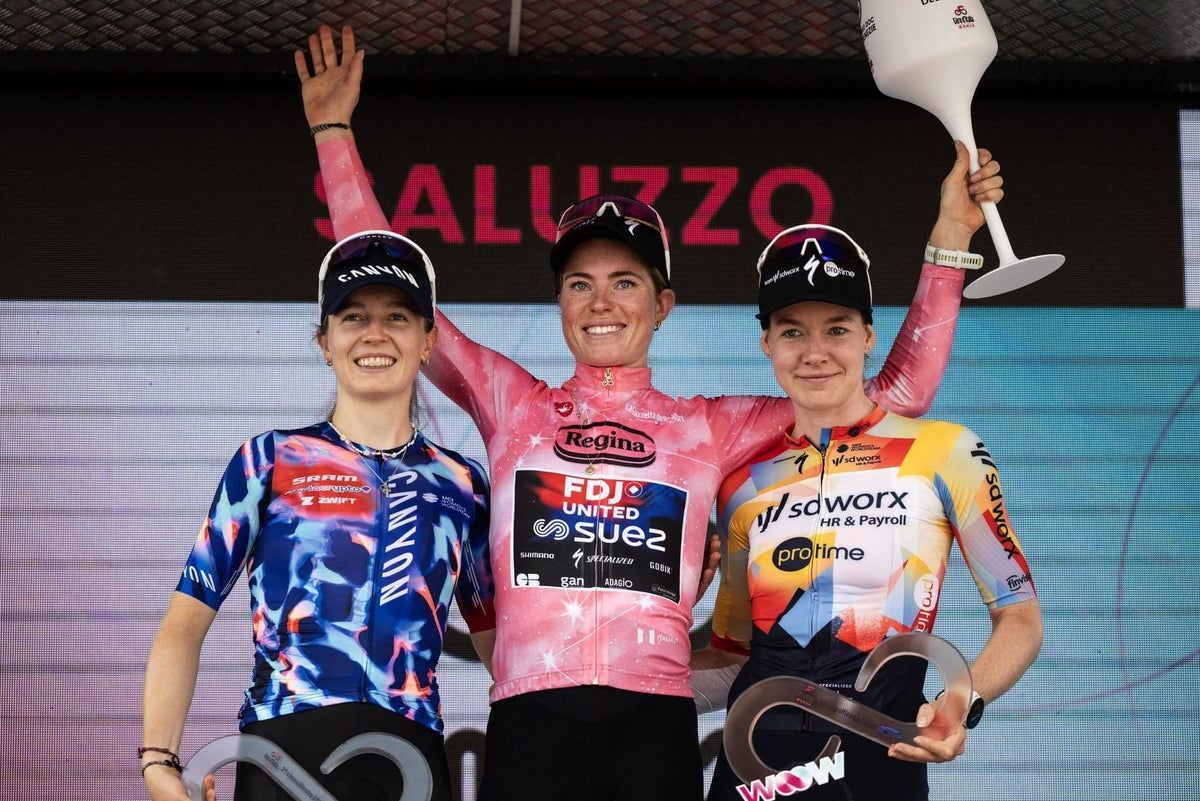
Two grand tours down, one to go.The women’s Giro d’Italia finished on Sunday in spectacular fashion.This year’s Italian event featured one more day of racing than the year before, an uphill individual time trial (ITT) with gradients up to 14 per cent, and the mythical Colle delle Finestre for the first time ever.Before it started, the 2026 Giro was touted as the toughest yet — spanning 1,177.7km from Cesenatico to Saluzzo.It certainly delivered, and in ways not expected.Firstly, the race was not decided on its toughest climb. With weather warnings shutting off the top kilometre of the Finestre, Demi Vollering won the stage but could not gain significant time on then-race leader Anna van der Breggen.Suddenly, beating the SD Worx rider on an easier route was looking like a tougher mountain to climb than the Colle the day before. But she did it.Secondly, the race’s one certainty — the sprinting dominance of Lorena Wiebes — was taken out of the equation with a controversial disqualification on the first stage.This year’s Giro brought an entertaining general classification battle, a scandal, and new heights for the women’s peloton (literally).The Athletic analyses the race’s key talking points.Can anyone beat Vollering in this form?Vollering is in superb form. Clocking four wins in the spring season, the lingering question was whether she could replicate the same performances in summer’s grand tours.To answer that question, the Dutchwoman — off the back of signing a lucrative new contract with her team — leaves Italy as only the second woman to win all three grand tours (Giro, Vuelta a Espana Feminina, Tour de France Femmes) after Annemiek van Vleuten.That’s not to say her competition was shabby either. Despite eventually ceding the maglia rosa, Van der Breggen was on strong form too, winning the ITT by more than a minute and matching every surge Vollering had on the Colle delle Finestre despite being involved in a crash the day before.The final stage, less mountainous than the day before with a general descent towards the finish, was brilliant. Vollering was a woman possessed, dropping the race leader on the Colletta de Brondello and bridging to the front group to make up the 50-second gap, eventually finishing 30 seconds clear of Antonia Niedermaier (Canyon//SRAM), who was third on the day.After finishing second to Pauline Ferrand-Prevot (Team Visma-Lease A Bike) last year, Vollering now seems the favourite for the Tour de France Femmes.Ferrand-Prevot had a strong classics season too, coming second at the Tour of Flanders and third at Paris-Roubaix. The Frenchwoman didn’t make any significant GC impact at the Vuelta, explaining she wanted to progress as a stage racer, and didn’t race the Giro but should not be counted out of defending her Tour title.Van der Breggen (left) was hunted down by Vollering (right) in the final stages (Marco Bertorello/AFP via Getty Images)Colle delle Finestre: Is any climb too big anymore?It has been a year of firsts for the women’s peloton in each grand tour, conquering the Alto de l’Angliru for the first time in the Vuelta and an inaugural Finestre in the Giro.The former boasts average gradients of 9.7 per cent, reaching 23 per cent, over 12.4km, while the latter reaches 14 per cent, with an average of 9.2 per cent, over a longer 18.5km.The Finestre whittled the front group down to just four — the white jersey Isabella Holmgren (Lidl Trek), Niedermaier, Vollering and Van der Breggen, with the latter two unable to break the quartet with fast pacing and tough accelerations. With that situation in mind, it was a great shame that the ascent, and battle, was cut short.Debate has raged over the pace at which the routes are getting harder and longer, but the drama of both new climbs was a riposte to some of that criticism.“If I’m not mistaken, the toughest stage in La Vuelta’s history was the Angliru. I watched it on TV and it was impressive to see the speed at which they climbed,” TdFF race director Marion Rousse told Marca.“I don’t think there are any climbs too tough for women anymore.”It was the first time the women’s peloton had scaled the Colle delle Finestre at the Giro (Marco Bertorello/AFP via Getty Images)Petra Stiasny, winner of the Vuelta’s queen stage, scaled the Angliru in 53 minutes and 45 seconds. Joao Almeida did the same climb a year earlier in the men’s race in 41:10. Faster, yes, but not discouragingly so.In just under two months, the women’s peloton will make it a trilogy of historic ascents — taking on Mont Ventoux for the first time in the Tour.Ventoux will take the riders 15.7km with 1,354 meters of elevation gain and an average gradient of 8.8 per cent, reaching 10 per cent, with the infamous wind adding to the difficulty.Organisers of the French grand tour have struck a middle ground with the route, however, increasing the total distance and total ascent but sticking with nine stages.In the wake of the Angliru and Finestre, Ventoux could not be more highly anticipated.Did losing Wiebes ruin sprinting?In the entertaining landscape of women’s cycling, Wiebes is usually a constant — the SD Worx rider finished her 2025 season with 25 individual wins, more than any other professional cyclist.Yet in the Giro, she was disqualified not just from the stage but the entire race, for racing with a bike that was 20 grams over the weight limit.Her team called the sanction “exceptionally severe”, saying that in a sprint race “a small reduction in weight provides virtually no advantage”. They cited the length of the gap, finishing with daylight between her and second place, suggesting she would not have needed a mechanical advantage due to her dominance.However, rules are rules. The latter argument begs the question — if Wiebes is so far ahead of the field, would her team not err on the side of caution?Wiebes comfortably won the first stage before being disqualified (Luc Claessen/Getty Images)Regardless, Wiebes was gone, so did sprinting suffer in her absence?The second stage suggested otherwise, with a much closer bunch sprint proving exciting viewing as Lidl Trek’s Elisa Balsamo pipped Lara Gillespie of UAE Team ADQ. Balsamo was dominant, winning four stages without Wiebes and taking home the points jersey.It was initially exciting to have, in theory, a wider pool of riders who could win, but ultimately a shame to be without the best.Giro winners and losersBeyond those mentioned, the team winners Lidl Trek had a brilliant race.The German team collected four stage wins, the best young rider’s white jersey (Holmgren) and the red points jersey (Balsamo).Holmgren achieved a top-10 GC finish (seventh) and came second only to Vollering in the queen stage on the Finestre, bringing together a standout Giro for the 21-year-old Canadian.Niamh Fisher-Black was in bright form, coming second in the final stage to secure a top-five GC finish.Movistar, however, appeared to have a tough time after losing 20-year-old Cat Ferguson on the first stage to a crash. Marlen Reusser finished second in the ITT, only to drop time in the final two stages and finish outside of the GC top 10. The Swiss rider fractured her spine in April’s Tour of Flanders, however, so could consider completing the race a win in itself.Similarly, Elisa Longo Borghini (UAE Team ADQ) lost time on the Finestre to miss the chance to defend her title (again) but delighted the home crowd with a win in the final stage.
Giro d’Italia Women takeaways: Demi Vollering makes history, sprinting controversy and peloton scales new heights
The Athletic breaks down the nine days of racing in Italy where there was no shortage of drama
1,233 words~6 min read