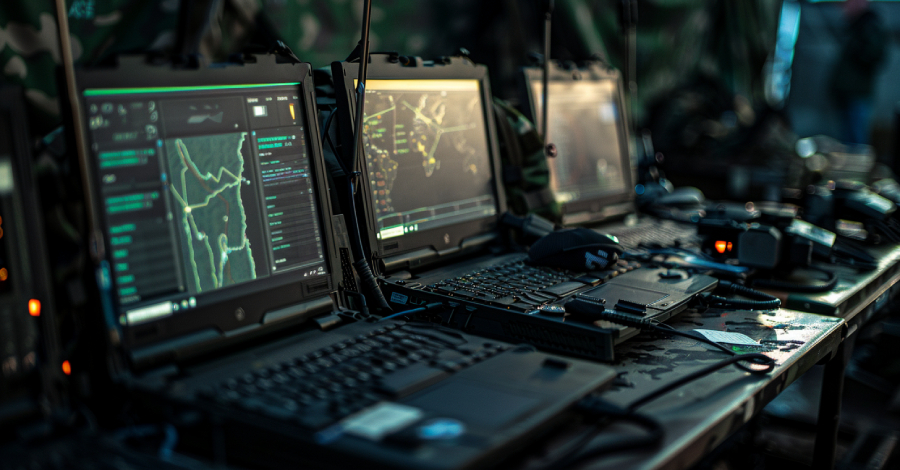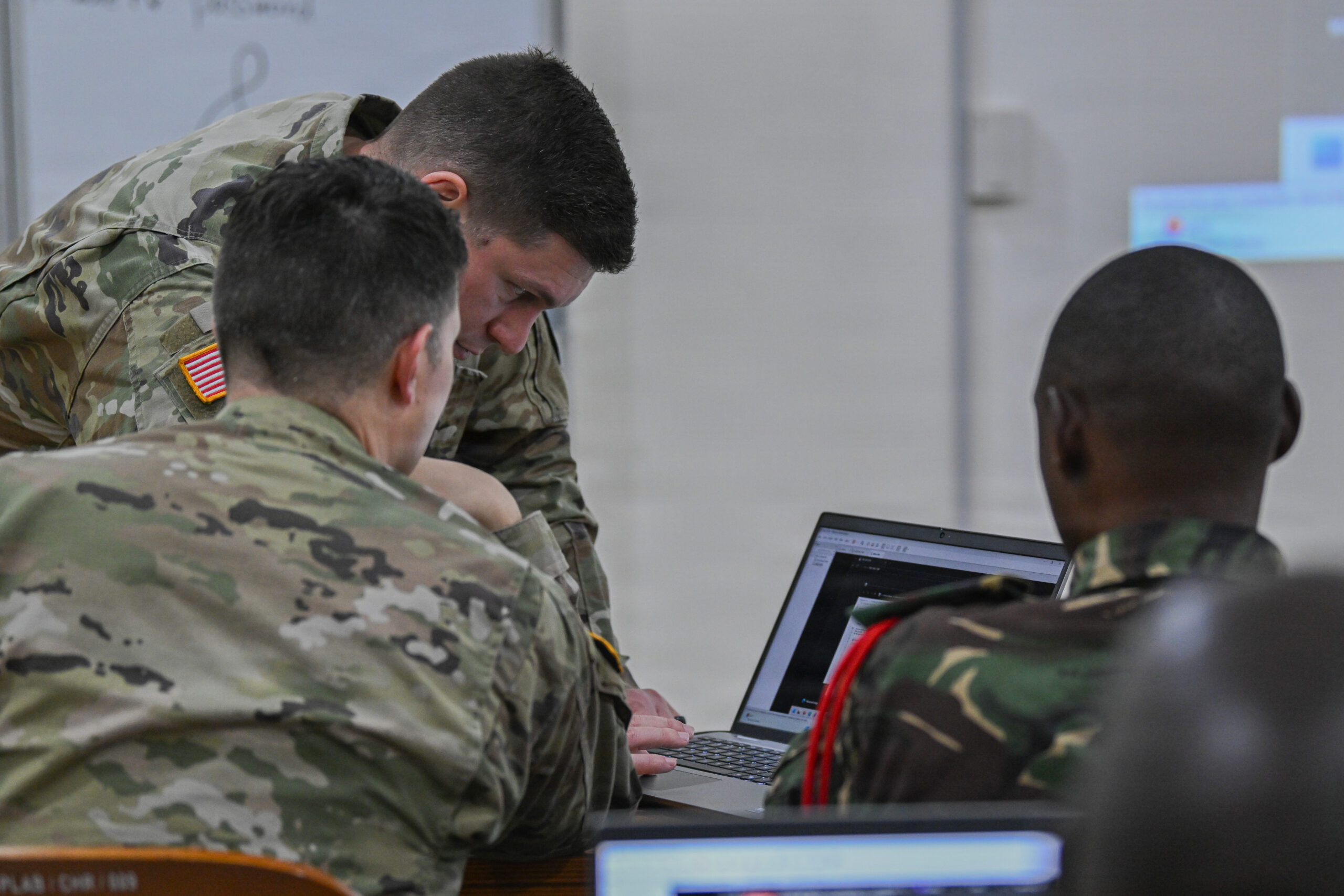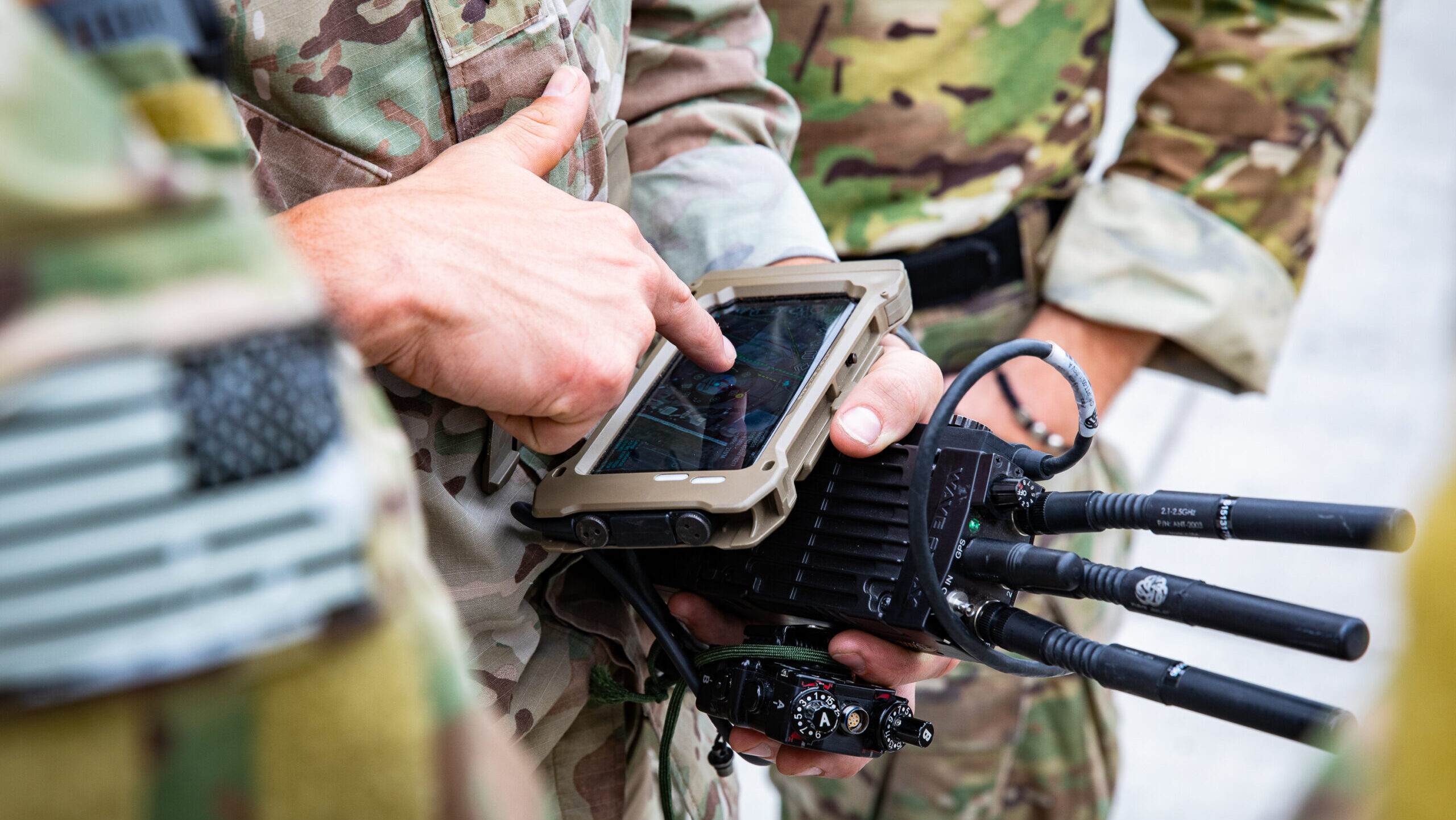
AI is rapidly becoming part of defense operations, accelerating planning, intelligence analysis, decision support, and operational coordination. As AI becomes more embedded in command-and-control and mission workflows, protecting the growing volume of stored mission data is becoming a critical operational requirement.
Pentagon officials report that AI use across the Department of War increased by 1,775% over the past year, growing by approximately 1.42 million users.¹ Leaders have described this shift as part of an effort to embed AI into defense systems so warfighters can make faster, more precise decisions. As AI moves closer to real-time battlefield and mission environments, sensitive data will increasingly reside on systems, creating new security and data protection challenges for defense organizations.
For defense teams, a central issue is whether data-at-rest security can be deployed wherever mission data lives. In distributed environments, deployment is not just an operational concern, it is a security requirement. If mission data protection cannot be deployed, updated, recovered, audited, and sanitized at scale, coverage will be uneven, creating risk across the mission data footprint.