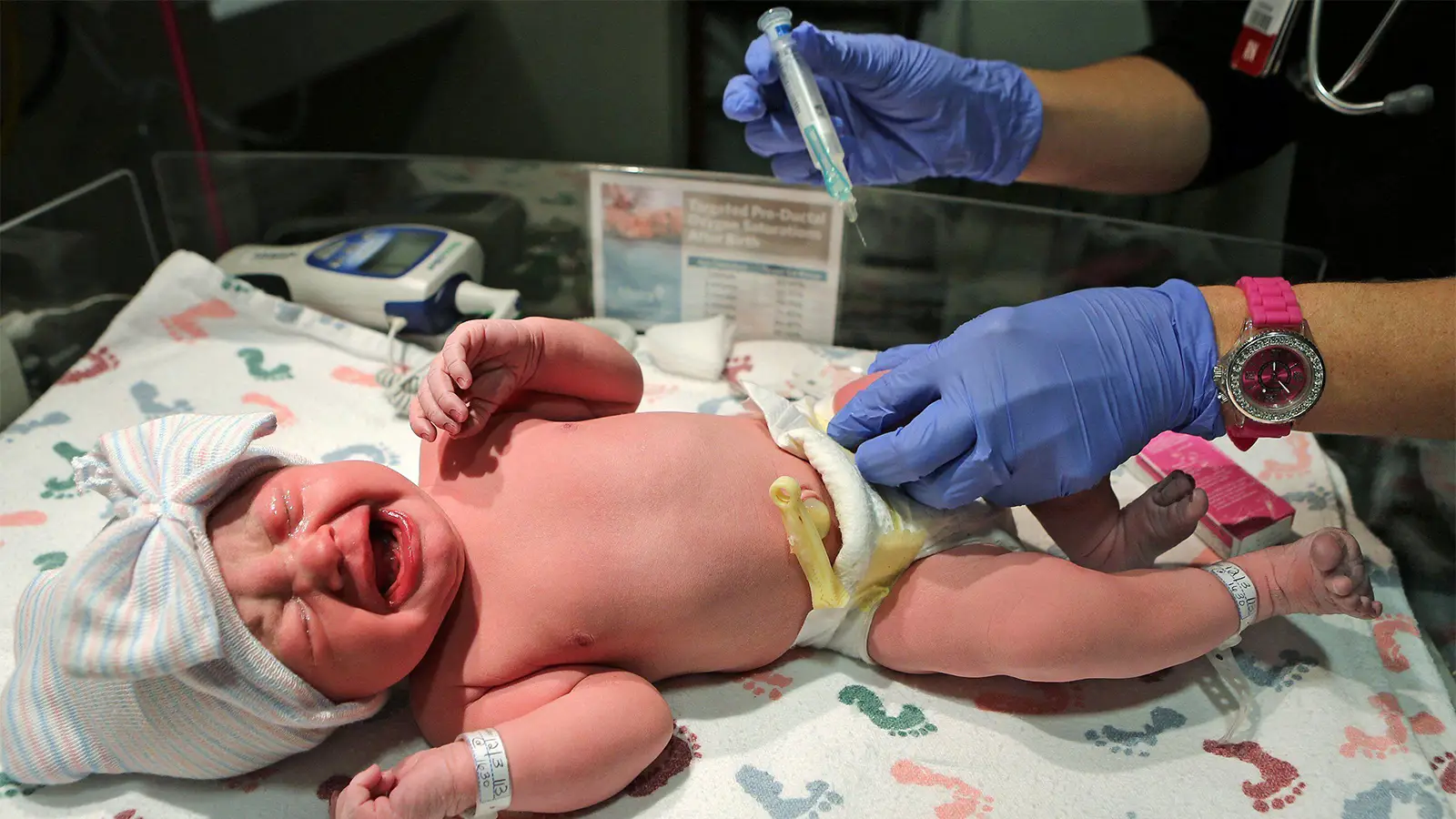
A ProPublica investigation published last month documented something troubling: parents across the country are declining a simple vitamin K shot for their newborns, and some of those babies are dying of preventable hemorrhages. The piece, like so much coverage of vaccine and medical hesitancy, frames the problem as misinformation. Parents are being misled. Parents need to be educated. If we could just get the right facts in front of them, the problem would stop.
I am a physician and maternal health researcher. I have read the studies. I know the data is unambiguous: intramuscular vitamin K at birth has been standard of care since 1961, it prevents a rare but devastating bleeding disorder, yet the percentage of infants not receiving the shot rose from under 3% in 2017 to over 5% by 2024.
But based on my experiences, the core of the problem is not misinformation. The parents who have declined the shot are not stupid. They are not malicious. They are people who have stopped trusting medical institutions, and we have given them reasons to.
The misinformation framing gets something fundamentally wrong about what is happening. Misinformation implies a deficit, that parents are missing facts, and that supplying the facts will correct the problem. But anthropologists who study conspiracy theories and health rumors understand that misinformation does not spread in a vacuum. It spreads in the gaps left by broken trust, gaps created when institutions suppress information, when power dynamics silence patient concerns, when communities feel dismissed or harmed. You cannot fact-check your way out of a trust crisis.