I recently wrote about babies dying from a rare but fatal condition called vitamin K deficiency bleeding. To report the story, I analyzed hundreds of rows of data, contacted more than 50 hospitals and birthing centers, and filed nearly 90 public records requests. But autopsy reports — one record of how these babies died — painted the clearest picture of these tragedies.
I’m sharing some of the most critical lessons I learned from the autopsy reports in hopes of creating a greater awareness of this condition and highlighting what decades of research and interviews with dozens of doctors found: In almost every case, the deaths could have been prevented with a simple shot of vitamin K at birth.
ProPublica is not sharing the babies’ names, the dates or years of death, or the locations within a state to protect the families’ privacy.
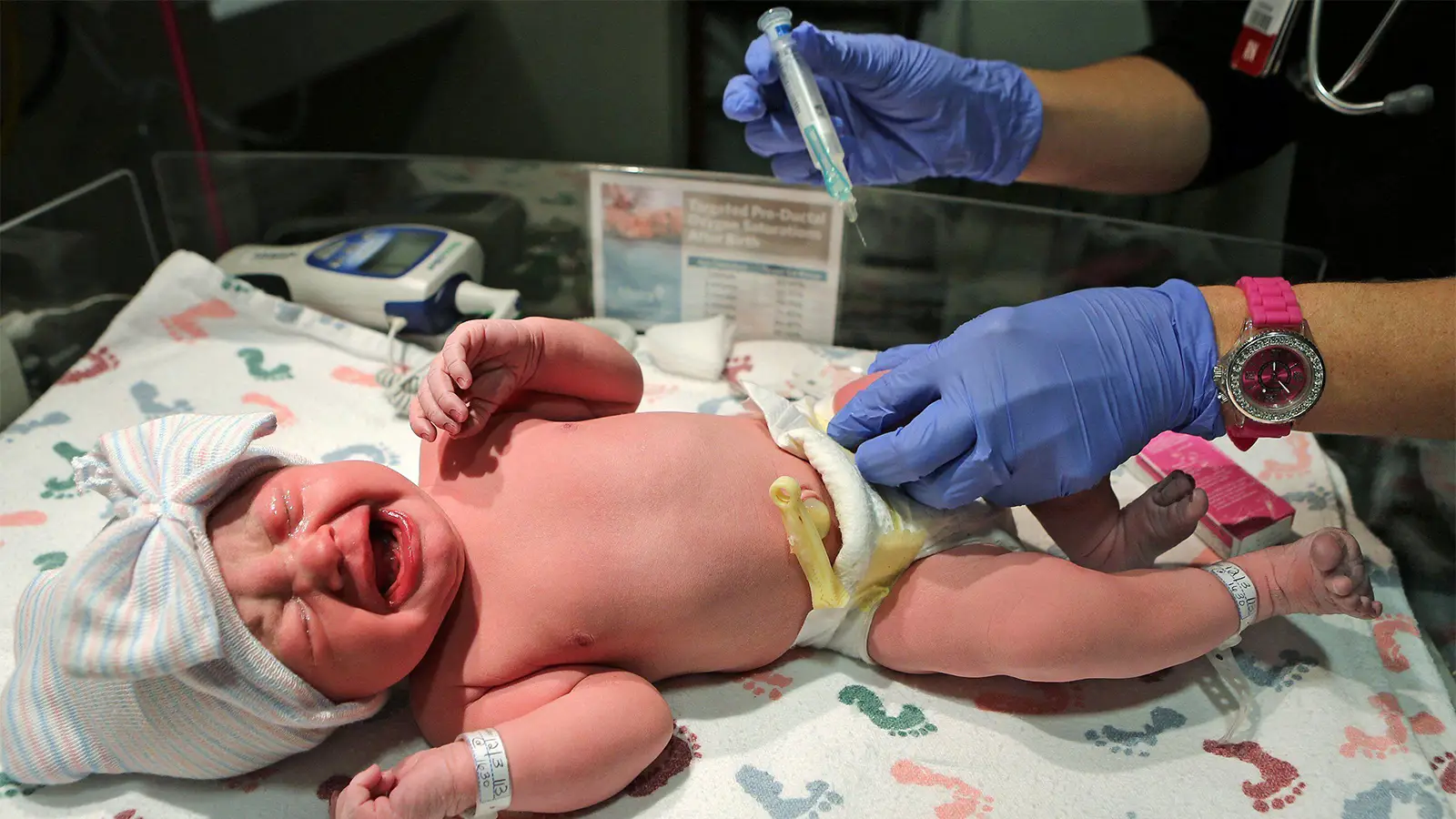
Babies need vitamin K to help their blood clot, but they aren’t born with enough of it in their system. Two researchers were awarded the Nobel Prize in 1943 for their discovery of vitamin K and its ability to form clots and stop bleeding in babies, and the vitamin K shot has been a standard intervention for newborns in the U.S. since the American Academy of Pediatrics recommended it more than 60 years ago.