We don’t know their names. We almost certainly never will. But beginning on February 11, 2022 108 healthy adults from across the United States performed an act of selfless generosity. Twelve went first. They were the guinea pigs, those willing to ensure the safety of others by taking the risk of whatever might go wrong.Article continues after advertisement
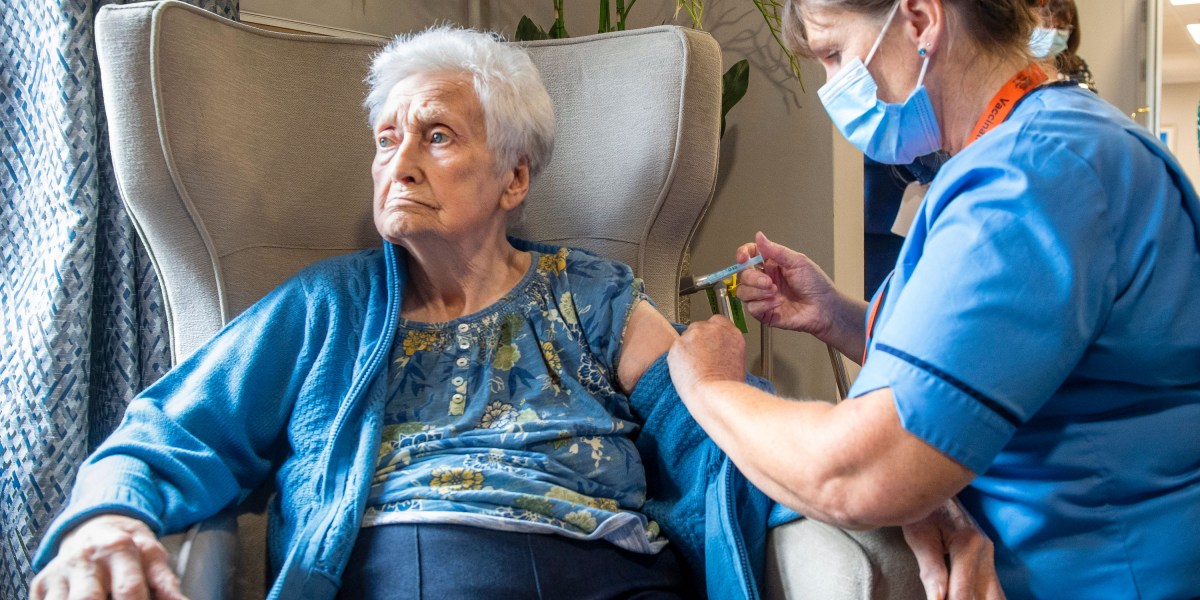
Nothing did, so three times over the course of twelve weeks the group bared their arms and allowed strangers to poke them with a needle, through which flowed something new, a substance never before inserted into human bodies. A handful of them reacted to those injections—most often experiencing a bout of hives—but, on the whole, the study subjects handled the experimental compound well.
These were ordinary people. As near as possible, they were a cross section of the US population. Some were as young as eighteen, some were sufficiently ancient to have made it to fifty-five. Just over half were men; one in six were Hispanic or Latino. They put up with a lot from the team of researchers: multiple blood draws, the last coming nine months into the study. Finally, in 2025, the work was done, and on July 30, the research team published its results.