Show Caption
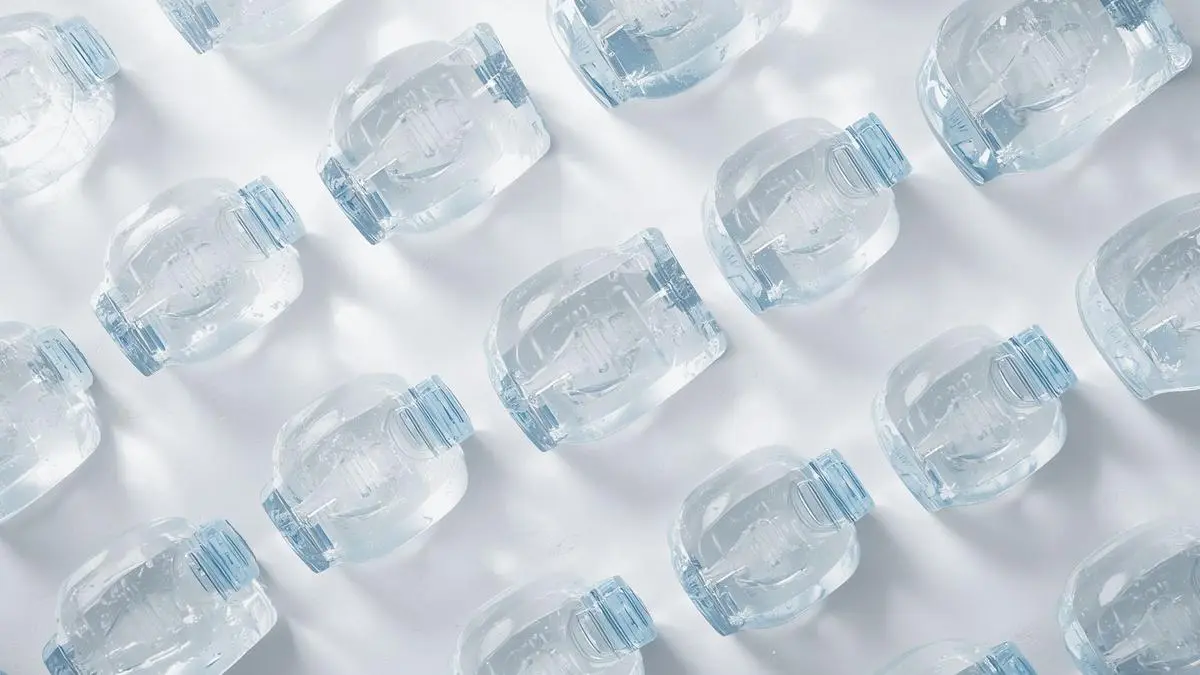
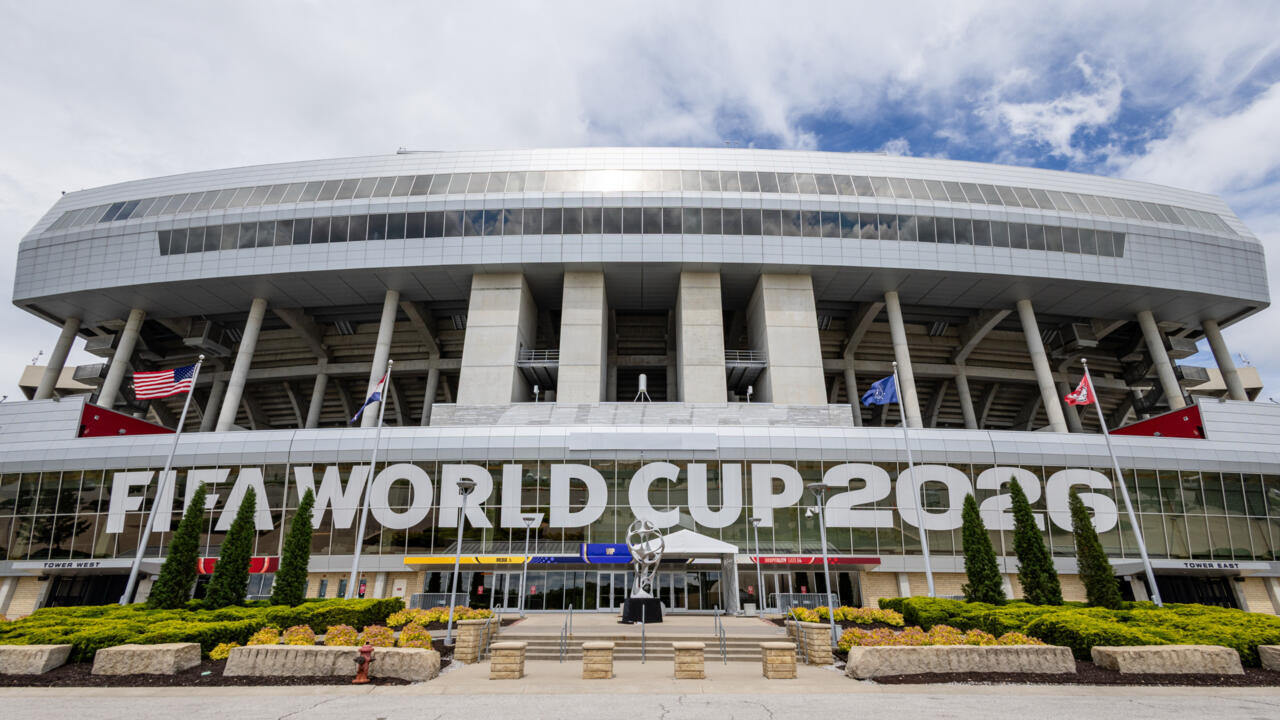
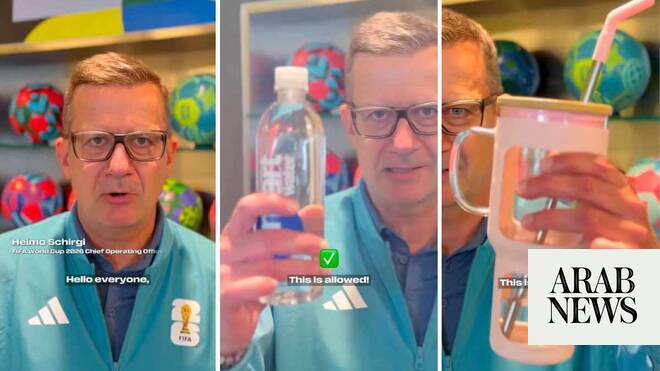
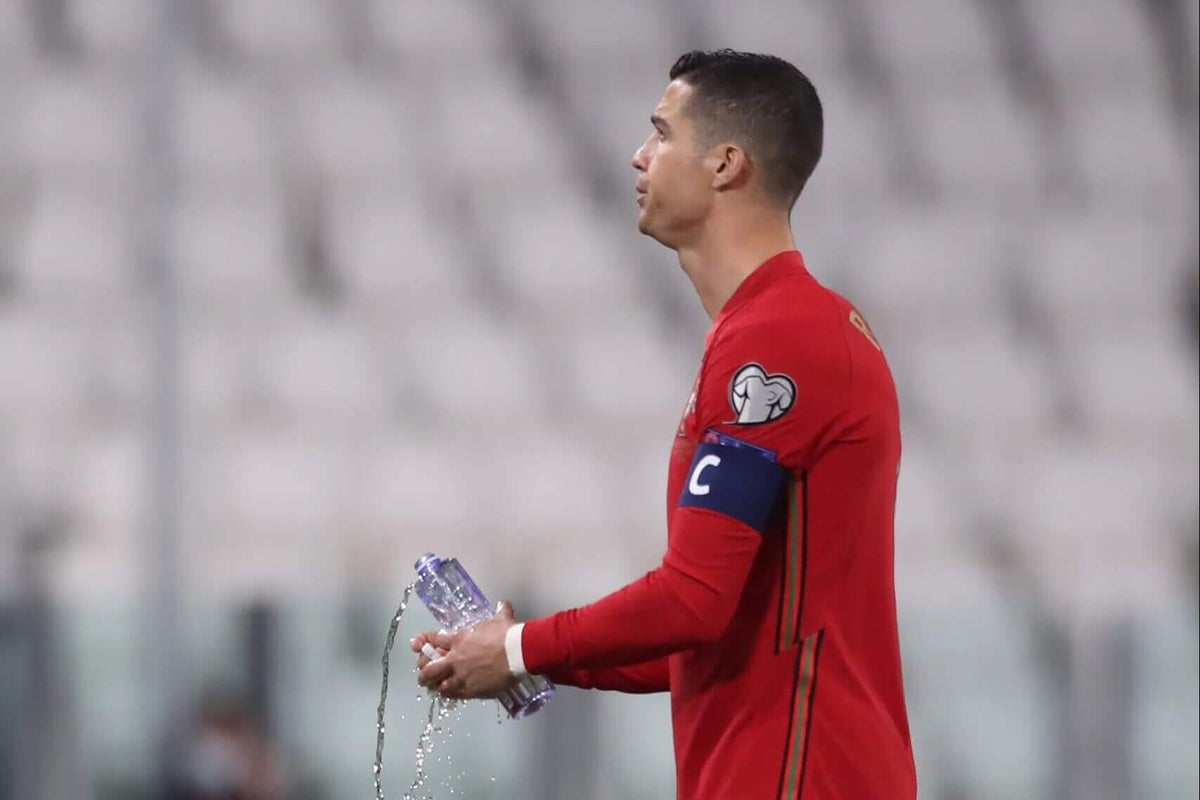
To be or not to be − water bottles are allowed at the FIFA World Cup this summer.Following backlash for stating that no water bottles would be allowed at the soccer tournament held across the United States, Mexico and Canada, the organization announced on June 5 that it was backpedaling. Though reusable, hard-sided bottles remain prohibited "due to safety and security reasons," each fan is allowed one soft, plastic, 20-ounce, sealed disposable water bottle at the tournament.In anticipation of the heat, FIFA is implementing a mandatory three-minute hydration break for the players at the midway point of each half for every World Cup match. These will occur regardless of temperature or venue.Attending a World Cup game? Here's what to know about the tournament's water bottle policy.What is the FIFA World Cup water bottle policy?Attendees will be allowed one soft, plastic, 20-ounce, factory-sealed disposable water bottle into any FIFA World Cup 2026 match in the U.S. and Canada, according to the FIFA statement.Why did FIFA change its water bottle policy?On June 4, FIFA announced that all water bottles were banned from the tournament to protect the health and safety of players, referees, fans, volunteers and staff, Reuters reported.The announcement was met with backlash, as fans prepare for hot temperatures throughout the tournament, with many pointing out that only five of the 16 tournament stadiums have a roof. During last summer's Club World Cup, fans and players struggled with extreme heat, with temperatures hovering around 90 degrees Fahrenheit.The new policy, which allows each attendee to bring one soft, plastic, 20-ounce, factory-sealed disposable water bottle, was announced just a day after the initial announcement.What type of water bottles can you bring to the FIFA World Cup?Per FIFA guidelines, attendees are allowed one soft, plastic 20-ounce, factory-sealed disposable water bottle. However, all U.S. venues are NFL stadiums that have their own water bottle rules.For example, the policy at Arrowhead Stadium in Kansas City, Missouri, is similar to FIFA's. "Glass, metal, plastic thermos, cups, bottles or flasks" are prohibited.But at MetLife Stadium in East Rutherford, New Jersey, where the final will be held in July, both disposable and reusable water bottles are allowed, given that disposable ones are unsealed and reusable ones are empty upon entry.Can you refill water bottles at the FIFA World Cup?Yes, attendees can refill their plastic, disposable water bottles at drinking water stations in the stadiums.How much does it cost to buy a water bottle at the FIFA World Cup?There is no set cost for a bottle of water at FIFA World Cup concession stands. Pricing is dependent on the stadium.What is the weather forecast for the FIFA World Cup?Here's a quick look at the average summer temperatures for the U.S. cities hosting the World Cup this summer, according to historical data from the local National Weather Service offices:Atlanta: Half of the World Cup window may reach 90 degrees Fahrenheit or higherBoston: A third to half of the World Cup window may reach 85 degrees Fahrenheit or higherDallas: Sustained extreme heat anywhere between 91 and 95 degrees Fahrenheit or higherHouston: Sustained high heat between 90 and 93 degrees FahrenheitKansas City, Missouri: Anywhere between 84 and 89 degrees FahrenheitMiami: Consistent temperatures between 88 and 89 degrees FahrenheitLos Angeles: Move from mild-warm at 77 degrees Fahrenheit to solid summer warmth at 82 degrees FahrenheitPhiladelphia: Steadily warming temperatures from about 82 to 87 degrees FahrenheitRutherford, New Jersey: Consistently hot with temperatures between 81 and 86 degrees FahrenheitSan Francisco: Consistently mild temperatures between 66 and 66 degrees FahrenheitSeattle: Shift from comfortably mid-70 degrees Fahrenheit to warm-but tempered at 75 degrees FahrenheitWhat other items are prohibited at the FIFA World Cup?FIFA and the hosting stadiums have their own list of prohibited items. Here's a look at what else is prohibited, per FIFA:Weapons of any kind, mace and pepper spray, and other chemical irritantsExplosivesOther objects that could be used as a weapon or projectile, such as golf umbrellas, motorcycle helmets and hard hatsWork tools of any kindBody protection gear, including bulletproof vestsHelmets of any kind, except for religious headwear, medical masks and face shieldsObjects that result in the generation of smoke, heat or flames, except cigarettes and electronic smoking devices, like vapesToxic, radioactive and corrosive materialsSpray cans and flammable substancesSports equipment like inflatable balls, darts and frisbeesOther inflatable objects, like balloonsStrollers, bicycles, rollerblades, skateboards and scootersLarge (exceeding 29.5 inches in height) items like stairs, benches and boxesNon-transparent bagsSignificant quantities of paperPowdery materials of any kindAlcohol and liquids containing alcohol, except hand sanitizerFood items of any kind, except if medically required or for babiesDrugs, narcotics or stimulants of any kind, except if medically requiredGreta Cross is a national trending reporter at USA TODAY. Story idea? Email her at gcross@usatoday.com.Brandi D. Addison is the Weather Connect reporter for the USA TODAY Network.