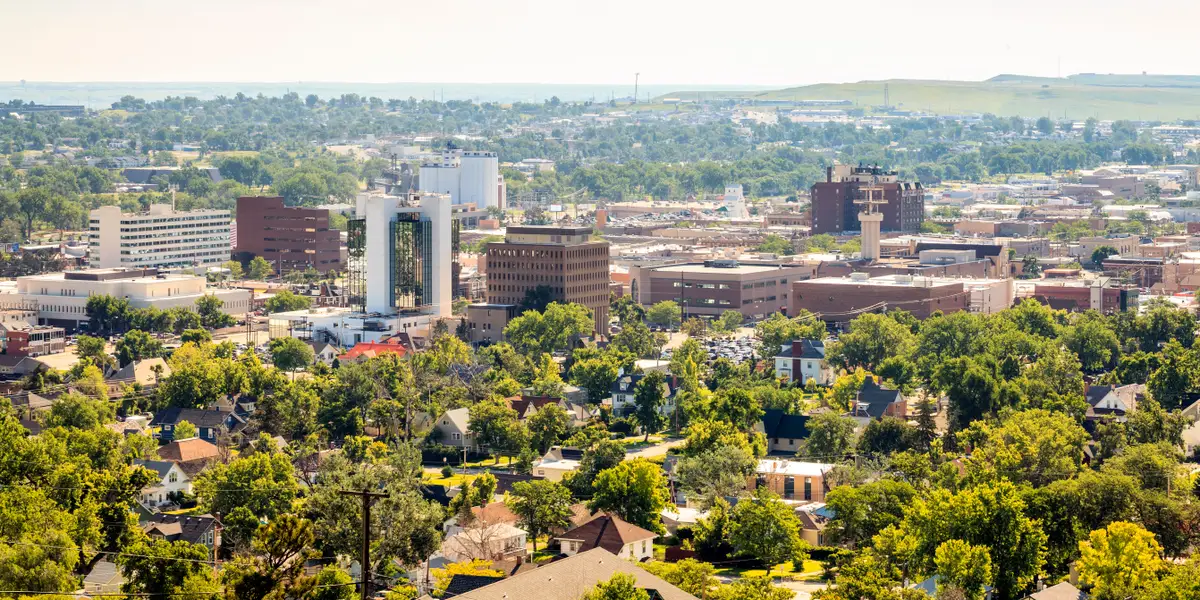
Maryland has the highest median income for adults with some college or an associate degree.
Sean Pavone/Getty Images
The cost of higher education across the US continues to rise, and for many Americans, the decision to pursue a four-year degree is as much a financial calculation as an academic one.Some of the benefits of a college education are intangible, such as the development of character, independence, and critical thinking that come from four years of organized instruction.But going to college can also lead to an earnings premium. Across the US, bachelor's degree-holders earn an average of 38.6% more than adults with an associate degree or those who attended some college but did not complete a four-year degree.That translates to an average earnings gap of about $18,539 a year across states.Business Insider analyzed earnings data from the US Census Bureau's 2024 American Community Survey and ranked states by the median earnings for adults 25 and older with some college or an associate degree, to account for people who may have pursued careers in more technical trades after graduating from high school. We also identified the median earnings for high school graduates in each state.Across all states, higher levels of education were largely associated with higher median earnings.The ranking does not adjust for differences in cost of living across states, which often overlap with educational attainment levels and can affect how far those earnings go. States with large professional labor markets are often ranked among the highest-cost-of-living states.Still, for people who decide to forgo a four-year education, these are the states ranked by median earnings, from lowest to highest.