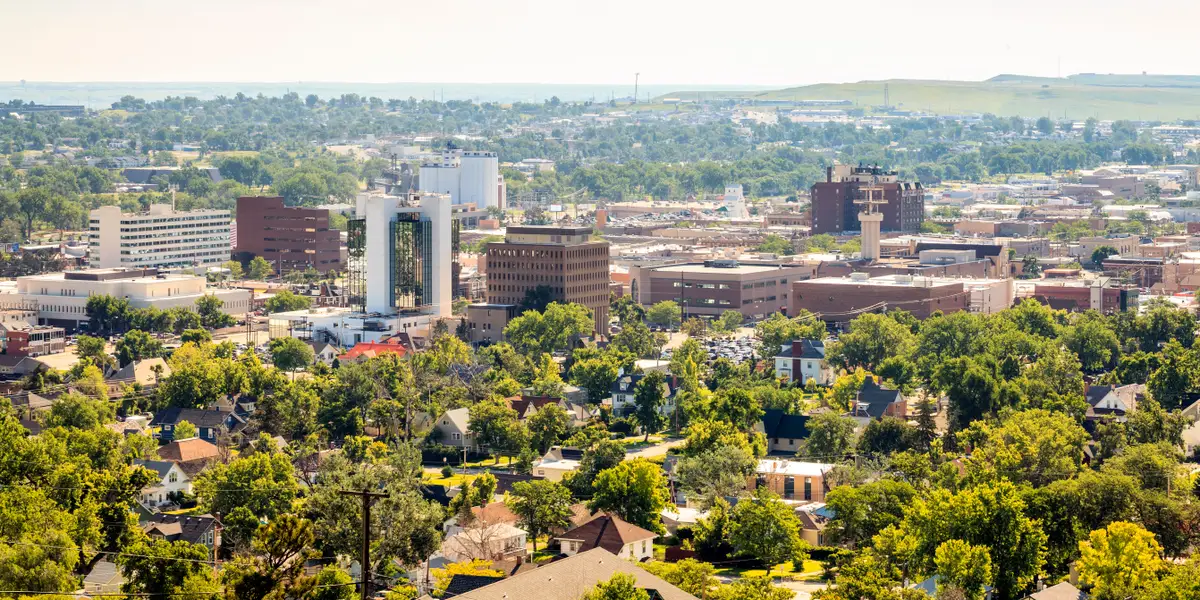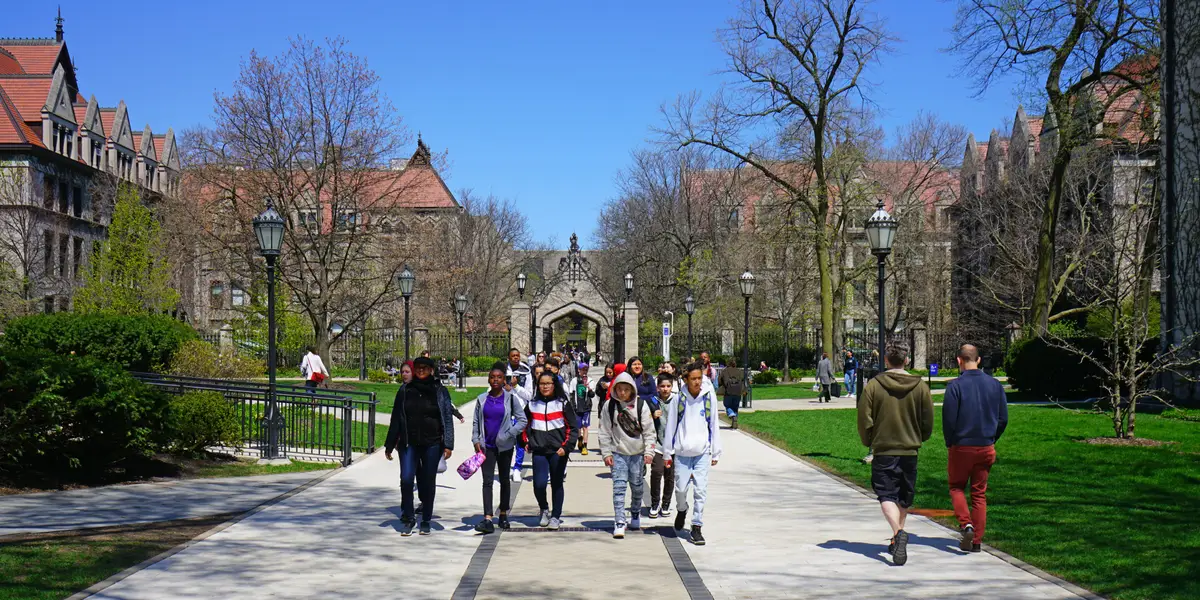
The US average of adults aged 25 and older with a bachelor's degree or higher is 36.8%.
Leigh Trail/Shutterstock
Access to higher education varies widely across the US.Some states and cities have an abundance of prestigious schools and universities, while others rely on a smaller number of large public institutions to educate their populations.The importance given to a college degree also varies by state, region, and individual career path.For some, graduate degrees are a symbol of success and a gateway to high-earning careers. Others may prioritize technical education or trades programs, especially in places where local labor demand is less centered on fields that require advanced academic credentials.Business Insider analyzed the latest US Census Bureau data on the percentage of adults 25 and older in all 50 states who have earned a bachelor's degree or higher. We used that measure to rank the states by educational attainment for this list.Associate degrees were not included in each state's ranking, but Business Insider also reviewed those figures to highlight where two-year credentials are more common, helping show how residents in different states may prioritize different levels of education.In some cases, states with low shares of bachelor's and graduate degree holders have higher rates of adults with associate degrees. The trend is also evident in the inverse: Some of the most educated states, in terms of bachelor's degrees or higher, also have some of the lowest rates of associate degree attainment.Here's every state, ranked from the lowest share of adults with at least a bachelor's degree to the highest. See how the states compare.