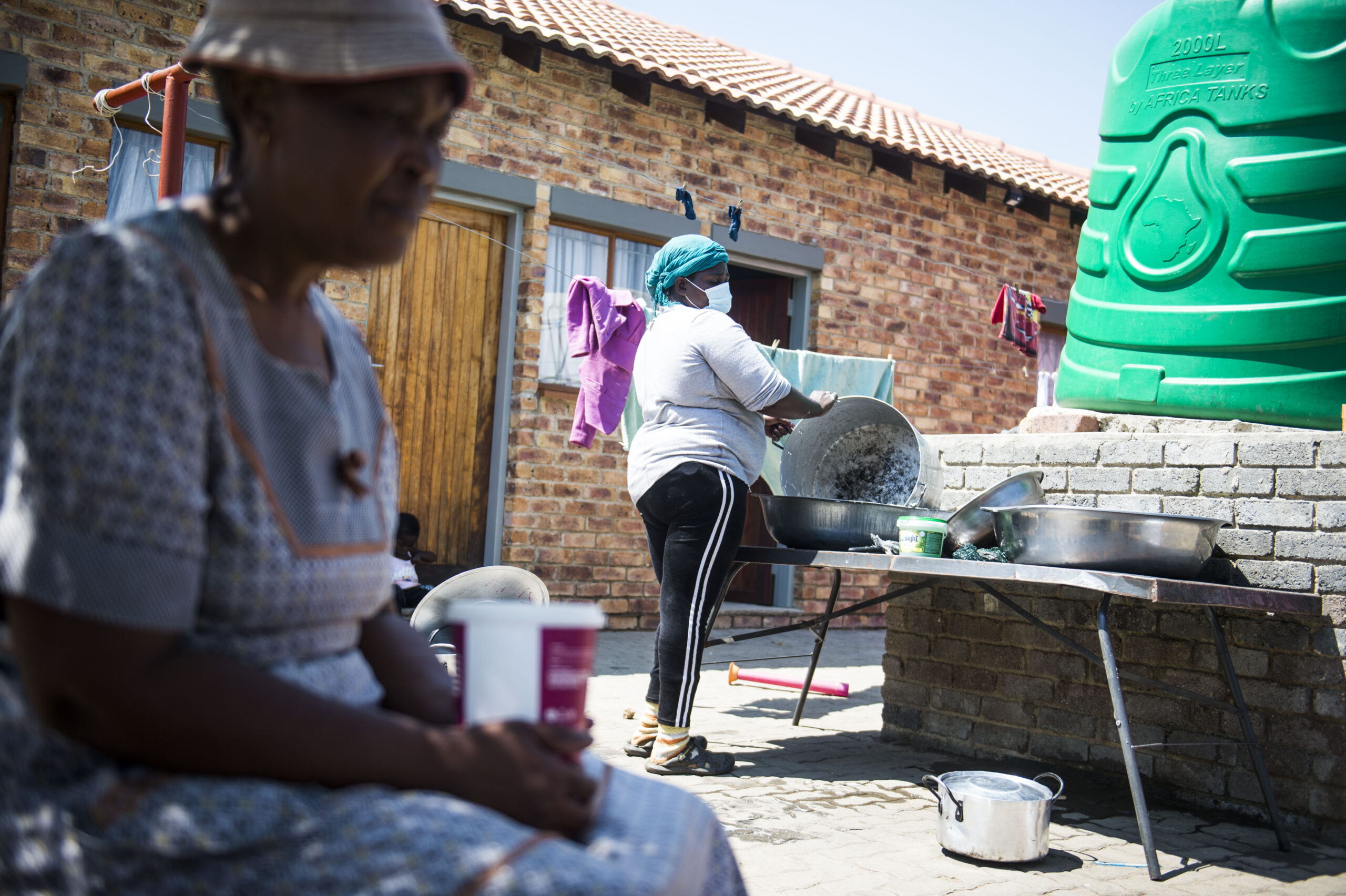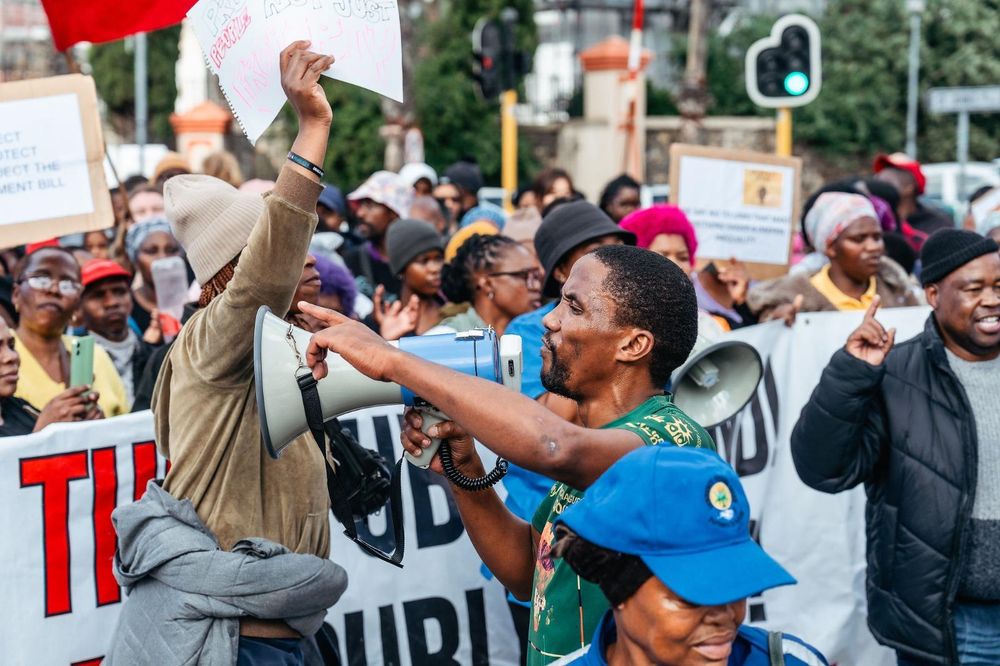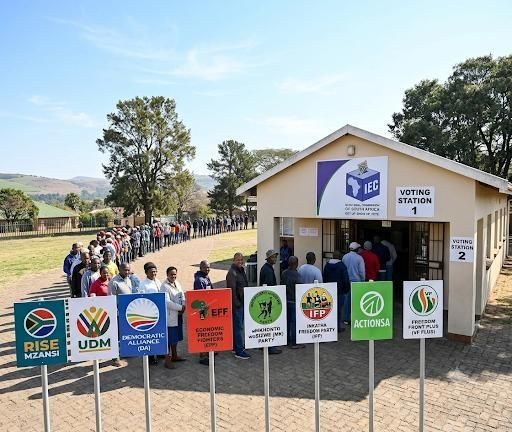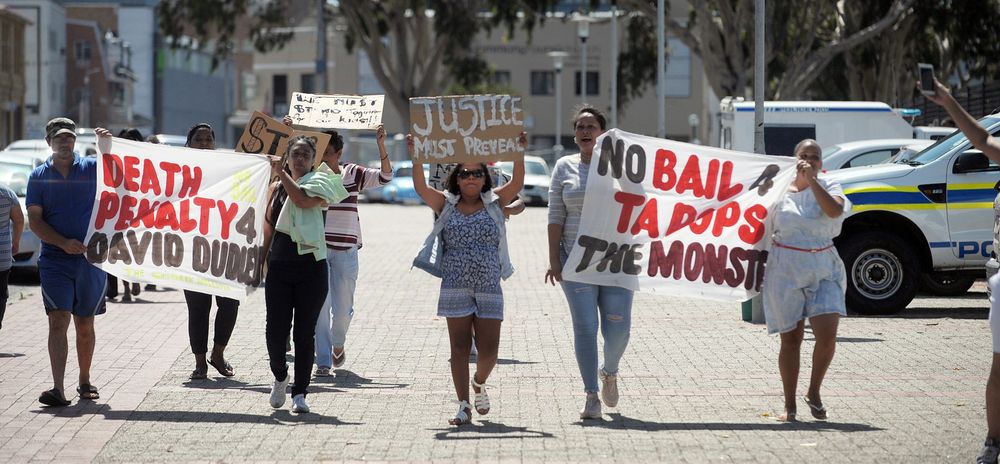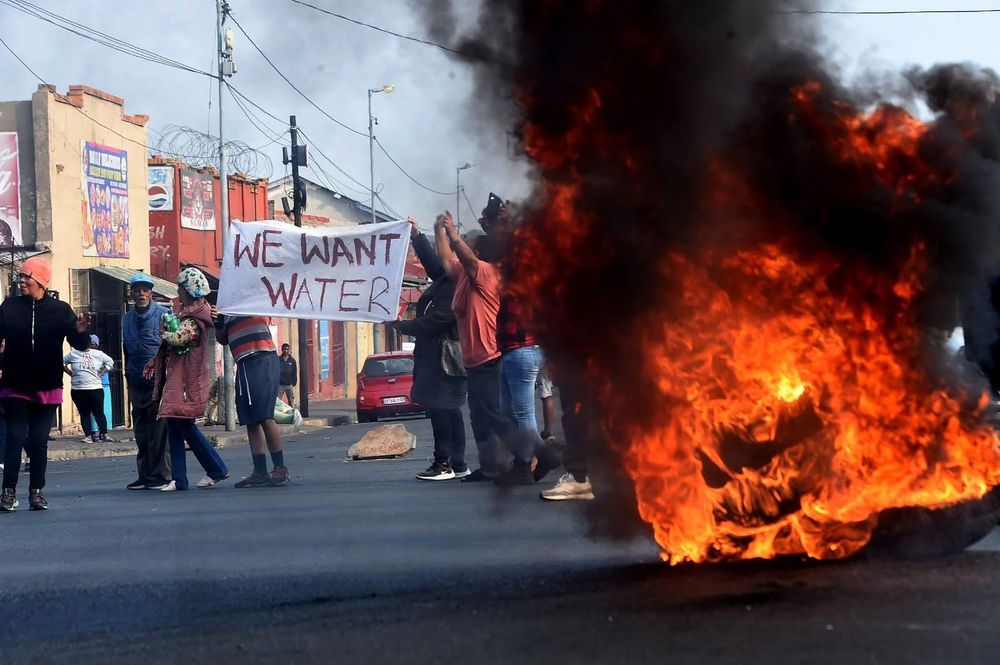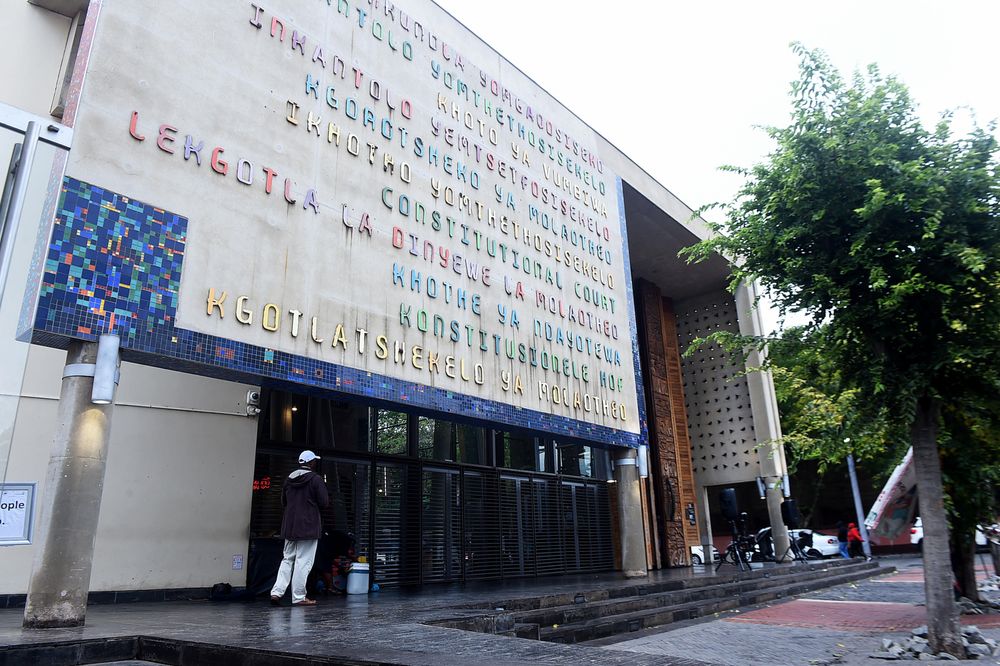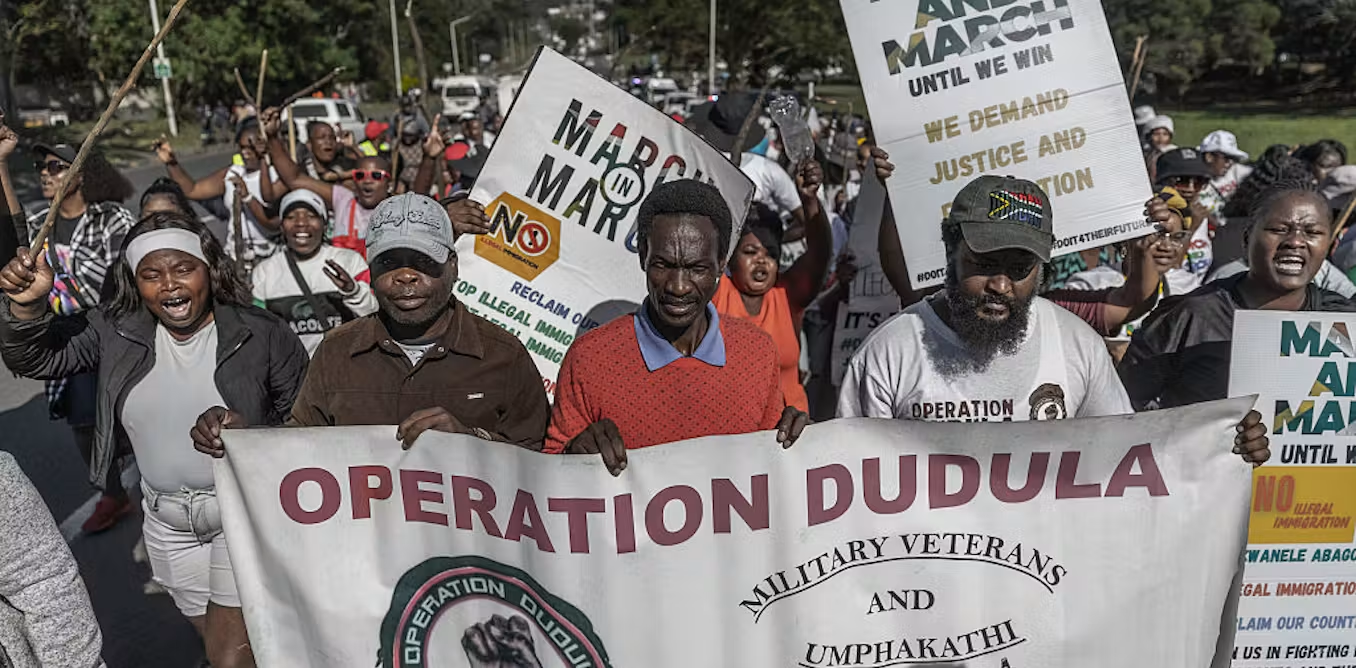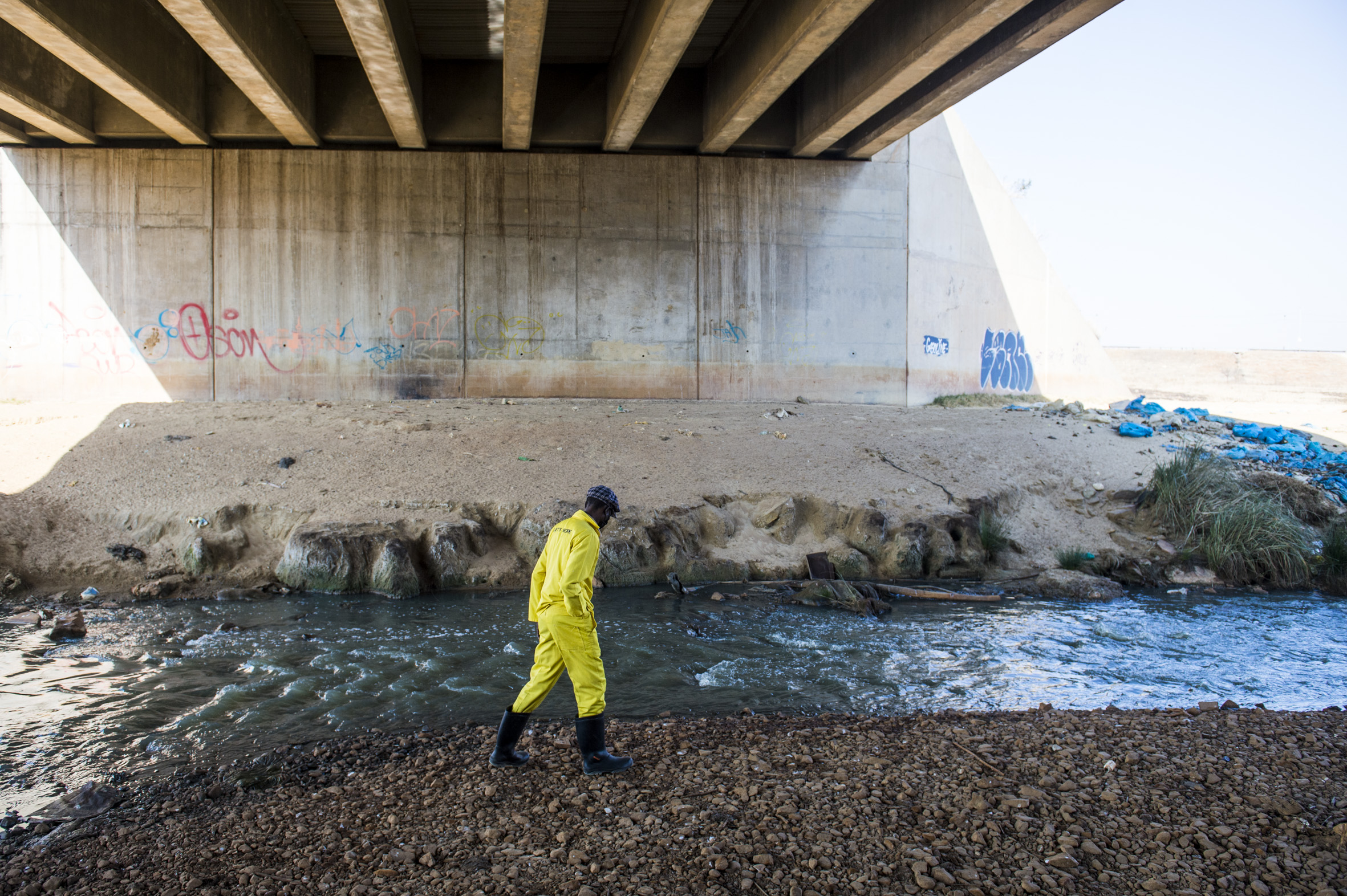
At its core, the Constitution is meant to serve those most vulnerable to exclusion: the poor, workers, rural communities, people living next to mines, refineries and industrial zones and those denied healthcare, clean water, decent housing and meaningful participation in decisions affecting their lives. It recognises that without dignity and material justice, freedom would remain incomplete. (Delwyn Verasamy/M&G)
There is a tired accusation that resurfaces every time communities resist pollution, challenge mining licences, oppose gas projects or question government decisions: communities and NGOs are “anti-development”.
It is an accusation designed to delegitimise dissent; to suggest that those raising concerns about health, livelihoods, land, water or democratic participation are obstacles to progress. But South Africa’s history tells a different story. In fact, many of the rights and freedoms people enjoy today exist because civil society organisations (CSOs) refused to remain silent when silence would have been easier and politically convenient.
To understand the role of CSOs, one must first understand what the Constitution was meant to do.
The Constitution was never written to comfort the powerful. It emerged from the violence and exclusions of apartheid as a system in which the law was used to deny dignity, land, healthcare, movement and political voice to most people.