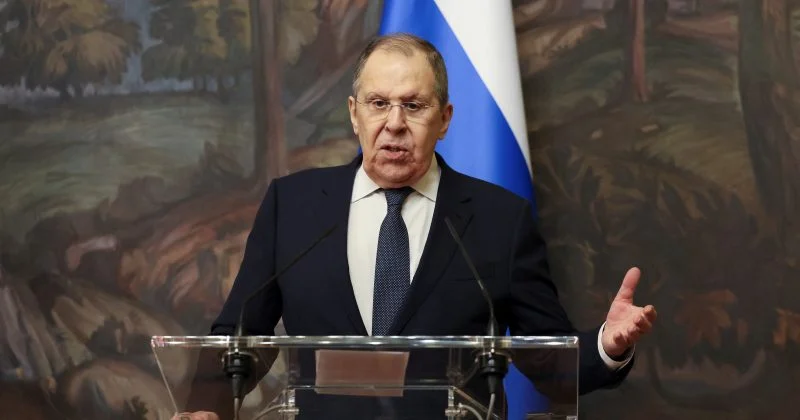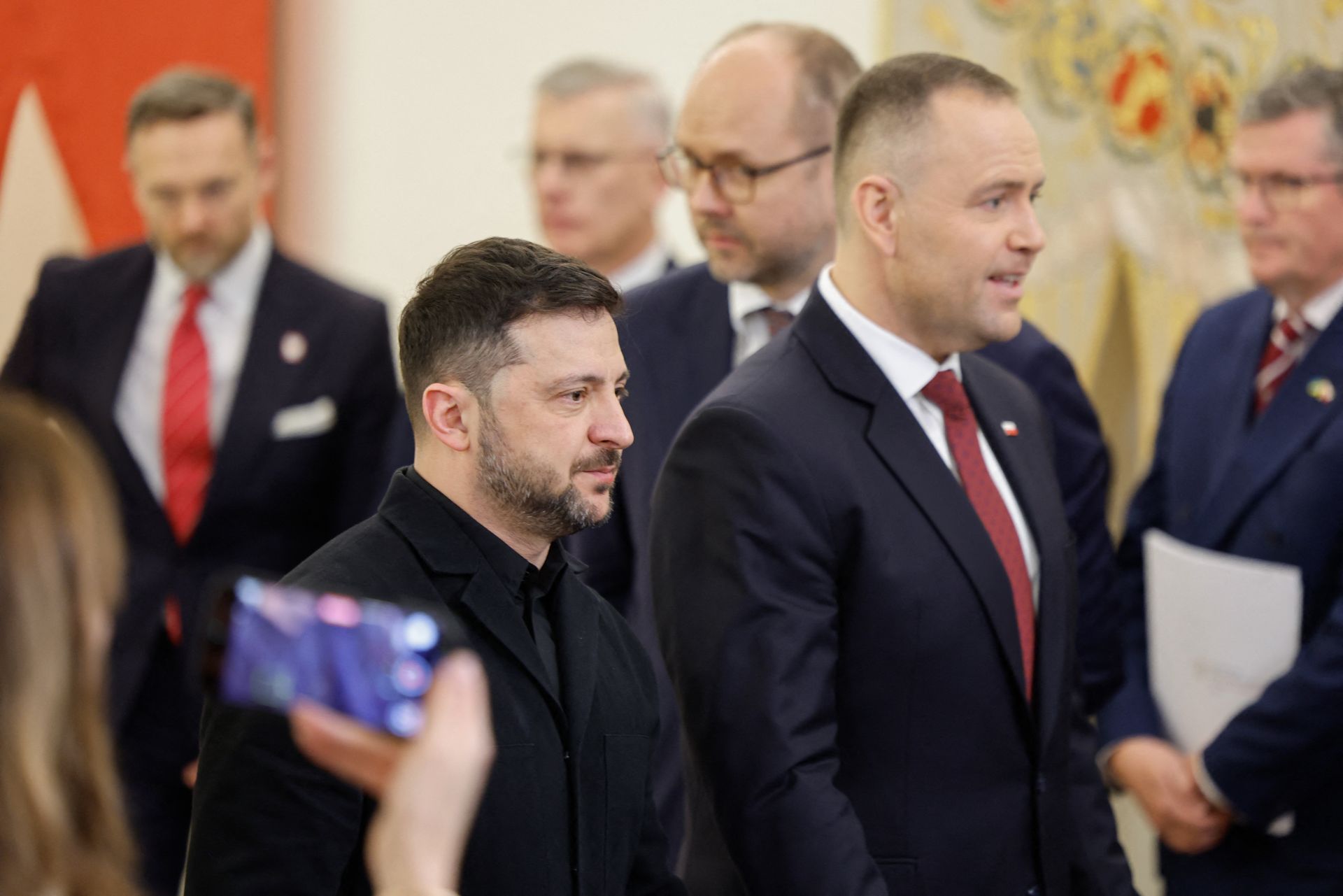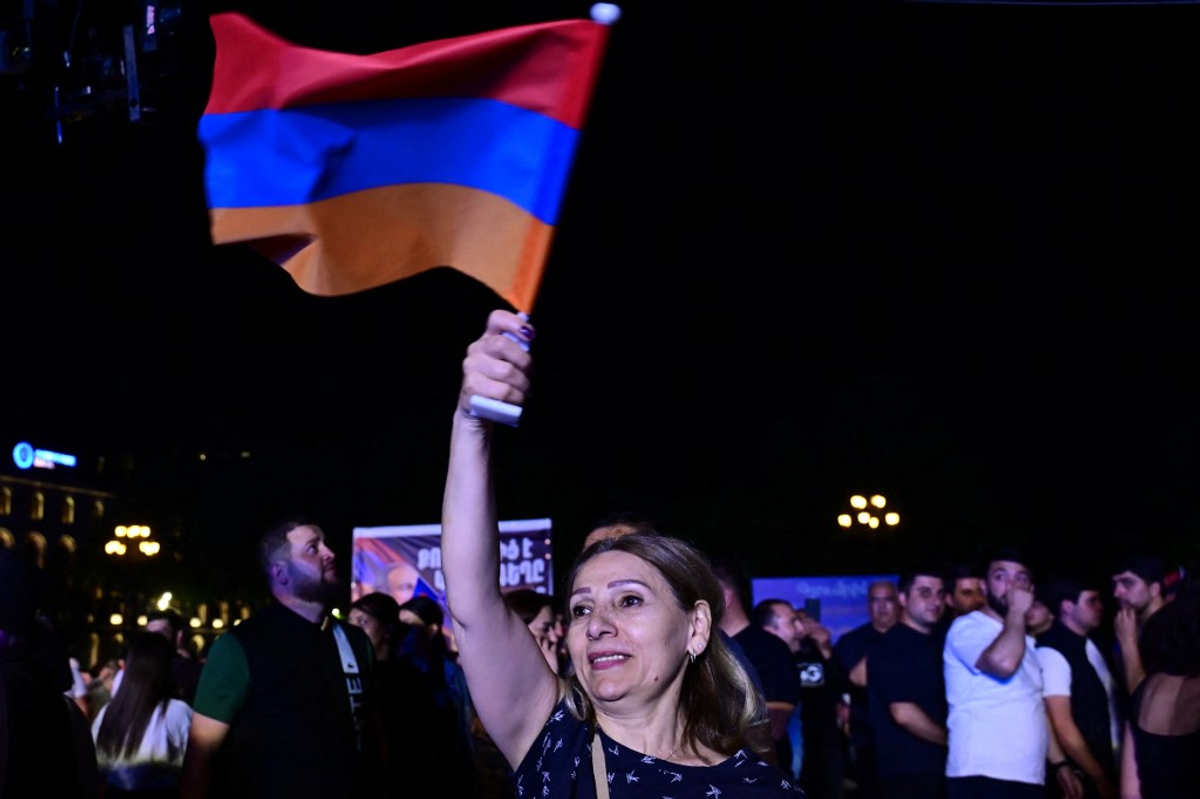
The results of Armenia’s parliamentary election, held on Sunday, are in. Incumbent Prime Minister Nikol Pashinyan’s Civil Contract party secured a decisive victory, winning 49.8% of the vote and 61 seats in parliament.JOIN US ON TELEGRAMFollow our coverage of the war on the @Kyivpost_official. Civil Contract received 727,160 votes, comfortably defeating Strong Armenia, the party associated with Russian-Armenian oligarch Samvel Karapetyan, which won 23.3% of the vote. The Armenia alliance of former president Robert Kocharyan, known for his close ties to Vladimir Putin, finished a distant third with 9.9%. Pashinyan described the outcome as a “historic victory” that guarantees the development and future of the Republic of Armenia. While Western governments and President Volodymyr Zelensky were quick to congratulate the prime minister on his victory, Moscow struck a markedly different tone. After spending more than a month attempting to undermine Pashinyan’s re-election through political pressure, economic threats, and support for his opponents, Russian officials responded by alleging – without presenting evidence – that the vote had been rigged. As of publication, the Kremlin has yet to issue a formal statement on the result. Yet the real significance of the election extends far beyond Armenian domestic politics: it was Armenian society’s answer to years of Kremlin intimidation, and, indirectly, to Ukraine’s decision to resist Moscow’s aggression.
Armenia Signals Shift Away From Russia Amid Russia’s Invasion of Ukraine
Nikol Pashinyan’s party secured an election victory, highlighting growing shifts away from Moscow’s influence.
1,568 words~7 min read