All-new Lab in Kenya Fills Critical Gap in Wildlife Health
PR Newswire
SAN DIEGO, June 8, 2026
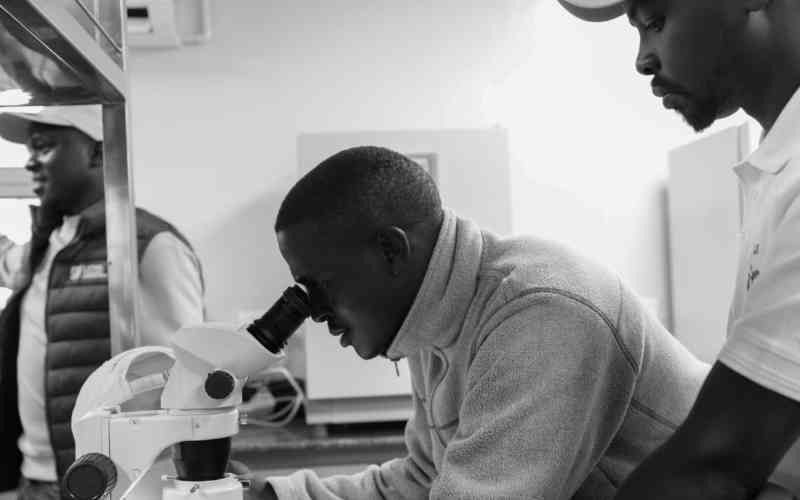
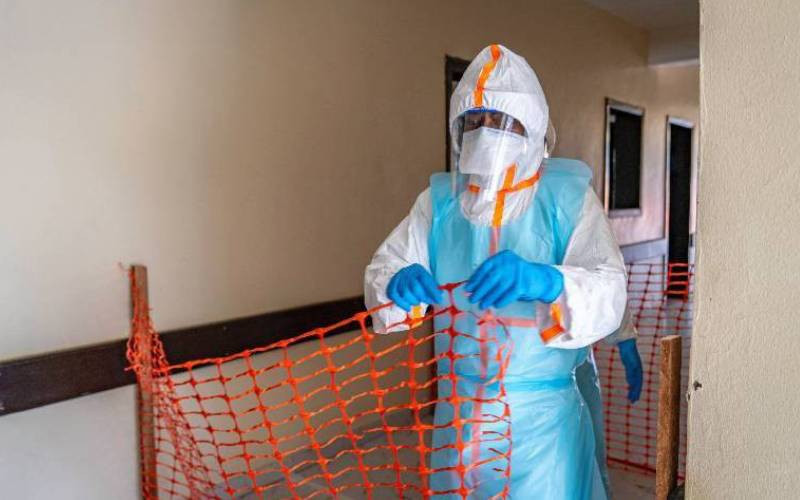
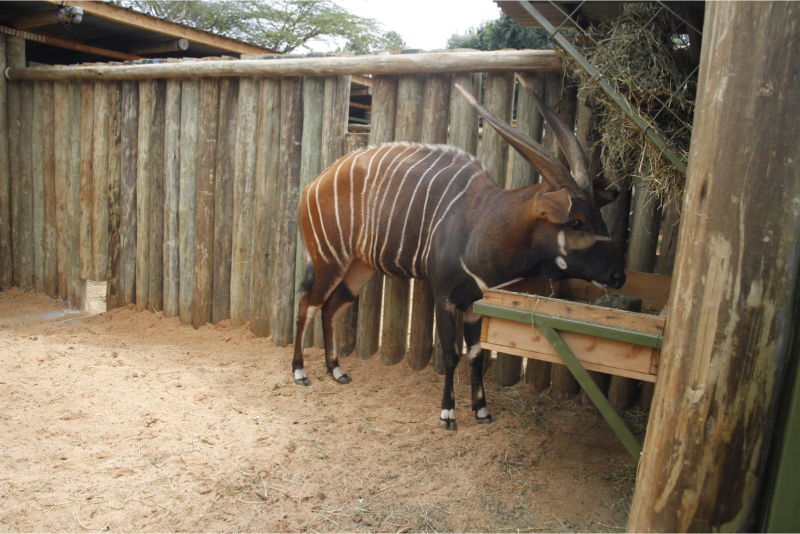
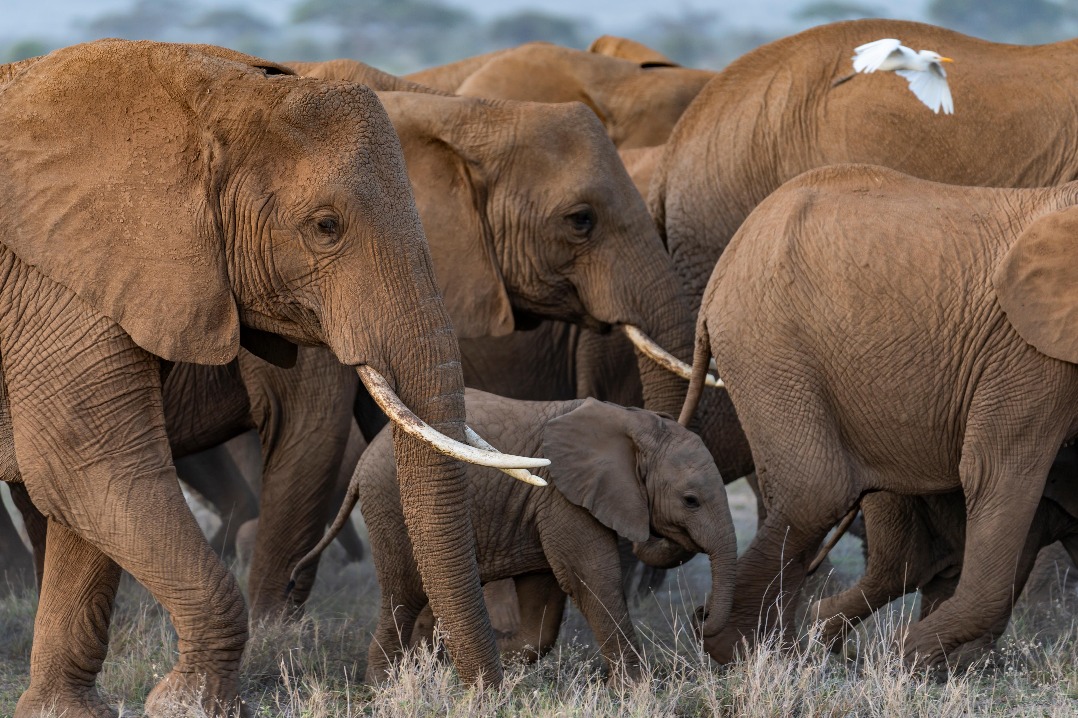
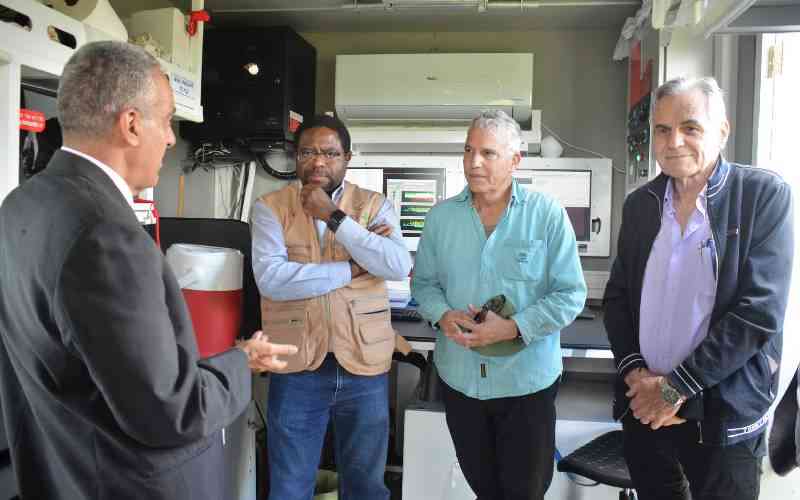
LiNK, a Kenya Wildlife Service Satellite Facility, Brings Veterinary Diagnostics to Earth's Most Iconic SpeciesSAN DIEGO, June 8, 2026 /PRNewswire/ -- Conservation stakeholders gathered to celebrate the official opening of the Laboratory in Northern Kenya (LiNK), an all-new veterinary diagnostic lab designed to fill a critical need for accessible diagnostic infrastructure in the remote region. The creation of the lab will improve conservation-led veterinary medicine in an area that is rich in wildlife biodiversity. LiNK was established through a highly collaborative partnership between Kenya Wildlife Service, the Wildlife Research and Training Institute, Lewa Wildlife Conservancy, Northern Rangelands Trust, San Diego Zoo Wildlife Alliance-Kenya, Rare Species Conservatory Foundation, and San Diego Zoo Wildlife Alliance.
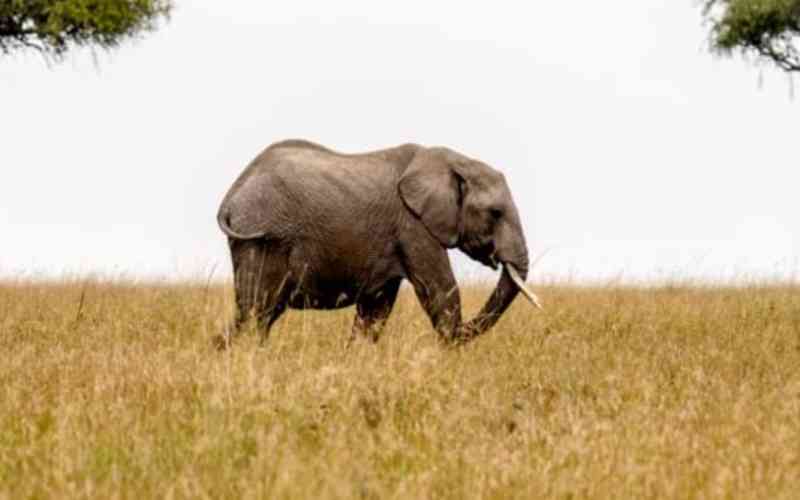
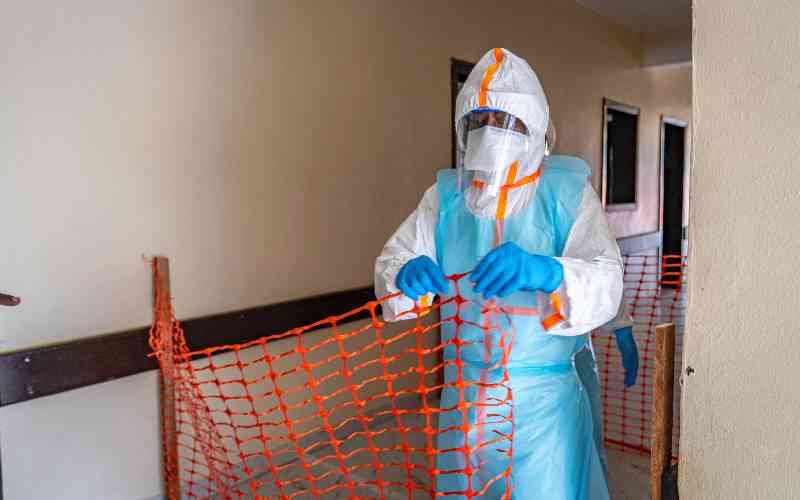
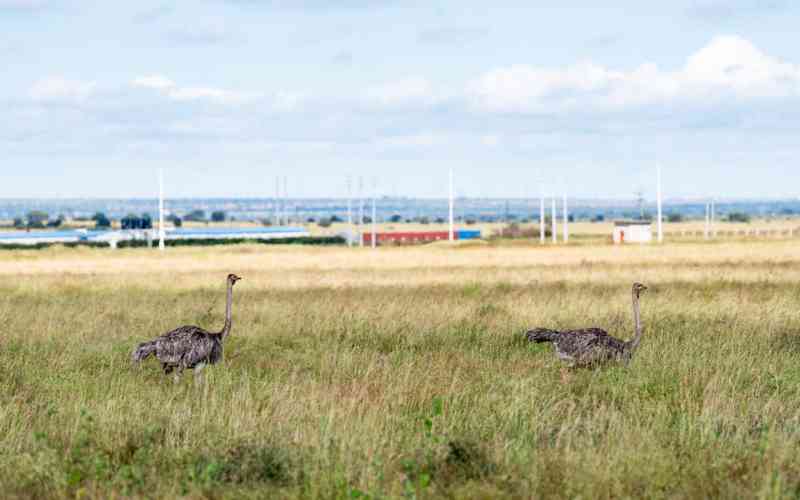
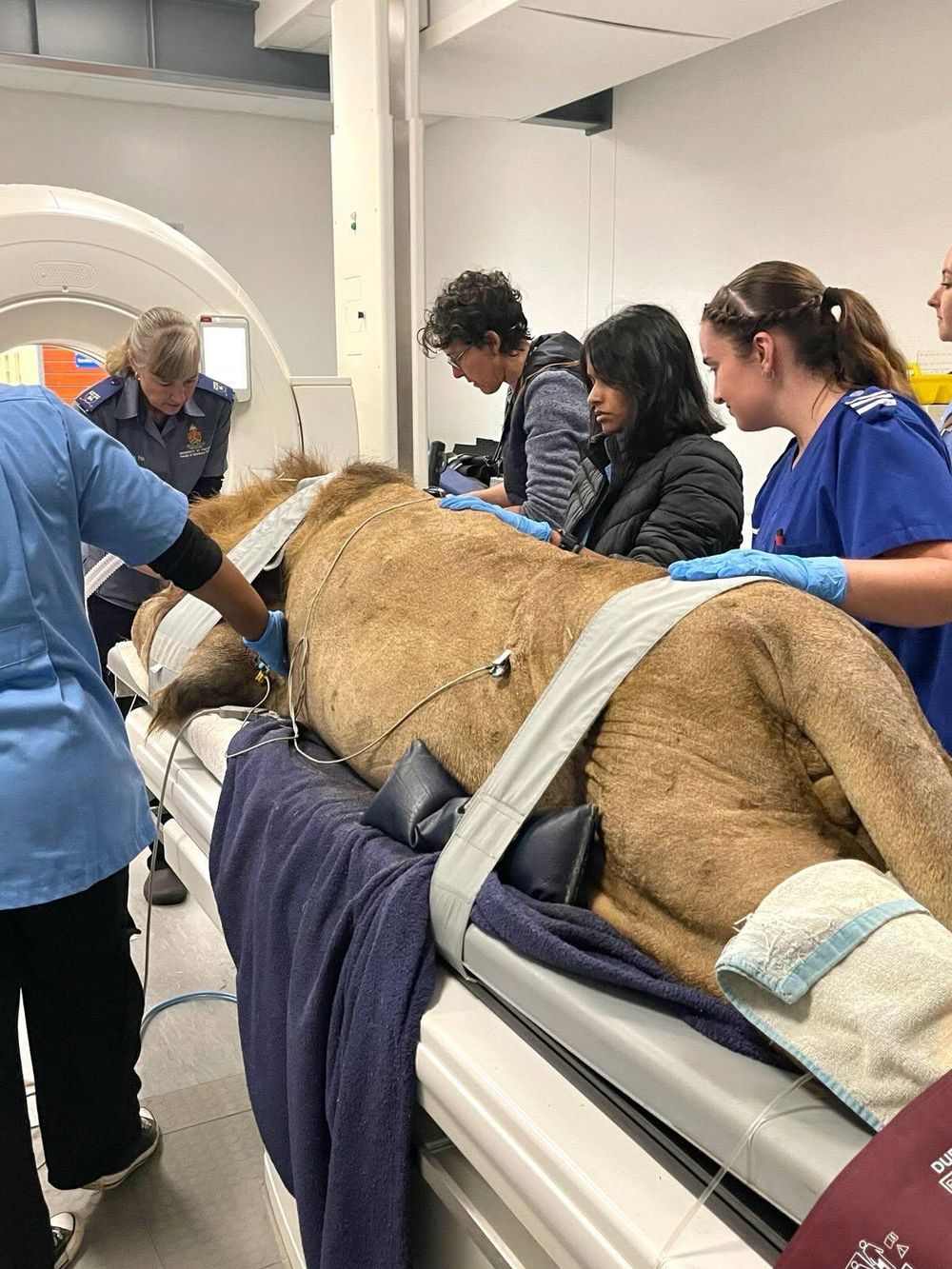
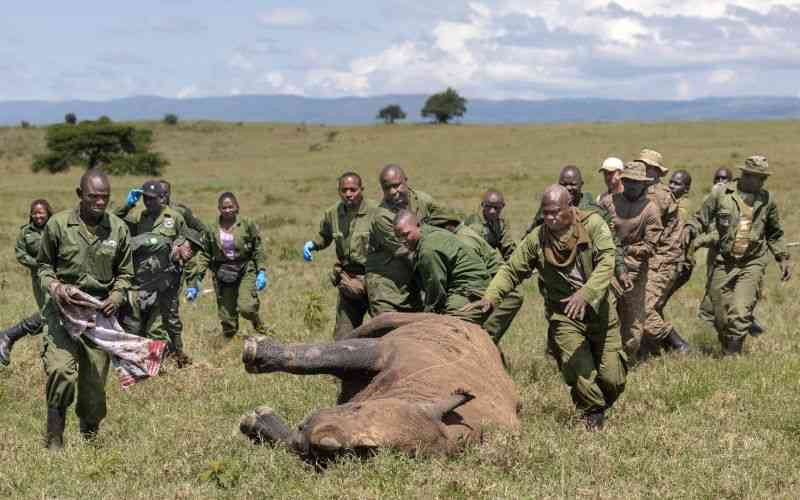
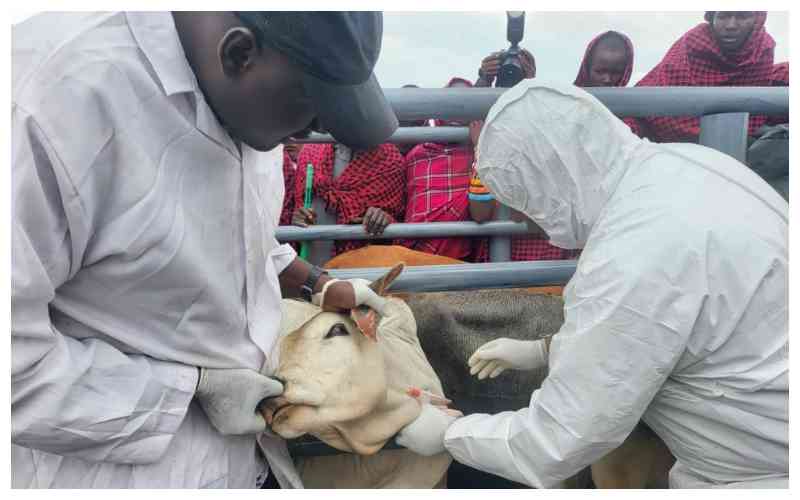
LiNK is a Kenya Wildlife Service satellite laboratory strategically positioned at Lewa Wildlife Conservancy to serve the wider northern Kenya landscape. The veterinarians and rangers—first responders for wildlife—working across the savanna ecosystem respond daily to serious health concerns including injuries, entanglements and disease outbreaks in wildlife and livestock. Often, teams need to obtain and analyze biological samples like blood, feces, or biopsy tissue to identify and treat the ailment. Prior to the establishment of LiNK, these necessary samples had to travel long distances for diagnoses. Placement of the lab at Lewa makes it an accessible resource to quickly receive, test and store biological samples from farther reaches of Kenya."The establishment of the Laboratory in Northern Kenya (LiNK) marks a significant milestone in strengthening Kenya's national wildlife health and conservation infrastructure," said Prof. Erustus Kanga, Director General, Kenya Wildlife Service. "As Kenya Wildlife Service, our mandate is to conserve and protect wildlife and their habitats, and this facility enhances our capacity to respond swiftly to emerging wildlife health threats through science, innovation and strategic partnerships. LiNK will play a critical role in safeguarding biodiversity, strengthening ecosystem resilience, and supporting the coexistence of wildlife, livestock and communities across northern Kenya and beyond."LiNK is staffed by a specialized team responsible for receiving, processing, analyzing, and securely storing biological samples. They will work closely with Kenya Wildlife Service and the Wildlife Research and Training Institute to ensure the laboratory meets all national veterinary and scientific standards and certification requirements. With the team and equipment now in place, the lab will ensure all partners can quickly diagnose diseases and health conditions so that veterinarians can rapidly deploy treatment."Northern Kenya is home to rich biodiversity found nowhere else in the world, but wherever there are animals, there is a need for veterinary medicine," said Dr. Isaac Lekolool, Head of Veterinary and Capture Services, Kenya Wildlife Service. "The remoteness of these landscapes has historically limited timely access to veterinary diagnostics, often delaying treatment decisions and coordinated wildlife health responses. LiNK strengthens our national wildlife health infrastructure by bringing diagnostic capacity closer to the field, enabling faster response, stronger disease surveillance and improved protection for wildlife, livestock and communities alike."Additionally, LiNK will serve as a transitional repository for biodiversity banking materials that will then go onward to a national biobanking facility to be situated at the Wildlife Research and Training Institute in Naivasha. San Diego Zoo Wildlife Alliance is working closely with the Wildlife Research and Training Institute, and Kenya Wildlife Service to establish a biobanking network in the region, further linking rangers, veterinarians and scientists who support some of the world's most iconic wildlife. Expanding biobanking capacity across Africa is increasingly critical to strengthening biodiversity conservation, wildlife disease research, and long-term ecosystem resilience."The Institute reaffirms its full commitment to the success and sustainability of LiNK. We will ensure the lab becomes a centre of excellence in wildlife health research, a critical node in the national and regional disease surveillance system, and a platform for collaboration and innovation. We will play our roles through guiding priority research and surveillance agendas, ensuring alignment with the National Wildlife Research Agenda, and ensuring data integration into the National Wildlife Database among other areas," said Dr. Patrick Omondi, Director, Wildlife Research and Training Institute."Strengthening wildlife health systems is critical for safeguarding biodiversity, supporting ecosystem resilience, and enhancing preparedness against emerging infectious diseases that affect wildlife, livestock, and human populations," said Dr. Francis Gakuya, Senior Principal Research Scientist and Head, Wildlife Health and Laboratories, Wildlife Research and Training Institute. "The establishment of LiNK demonstrates the importance of partnerships in addressing complex conservation and health challenges through science, innovation, and coordinated action."Dr. Mary Agutu, CEO, Kenya Veterinary Board"LiNK strengthens national diagnostic capacity in a way that supports sound clinical decisions, responsible disease surveillance, and better health outcomes for wildlife, livestock and the ecosystems they share."Dr. Abraham Sangula, Senior Deputy Director of Veterinary Services"Veterinary laboratory diagnostic services are critical for animal health, food safety, disease surveillance, prevention and control in the country. Establishing animal health diagnostic facilities such as the Laboratory in Northern Kenya (LiNK) will enhance diagnostic services and support a One Health approach through strengthened collaboration and surveillance on domestic animals, wildlife, and zoonotic diseases."Dr. Stephen Chege, Director, San Diego Zoo Wildlife Alliance-Kenya "Disease can have serious impact on smaller populations and easily lead to local extinction. Rhinos, for example, are susceptible to clostridial infection that can lead to fatality in as little as 60 minutes. Early detection and diagnostics are the foundation of effective wildlife health care, turning field observations into faster decisions to stop further spread, implement preventative measures, and contribute to life-saving treatment and quicker recovery. LiNK brings critical scientific capacity closer to the wildlife, livestock, and communities of northern Kenya, strengthening our shared ability to protect biodiversity." Paul R. Reillo, Ph.D., President, Rare Species Conservatory Foundation"Successful wildlife conservation hinges upon accurately identifying problems and swiftly implementing effective solutions. Apart from direct anthropogenic impacts, pathogens, environmental stressors and injuries are major drivers of wildlife decline. LiNK is a gamechanger for wildlife health, benefitting both animals and their stewards by providing real-time diagnostic information to propel real-time veterinary intervention. For critical species-recovery and wildlife-management efforts, LiNK's services are simply invaluable. Rare Species Conservatory Foundation is delighted to support this exciting venture!"Shawn Dixon, CEO, San Diego Zoo Wildlife Alliance"LiNK reflects the leadership of Kenyan partners and communities, whose deep knowledge of these landscapes and experience coexisting with wildlife are central to this effort. By making diagnostic support more accessible, the laboratory helps meet an important regional need, providing timely information to inform care, improve disease monitoring and strengthen services alongside communities across northern Kenya, where the health of people, wildlife and livestock is closely connected."Vishal Shah, CEO, Northern Rangelands Trust "The establishment of the Laboratory in Northern Kenya (LiNK) is a significant milestone for conservation efforts across Kenya's rangeland landscapes. In remote ecosystems where wildlife, livestock, and communities interact closely, timely access to veterinary diagnostics is critical for effective wildlife health response and long-term ecosystem resilience. By bringing scientific and diagnostic capacity closer to the field, LiNK will strengthen disease surveillance, improve coordinated conservation response, and support the shared goal of healthy wildlife populations and thriving communities. Northern Rangelands Trust is proud to be part of this collaborative partnership advancing science-led conservation in Kenya."Mike Watson, CEO, Lewa Wildlife Conservancy"Lewa Wildlife Conservancy is delighted to host the LiNK, a landmark investment in the future of conservation across this region. Northern Kenya is home to some of the world's most iconic and threatened species, and the establishment of LiNK significantly strengthens our collective ability to respond rapidly to wildlife health challenges, disease outbreaks and other evolving risks facing wildlife and ecosystems across northern Kenya. This lab is a powerful example of what can be achieved through partnership, shared vision and long-term commitment to safeguarding Kenya's natural heritage for generations to come."PRESS ROOM: https://sandiegozoowildlifealliance.org/PR/Lab-in-Northern-Kenya-LiNKLink includes: B-roll and photos of the LiNK Lab opening ceremony on June 5, 2026B-roll and photos of the Laboratory in Northern Kenya (LiNK)B-roll and photos of wildlife in the regionPhotos of Mountain bongo, black rhino, African savanna elephant, reticulated giraffe, Grevy's zebra, leopard, and Ruppell's vultureTaped interviews with veterinarians, researchers and other partners who will utilize LiNKCONTACT: San Diego Zoo Wildlife Alliance Public Relations 619-685-3291 publicrelations@sdzwa.org sdzwa.org