Story audio is generated using AI
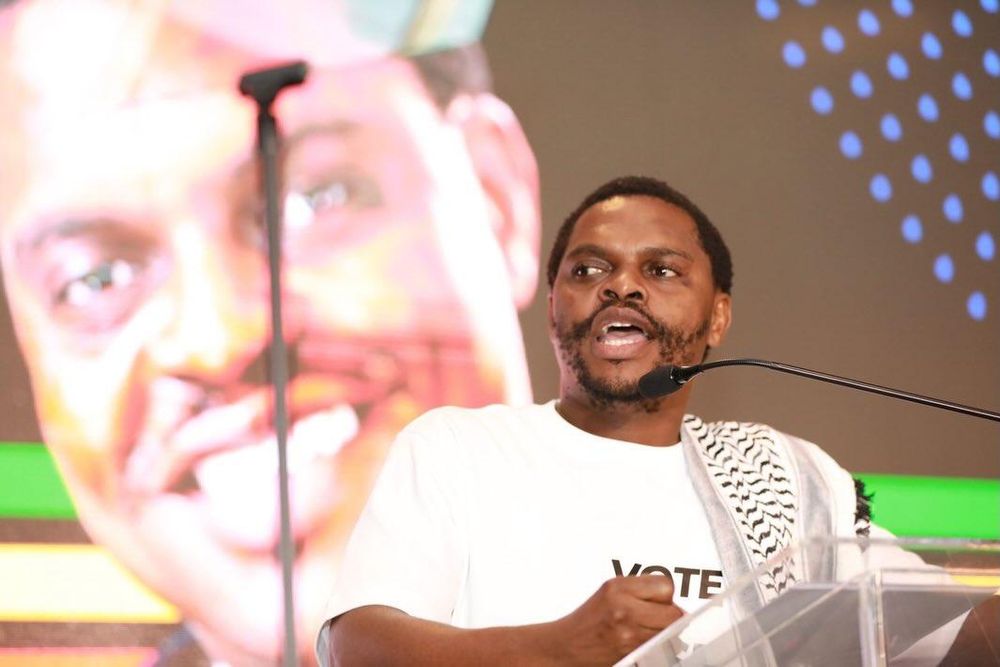
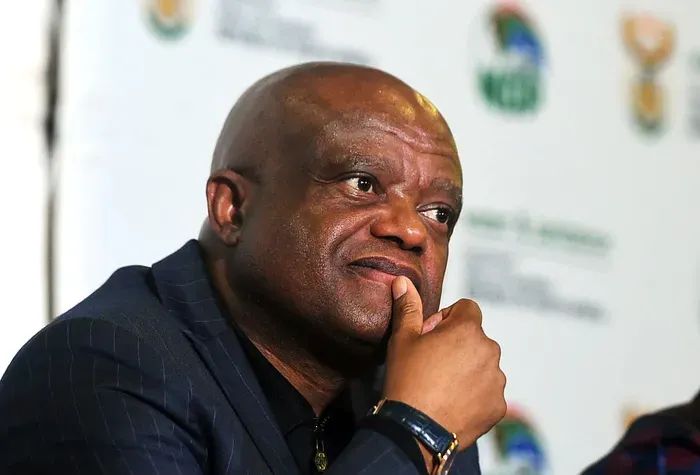
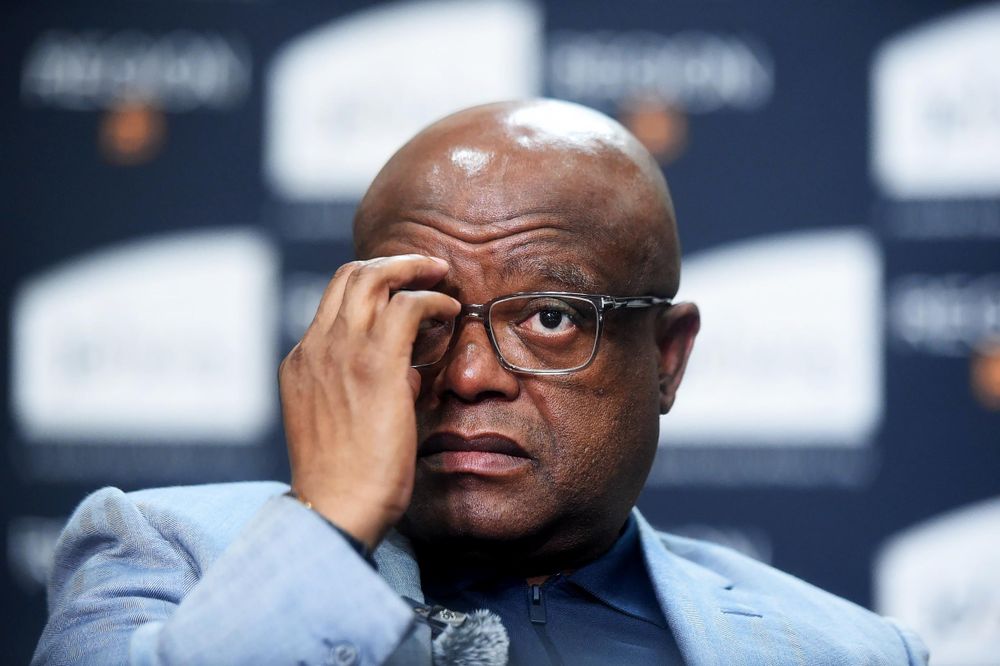
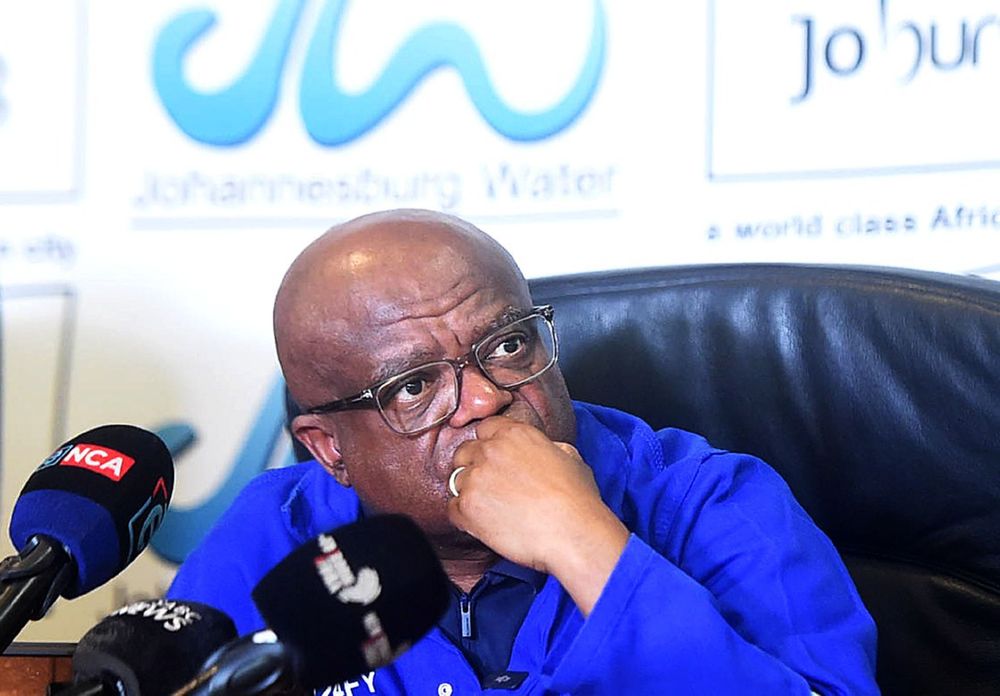
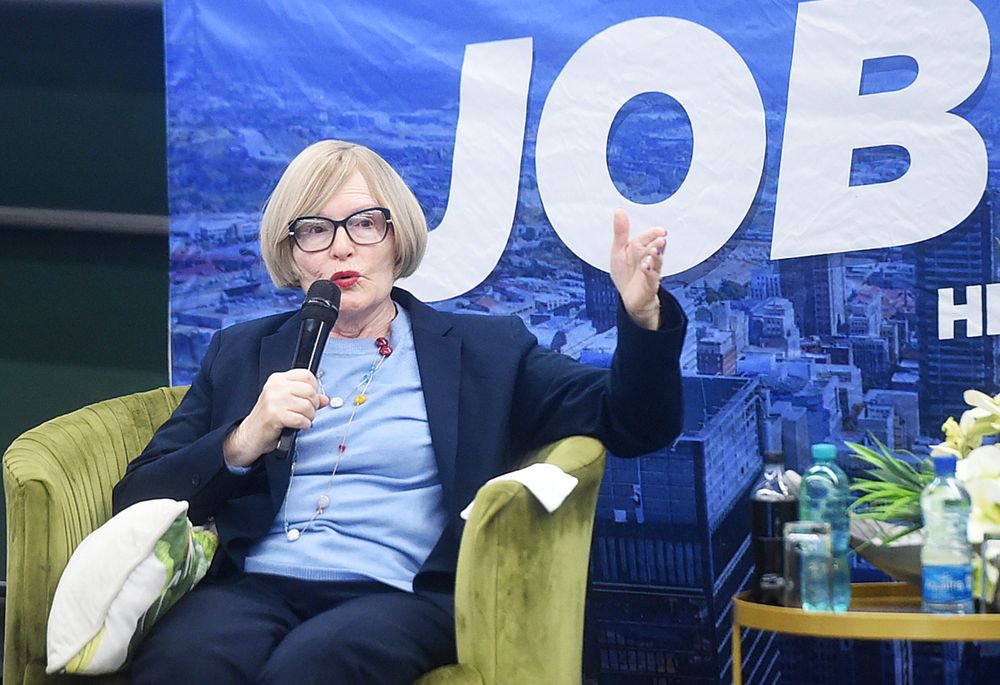
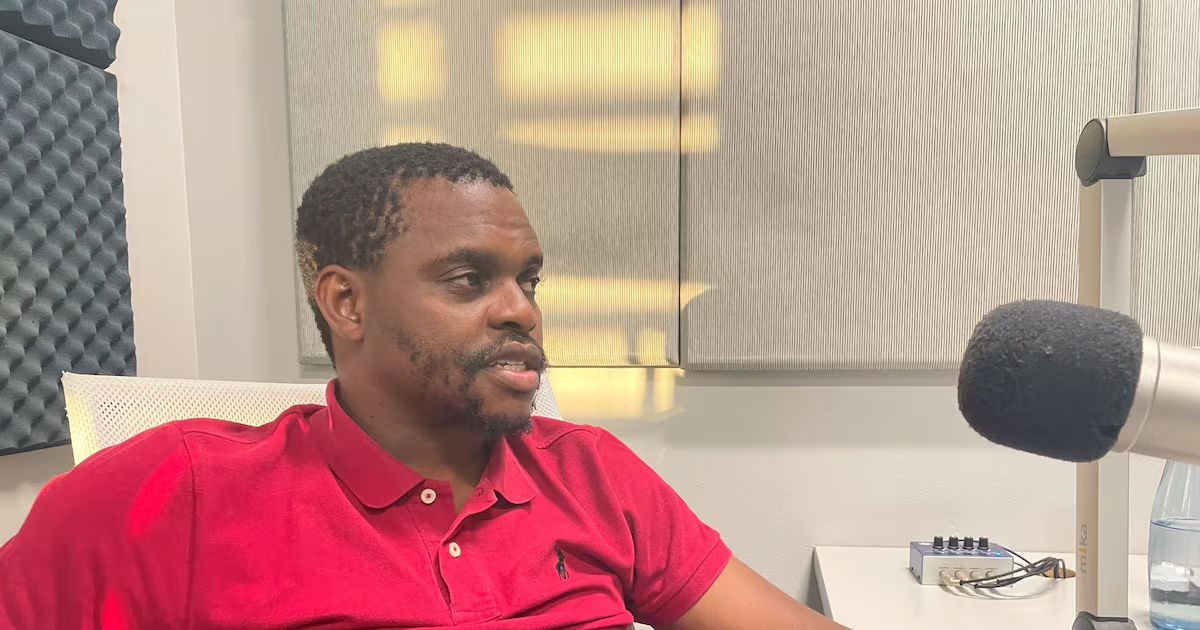
Rise Mzansi’s mayor candidate for Johannesburg, Lukhona Mnguni, has pledged to begin addressing the city’s deepening financial crisis within his first 100 days in office if elected to lead South Africa’s economic hub of about six million residents.He said a funded budget was needed to address the city’s financial crisis. The metro, which has a budget of R79.1bn for the 2026/2027 financial year, is dogged by an infrastructure backlog of more than R220bn. Business Unity South Africa president Mxolisi Mgojo, Business Leadership South Africa chair Adrian Gore and Business for South Africa steering committee chair Martin Kingston, in a bluntly worded joint statement last week, urged President Cyril Ramaphosa and the government to do all in their power to facilitate urgent reforms that city-level leadership has failed to deliver. They warned that the visible decline of Johannesburg, which accounts for about 16% of South Africa’s GDP, “undermines the national growth story at precisely the moment a more positive narrative is gaining credibility”. In an interview with Business Day TV last week, Helen Zille, the DA’s mayor candidate for Johannesburg, said the city is so broken it would be difficult for any administration to turn it around without help from business. Mnguni’s remarks come as Gauteng co-operative governance and traditional affairs MEC Jacob Mamabolo said recently he would not put the metro under administration, as it was working “hard” to address governance failures and financial challenges. The city is technically insolvent, as revenue collection levels do not meet budgeted targets, and it has an overexpenditure of about R3.9bn on employee-related costs, bulk electricity purchases, inventory consumed and operational costs. The council’s finances are severely constricted, with poor revenue collection resulting in its failure to meet service delivery targets. In April, GCR Ratings revised the city’s ratings outlook from stable to “rating watch negative” because of the metro’s delays in finalising its annual financial statements. The city, which has been battling water challenges, has an infrastructure backlog of more than R220bn. It owes Eskom R5.3bn plus a current account of R1.6bn. The municipality has long been plagued by crumbling roads and deteriorating water and electricity networks, prompting Ramaphosa, during an oversight visit to the city a year ago, to propose the establishment of a presidential working group. In a media briefing in Johannesburg on Monday attended by Rise Mzansi national leader Songezo Zibi, among others, Mnguni said fixing the city was a “very simple issue”, adding, “Political institutions require political leadership that is visionary, ethical and incorruptible. I bring level-headed temperament and steady hands that will foster a coalition that will last until 2031.” He stressed that Rise Mzansi would be represented in the Johannesburg council chambers after the November 4 local government elections. “So, let’s be clear about that.” He said passing a funded budget would require certain tradeoffs. The metro, under his leadership, would sort out challenges with billing, as that is where the “revenue base is”. He would also address leakages in the procurement value chain and also clean up the city, as it was “filthy”. Mnguni also promised a “watertight” water master plan to address water challenges. Water challenges saw parts of Johannesburg go without the resource for weeks on end earlier this year, prompting Ramaphosa to establish the national water crisis committee aimed at co-ordinating government efforts in addressing water scarcity around the country. Zibi said it was at the local government level where the promises of social democracy truly come alive. “This is where the ideals of solidarity, equality and dignity cease to be abstract political theories and become tangible, breathing realities in the lives of ordinary residents.“Local government is about the safety of the streets your children walk on, the cost of the bus that takes you to work, and the basic services delivered to your doorstep.”He said the working relationship between the GOOD party and Rise Mzansi means “we have a spread of elected public representatives across national, provincial and local governments, serving on the executive and opposition benches around Gauteng, the Western Cape, the Northern Cape, and the Eastern Cape”.“We cannot afford to look away, nor can we afford more of the same broken promises. Even as the harrowing revelations from various commissions of inquiry expose the deep betrayal of our public trust, we must remember the true soul of our nation,” Zibi said.“South Africa is not defined by its corruption but by its people, its resilience and the undeniable beauty of its communities and landscapes. These moments and places of hope are worth fighting for every day.”