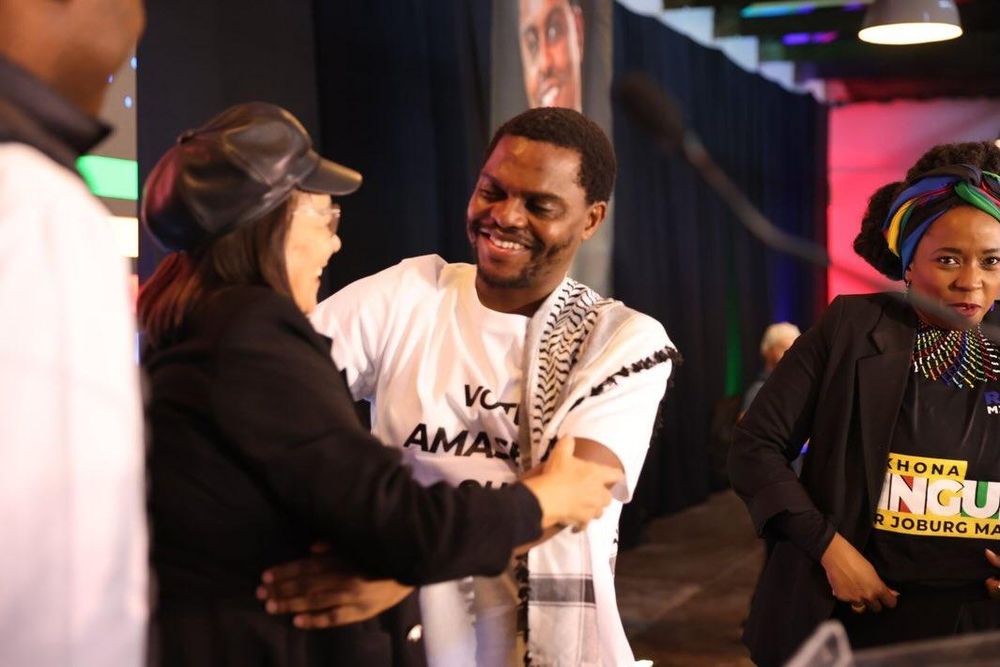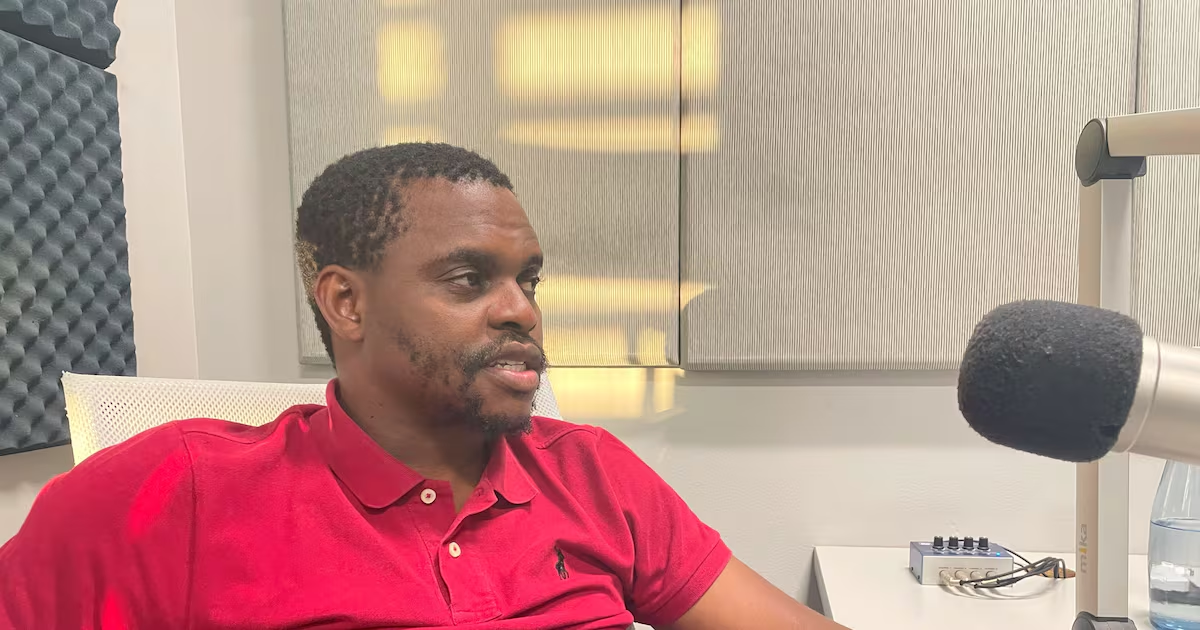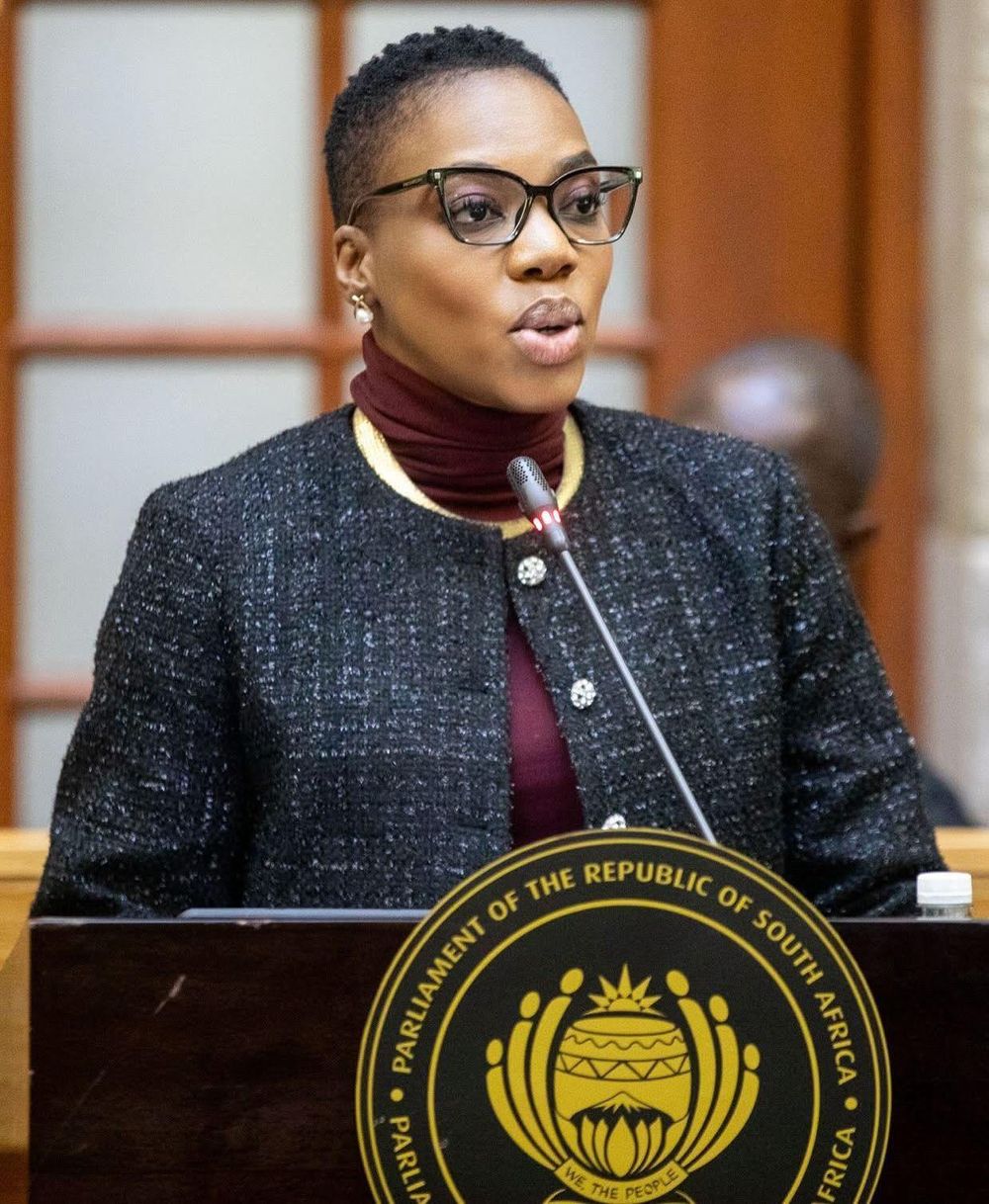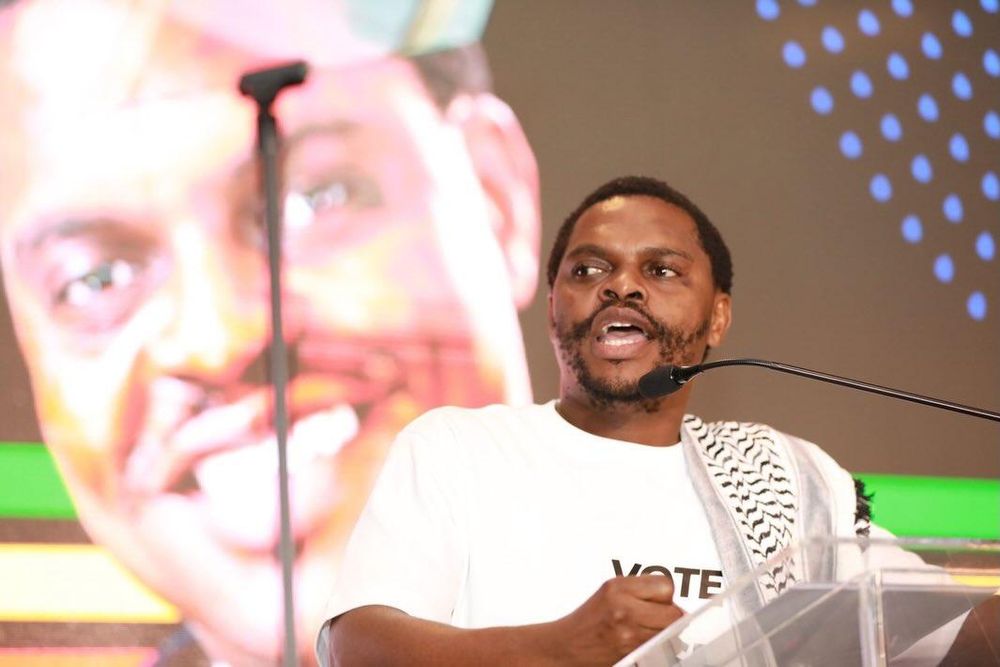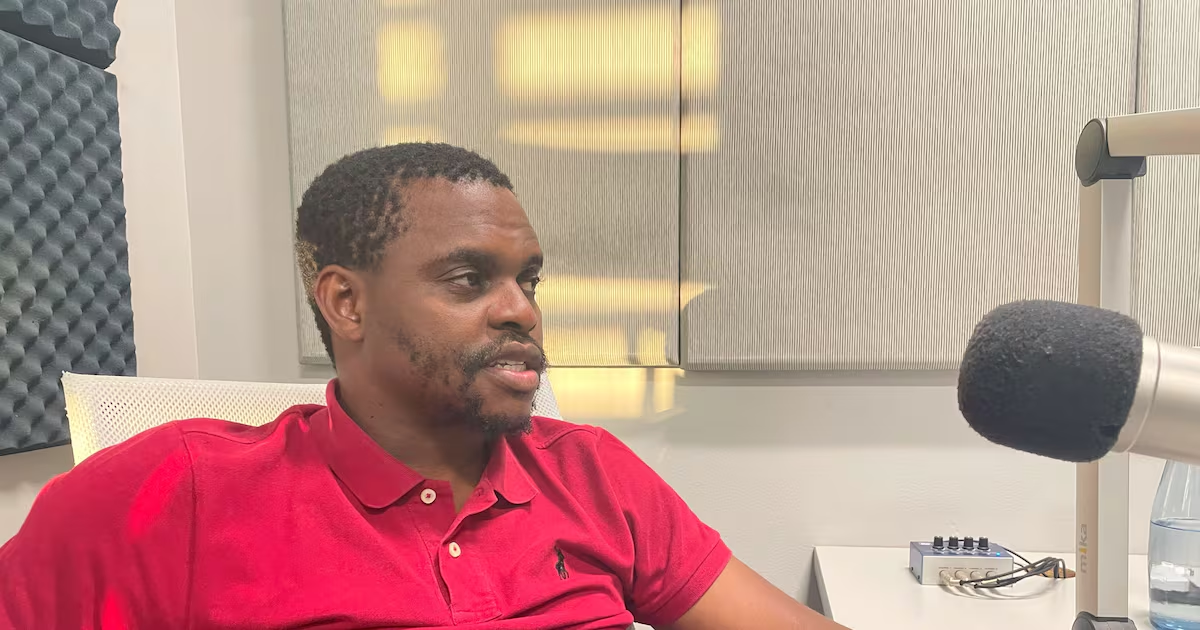
Rise Mzansi and GOOD will test the viability of their emerging political partnership in Johannesburg by backing political analyst and civil society activist Lukhona Mnguni as their joint mayoral candidate before this year’s local government elections.Neither party has the organisational reach or financial capacity to independently contest all 4,400 municipal wards across South Africa, making coalition building increasingly important as smaller parties attempt to consolidate support in urban centres where coalition politics has become entrenched.Johannesburg’s mayoral race is expected to become one of the most closely watched contests of the elections. The DA is fielding Helen Zille, while ActionSA leader Herman Mashaba is preparing a bid to return to City Hall. Other parties, including the ANC, EFF and MK party, are yet to formally announce candidates.Local Elections logo 2026 (Supplied) The Rise Mzansi and GOOD alliance brings together two smaller parties that were both folded into the GNU after the 2024 national election, despite their limited electoral support. Rise Mzansi secured 0.42% of the national vote and two seats in parliament in the 2024 election, while GOOD retained one parliamentary seat. Mnguni, who recently stepped down from his role as head of civil society organisation Rivonia Circle, said Johannesburg’s decline has been accelerated by political leaders who are “deliberately bankrupting” the city through the weakening of financial controls and administrative systems. He told Business Day that corruption and instability in the metro have hollowed out governance in Africa’s richest city while residents endure recurring infrastructure failures, water shortages and a prolonged billing crisis.His comments come as pressure mounts on the city over its finances and governance failures. Gauteng co-operative governance & traditional affairs MEC Jacob Mamabolo said Johannesburg will not be placed under administration despite acknowledging severe financial challenges facing the metro.Mnguni said Johannesburg requires a governance model that will allow greater private sector participation in municipal entities through public-private partnerships. Such arrangements, he said, could help attract investment in deteriorating infrastructure networks while improving operational efficiency in city-owned entities.The ANC’s political decline in the city has also been partly self-inflicted, Mnguni said, adding that voters no longer view SA politics as a contest solely between the ANC and the DA. Coalition politics and the emergence of smaller parties have created more alternatives for urban voters frustrated by years of instability and weak service delivery, he said.Mnguni has lived in Johannesburg since 2007 after moving to the city for his studies. His political background includes student activism and involvement in Congress of the People, the ANC breakaway party that failed to secure parliamentary representation in the 2024 national elections. He has not contested a ward election.
Rise Mzansi and GOOD bet on a civil society outsider to win Joburg
Parties will back political analyst and activist Lukhona Mnguni as mayoral candidate
436 words~2 min read