Most people have experienced it. A friend keeps making the same mistake, a partner repeats a frustrating habit, or a coworker ignores constructive feedback. The natural response is often criticism. We point out the problem, explain what's wrong, and hope the person changes.Yet psychology suggests that criticism is rarely the catalyst for lasting transformation.In fact, many psychologists believe people are far more likely to change when they feel understood rather than judged. While criticism often triggers defensiveness, empathy creates psychological safety, a condition that allows individuals to reflect on their behavior without feeling attacked.This doesn't mean people should avoid accountability. Instead, research suggests that understanding and validation often open doors that criticism keeps firmly shut.Psychology Says: Criticism activates the brain's defense systemOne explanation comes from research on psychological reactance, a theory developed by psychologist Jack Brehm. The theory suggests that when people feel their freedom or autonomy is threatened, they instinctively resist.You Might Also Like:In daily life, imagine a fictional employee named David who frequently arrives late to work. His manager repeatedly criticizes him in front of coworkers. Rather than improving, David becomes resentful and defensive. Psychology says the more you criticize someone, the less likely they are to change The criticism may contain valid points, but because it feels like an attack, his brain focuses on self-protection rather than self-improvement.Psychologists say this reaction is common. When people feel judged, they often spend more energy defending themselves than considering change.You Might Also Like:Psychology Says: Feeling understood creates psychological safetyModern psychology places significant emphasis on psychological safety, a concept popularized by organizational researcher Amy Edmondson. Psychological safety occurs when people feel accepted, respected, and safe enough to admit mistakes without fear of humiliation.Consider a fictional example. Sarah struggles with procrastination and repeatedly misses deadlines. Instead of criticizing her, a colleague asks what challenges she is facing and listens carefully.During the conversation, Sarah reveals she has been overwhelmed by personal stress. Feeling understood lowers her defensiveness and allows her to explore solutions honestly. The outcome is often different because empathy addresses the emotional barrier behind the behavior rather than simply attacking the behavior itself.Psychology Says: Carl Rogers believed understanding drives growthOne of the most influential ideas in modern psychology comes from Carl Rogers and his theory of person-centered therapy. Rogers argued that people grow best when they experience empathy, acceptance, and genuine understanding. He called this environment "unconditional positive regard."You Might Also Like:In a fictional family scenario, a teenager named Ethan receives poor grades. His parents can either criticize him for being irresponsible or seek to understand what is happening beneath the surface. When they discover Ethan is struggling with anxiety, the conversation shifts from blame to support. As a result, Ethan becomes more willing to discuss solutions and make changes.Psychology says the more you criticize someone, the less likely they are to change Psychologists often note that people are more receptive to feedback when they believe the other person genuinely cares about their well-being.Psychology Says: Validation is not the same as agreementOne common misunderstanding is that understanding someone means agreeing with them. Psychologists make an important distinction between validation and approval. Validation simply means acknowledging another person's feelings or perspective as real and meaningful.For example, imagine a fictional friend named Maya who is upset after a breakup. Telling her she is overreacting may increase her distress. A validating response might be: "I can see why this situation hurts."The second response does not necessarily agree with every conclusion Maya has reached. It simply recognizes her emotional experience.Research on emotional regulation suggests that people often calm down faster when their feelings are acknowledged rather than dismissed.Psychology Says: The empathy effect can inspire lasting changeAnother relevant concept is Self-Determination Theory, developed by psychologists Edward Deci and Richard Ryan. The theory proposes that lasting motivation comes from within, not from external pressure.Imagine a fictional husband named Alex who wants to exercise more regularly. His spouse constantly criticizes his unhealthy habits, but nothing changes. Later, a supportive conversation helps Alex explore his own goals and motivations. Because the desire to improve now comes from within, his behavior begins to shift.Psychologists frequently find that people sustain change longer when they feel ownership of the decision. Criticism can sometimes highlight problems, but it rarely creates the emotional conditions necessary for growth. Psychology suggests that understanding, empathy, validation, and psychological safety are often far more effective.People tend to change when they feel seen rather than judged, heard rather than attacked, and supported rather than condemned. That is why some of the most meaningful transformations do not begin with criticism. They begin with a conversation that makes someone feel understood.FAQsWhy does criticism often fail to change people?Criticism can trigger defensiveness and psychological reactance, causing people to resist rather than reflect on their behavior.What is psychological safety?Psychological safety is the feeling that one can speak honestly, admit mistakes, and express concerns without fear of embarrassment or punishment.
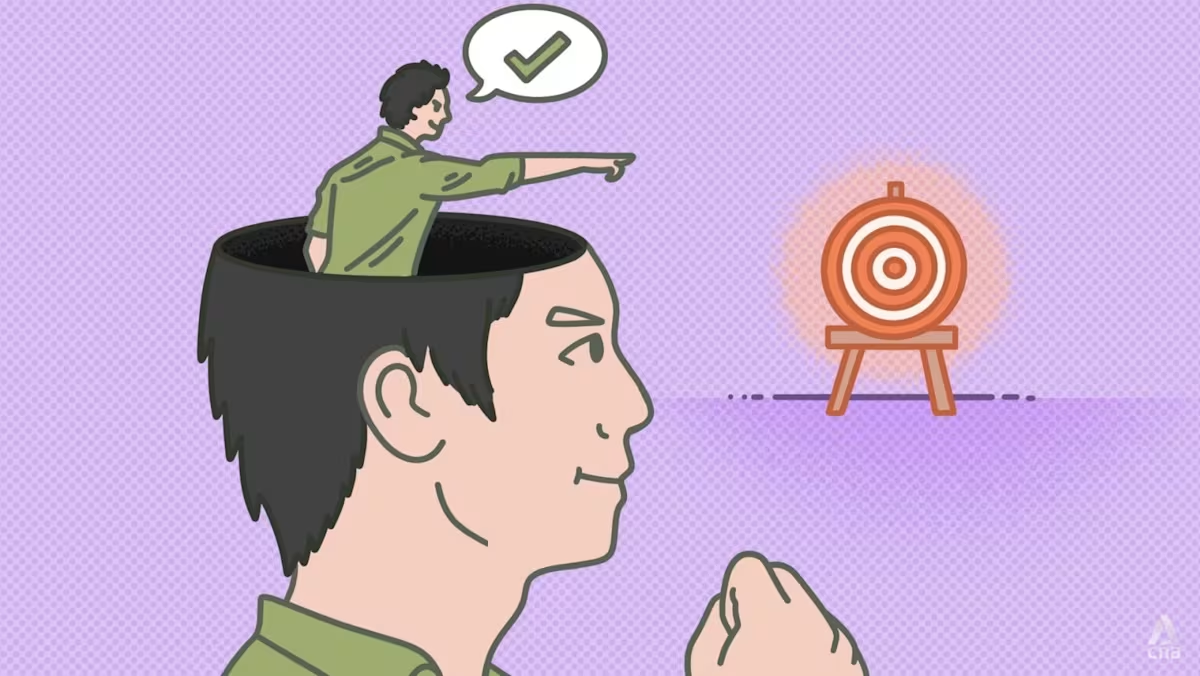
Psychology says the more you criticize someone, the less likely they are to change
Psychologists often find that lasting change is more likely when people feel that the decision to change is their own. While criticism may draw attention to a problem, it seldom creates the emotional environment needed for meaningful growth. Research suggests that understanding, empathy, validation and a sense of psychological safety are often far more powerful catalysts for positive change.
816 words~4 min read