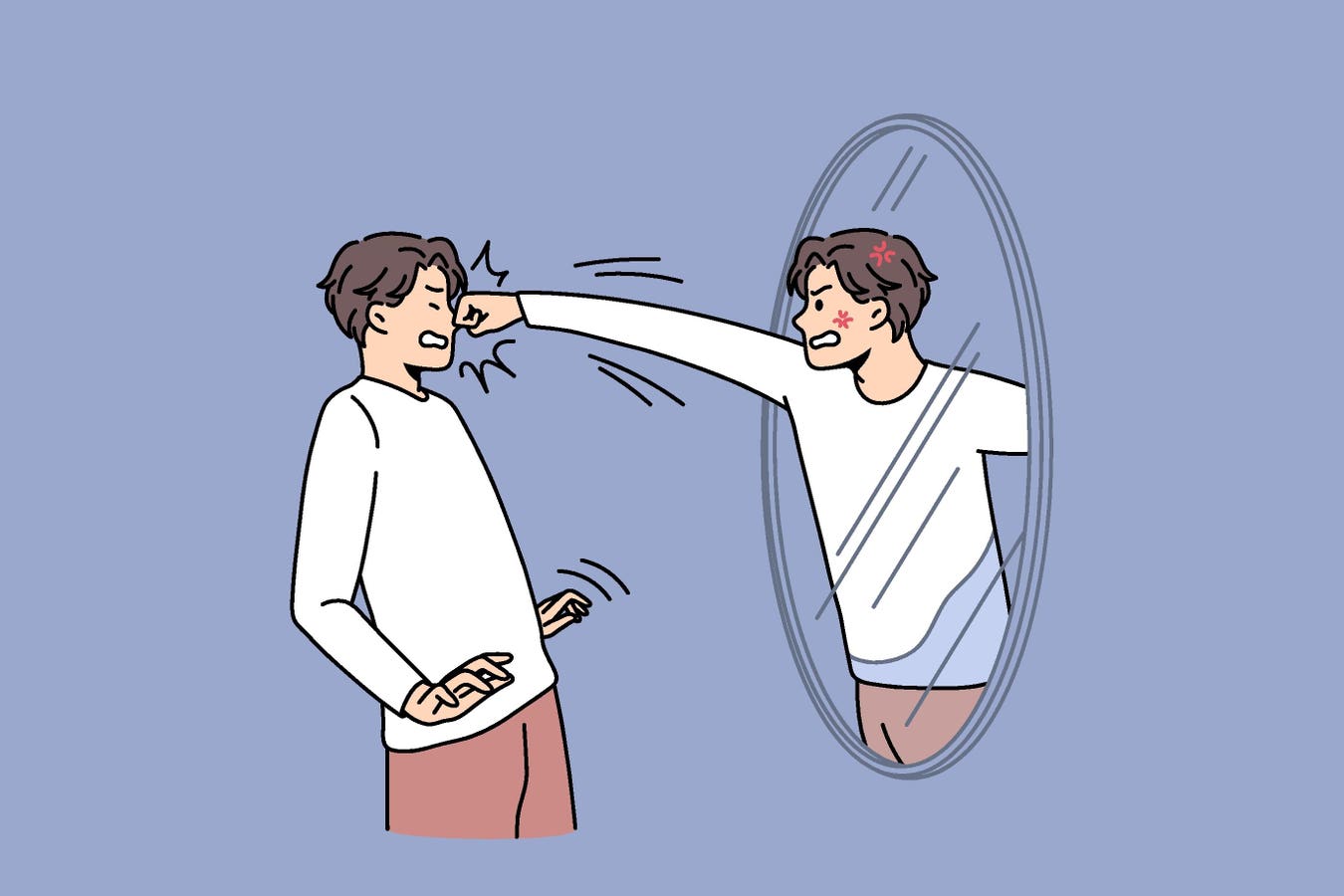
Over the decade that I've been seeing my therapist, almost every issue we discuss comes back to my self-worth, which has taken a beating since I was young.From growing up in Singapore’s achievement-oriented education system to entering a similar workplace environment, my inner critic only grew louder and more persistent with each knock to my confidence.It parroted the same refrain whenever I made a mistake, perceived or otherwise: I was "never good enough".Even worse, it sometimes held me back from trying at all.
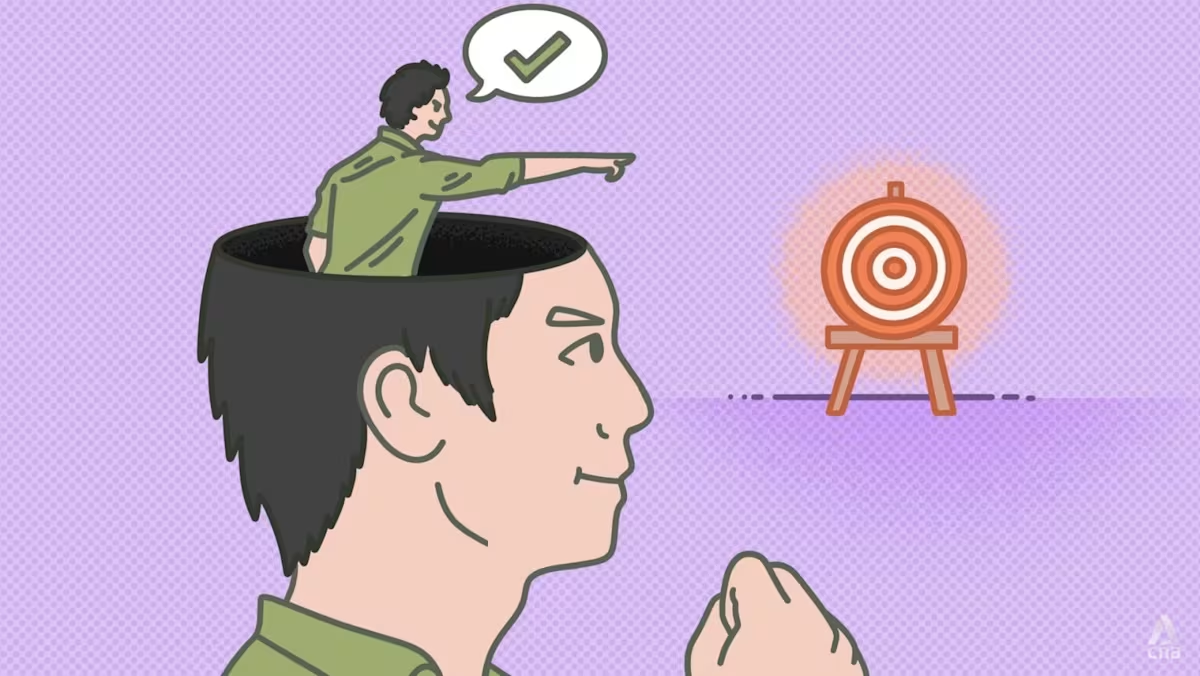
Adult me, wiser for the wear, was determined to silence the broken record. But my therapist, rather than acceding to my desire to eliminate my feelings of inadequacy, constantly reminded me to "sit with my feelings". Though I understood the sentiment in theory, I didn't want to "befriend" my inner critic. It was a lifelong foe that I believed stunted my self-worth and if I didn't vanquish it, I was convinced I would be defeated by its taunting. This binary thinking was, obviously, futile. After many more mistakes that ironically stemmed from trying (and failing) to outrun my inner critic, I had no choice but to accept it was here to stay.Finally made to confront it, I realised what my therapist had been trying to tell me: Your inner critic is not the enemy. You just need to know how to use it.KEEPING CRITICISM OBJECTIVEThe key to turning a critic into a consultant — or even a companion — is self-compassion, mental health professionals told CNA TODAY.Of course, this is easier said than done. Those with outsized self-criticism have likely wrestled with it almost their whole lives and self-compassion may be a foreign concept to them.