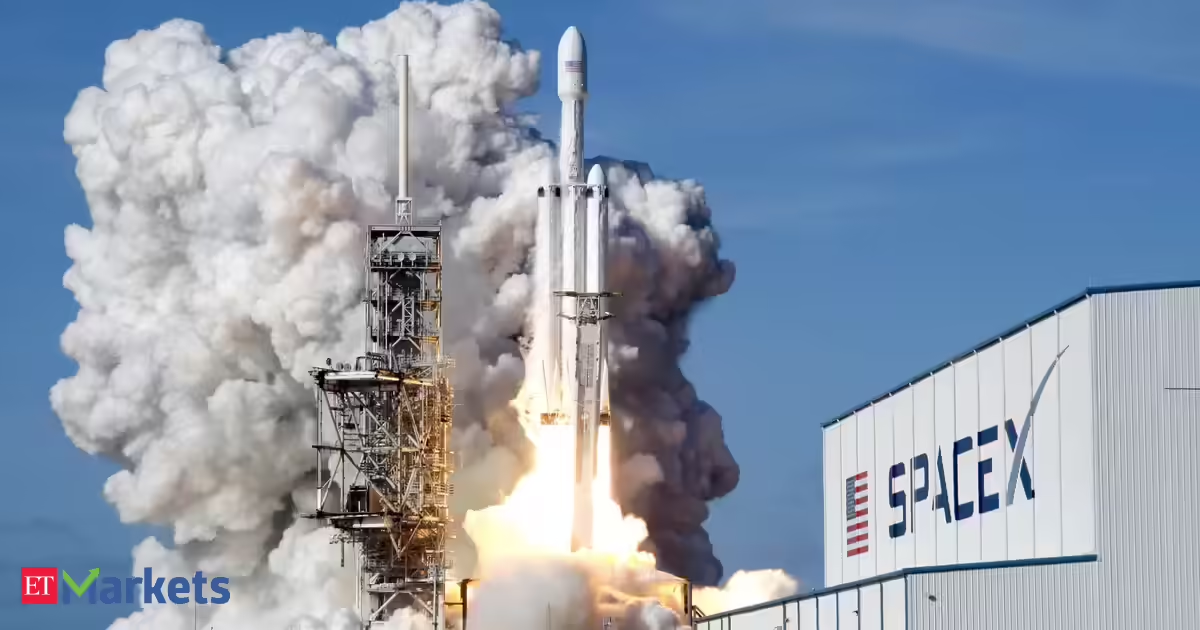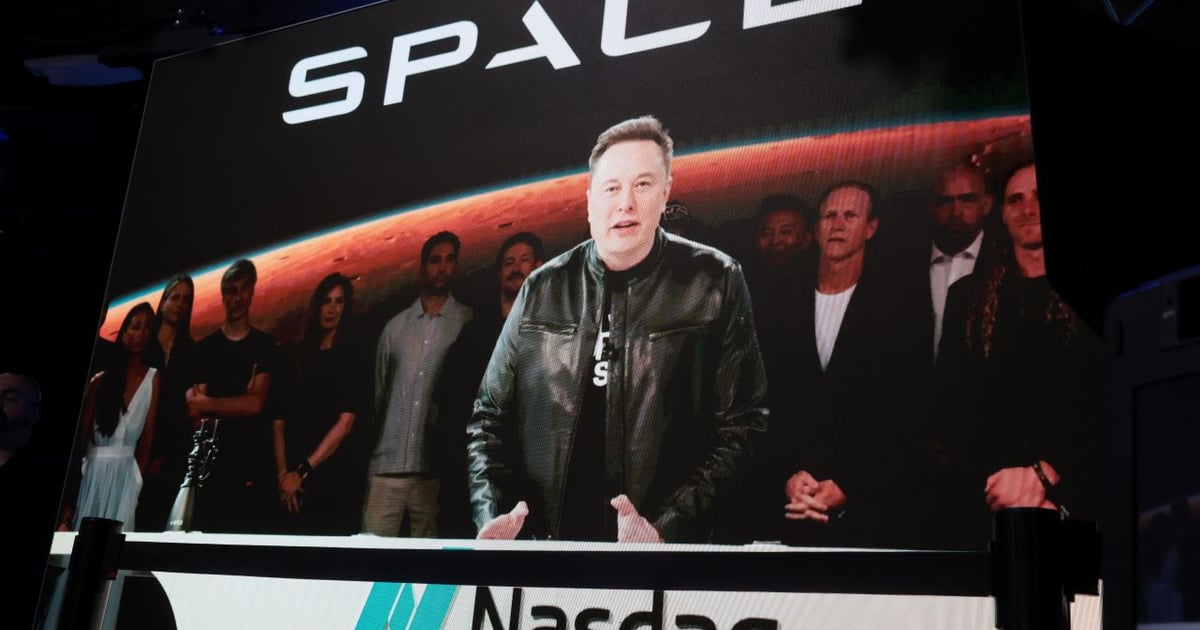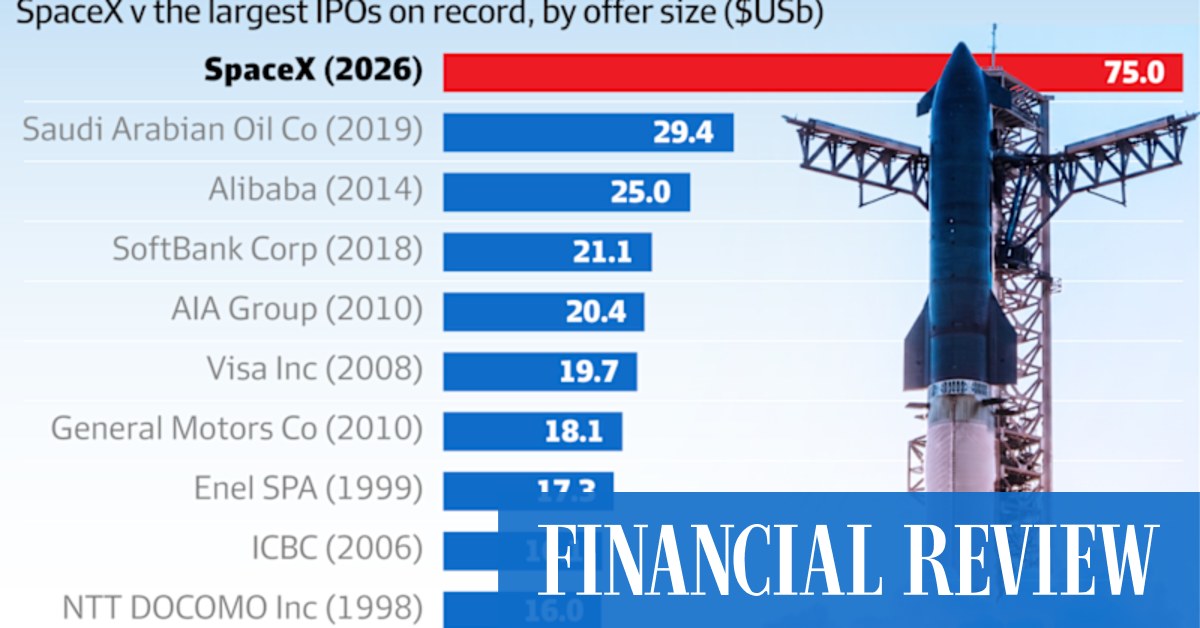
SpaceX’s planned mega-listing on Friday is expected to add momentum to the global satellite industry, as Elon Musk’s rocket and connectivity giant pushes beyond satellite broadband into direct-to-cell services and space-based solar power and artificial intelligence (AI) computing, according to a report released on Monday.TrendForce, a Taiwan-based market research consulting firm, expects the global satellite industry to grow at an annual rate of about 14 per cent, reaching US$447 billion by 2027 as satellite networks, AI infrastructure and space applications become more closely integrated.“By developing its own AI space computing chip facility, Terafab, SpaceX is enhancing its vertical integration and shifting the low-earth-orbit satellite industry from a purely communication service to a new era of computing services,” said the research firm.SpaceX is nearing one of the largest initial public offerings in history, seeking to raise about US$75 billion, at a valuation of roughly US$1.75 trillion this week.The company’s sprawling supply chain covers satellite antenna modules, RF front-end modules, printed circuit boards, beamforming ICs, solar cells, compound semiconductor materials such as gallium arsenide and gallium nitride, high-temperature alloys, titanium alloys, precision cast components and industrial gases.Samsung Electronics and Taiwan Semiconductor Manufacturing Company are also reportedly involved in early-stage, small-volume production of chips for space-based AI computing, TrendForce said.
SpaceX IPO set to lift industry in push for space-based AI, solar power: report
The company’s expected listing may boost overall satellite industry profit as it expands into more space-based applications.
207 words~1 min read