Three years ago, Cisco piloted an AI agent designed to analyze employee communications and diagnose the root causes of workplace conflict. It never made it out of the test phase.
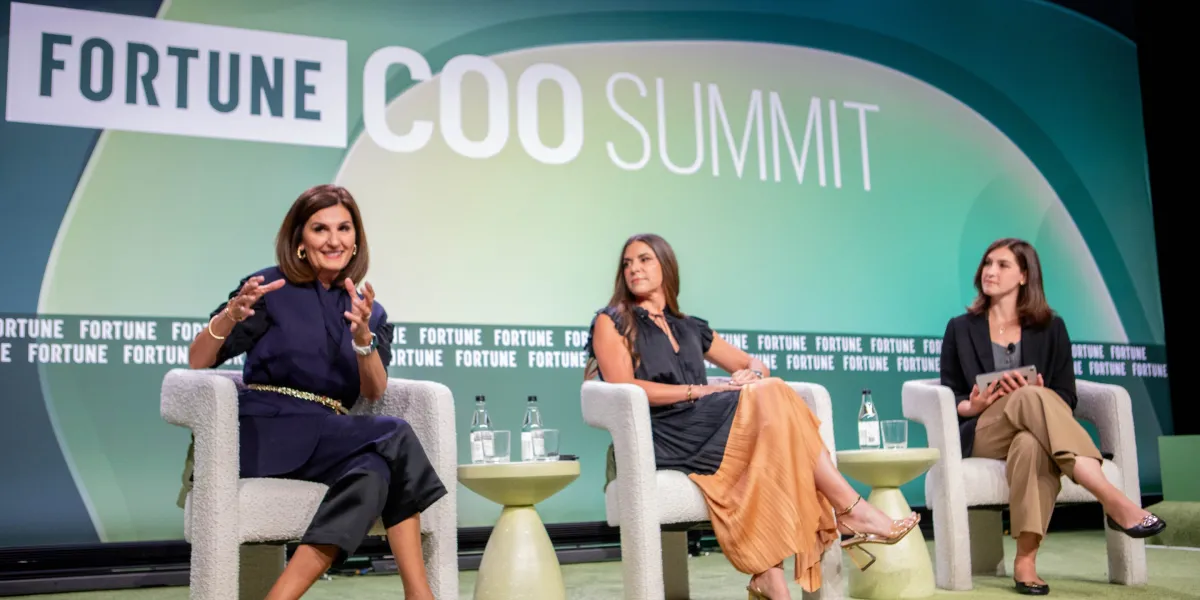
Why? “We believe that’s a conversation that a leader needs to have,” said Francine Katsoudas, Cisco’s chief people, policy, and purpose officer, at the Fortune COO Summit last week. “There can be insights that you decide not to scale, but that was a great test for us.”
The question of where humans provide value—and when AI should step in—was a central debate at the summit. It’s one that comes at a time when 93% of jobs are already impacted by AI, and 30% are now facing existential change, according to new Cognizant research. The firm’s researchers initially predicted this threshold would come in 2032, but it’s now here six years ahead of schedule.
And the much-publicized narrative that blue-collar jobs are safe from AI disruption is no longer true, said Ollie O’Donoghue, Cognizant’s head of research.
Take a plumber, for example. “You’ll still need someone to turn the wrench, no doubt, but the actual process of plumbing and the value that’s added will change a little bit,” O’Donoghue said, as tasks from diagnosis to paperwork could increasingly be reshaped by AI.