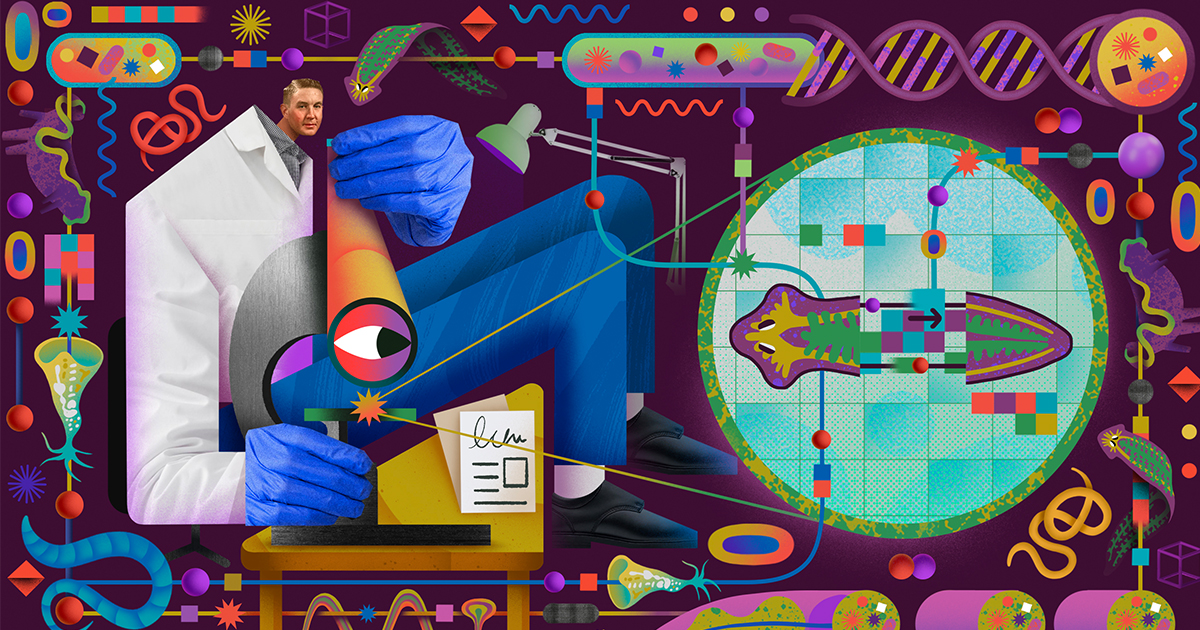
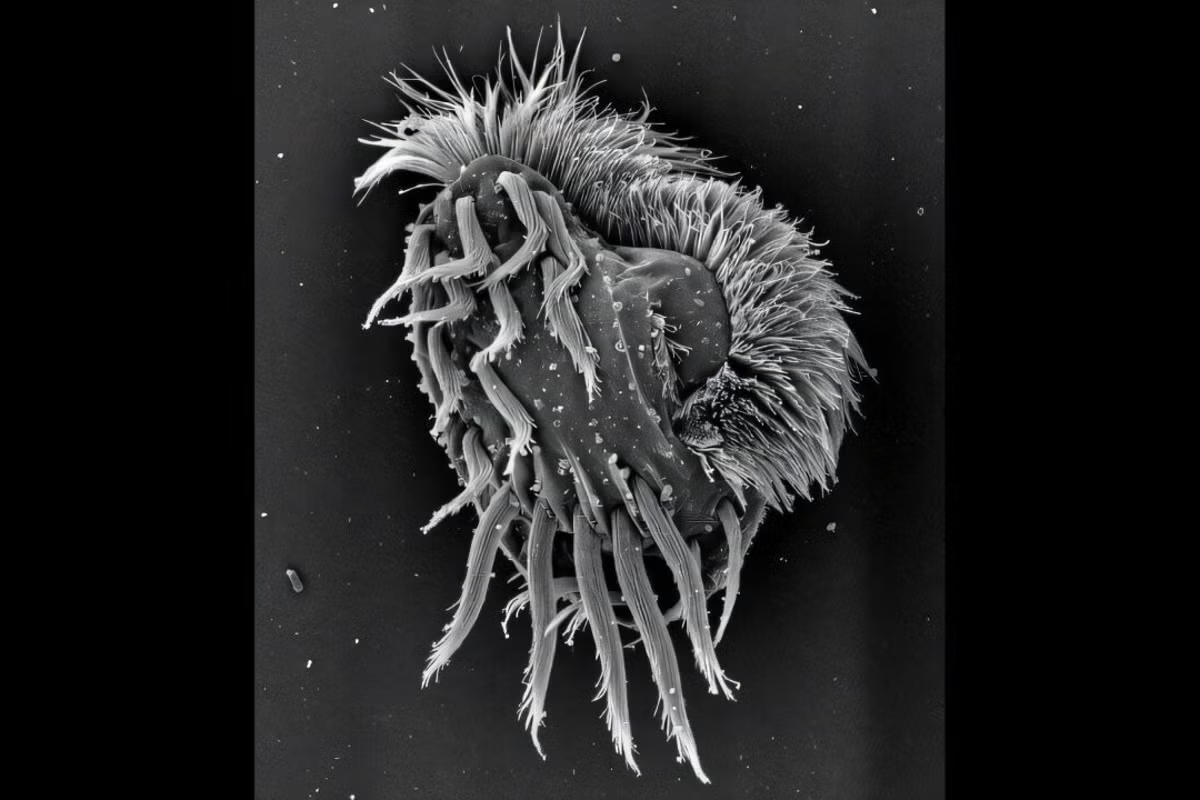
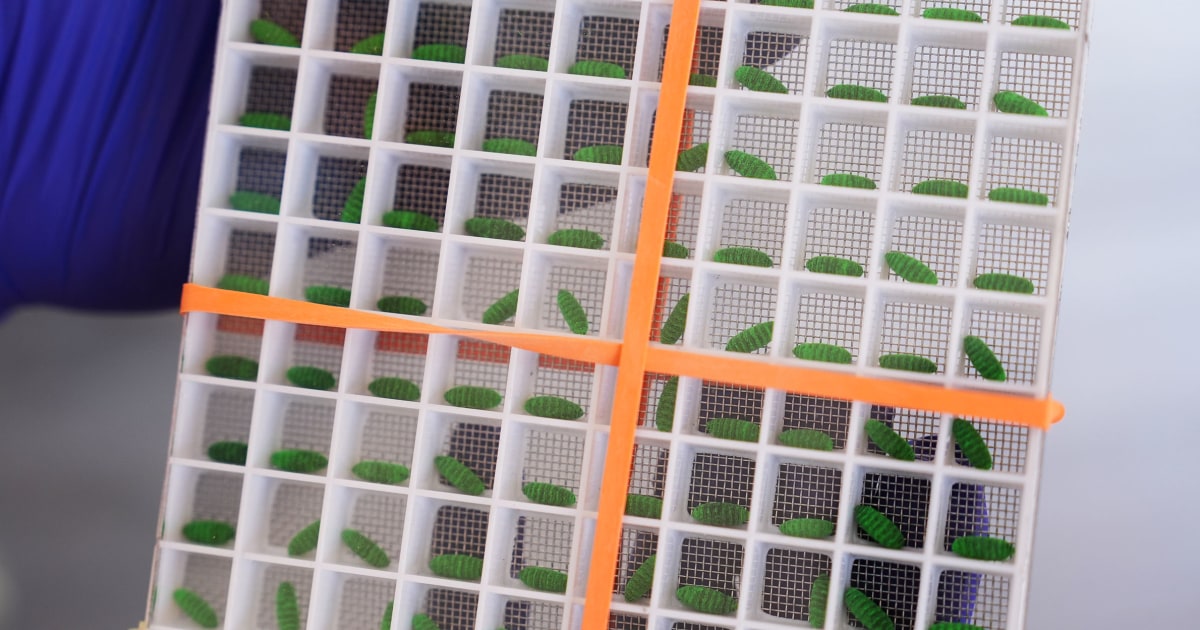
Six decades ago, behavioral psychologist James McConnell wanted to prove that worms could learn. He did, using a series of somewhat gruesome experiments that culminating in feeding worms other worms. (Sorry, worms.) This turned into a bit of a cultural Thing, with McConnell going on talk shows, calling himself “McCannibal,” and publishing a zine called The Worm Runner’s Digest. And then . . . the worms stopped learning. What happened? Claire L. Evans checks in with the scientists who are trying to figure that out, her usual curiosity and low-key wit in tow.
McConnell closed his laboratory in 1971, and his long period of subsequent obscurity was broken only once, in 1985, when he became a victim of the Unabomber. (He lost his hearing temporarily after the blast.) He died in 1990. If a younger generation of scientists is familiar with his cannibal planarians, it’s as “a cautionary tale that neuroscientists tell to their students at bedtime to scare them away from ill-fated projects,” Gershman said.
Still, McConnell’s unconventional work and contrarian attitude has lingered in neuroscience lore, and the idea of memory transfer remains a subject of private fascination. What if McConnell really did manage to feed a memory to a worm? For Gershman, who is searching for a way to study memory at a molecular level and connect it to observable behavior, the question was an itch that had to be scratched. He decided to settle the matter once and for all.