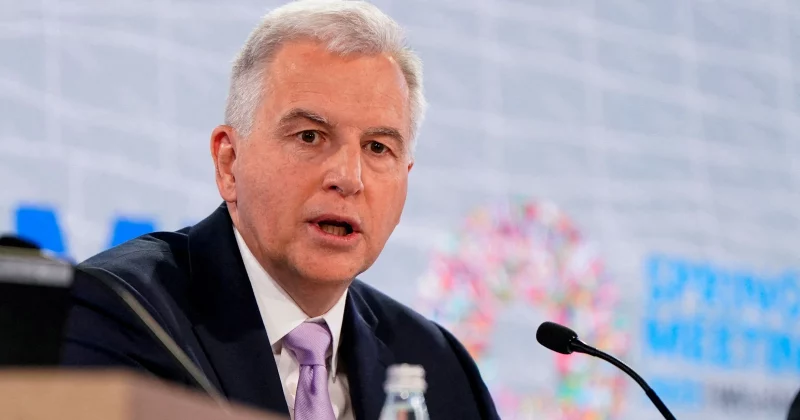
For over a decade, the idea of joint European debt has been the economic policy equivalent of Groundhog Day. Every few years, someone important floats it, fiscally conservative nations say no, and everyone goes home. Now Christodoulos Patsalides, the Governor of the Central Bank of Cyprus and a member of the ECB Governing Council, is making the case that this time the conditions are actually different.
In an opinion piece published on June 7, 2026, Patsalides argued that Europe faces a “rare alignment of economic, geopolitical, and institutional conditions” that makes joint debt issuance not just sensible but necessary. His pitch: create a permanent common European safe asset to strengthen the bloc’s sovereignty, fund shared priorities like green energy and digital transformation, and give the euro a serious boost on the global stage.
What joint European debt would actually change
Patsalides outlined several concrete advantages. Lower borrowing costs across the board. Enhanced liquidity for euro-denominated assets. A reliable collateral base that could deepen European capital markets. Better mobilization of household savings. And, critically, a stronger international role for the euro as a reserve currency.