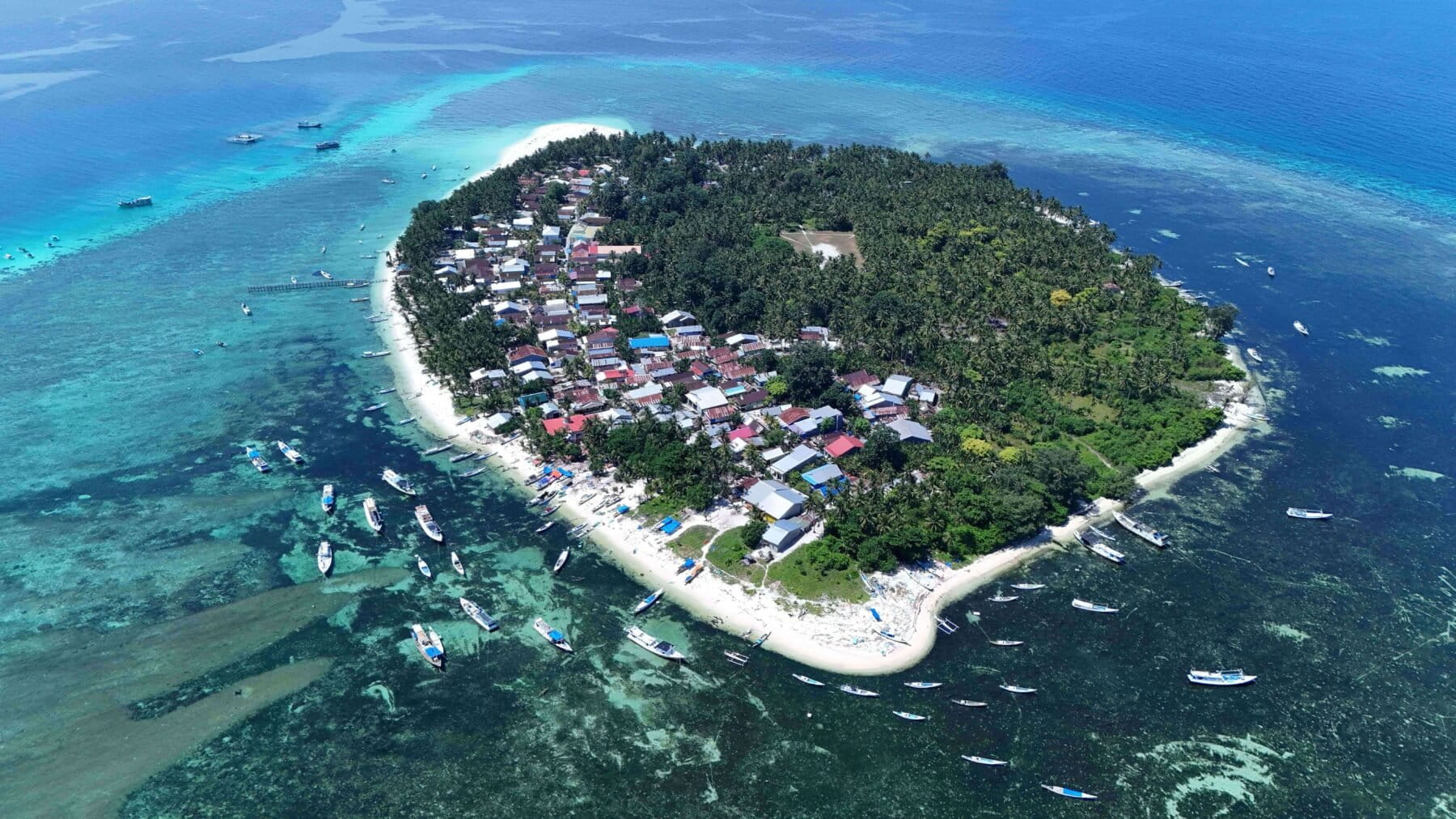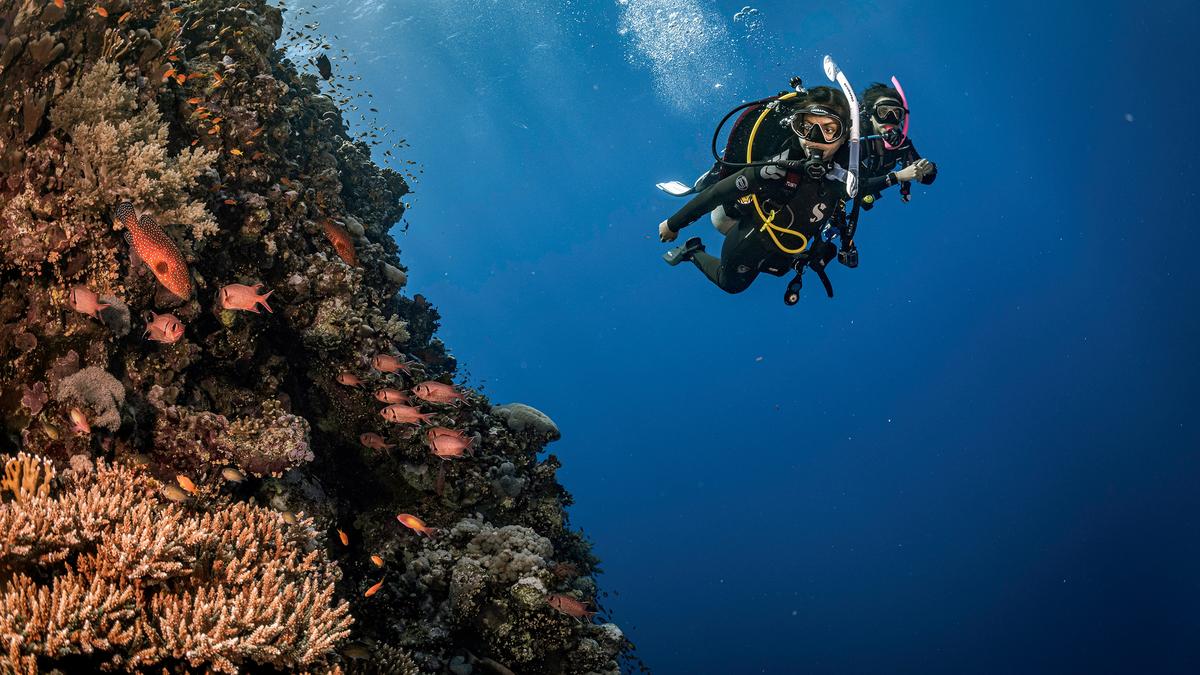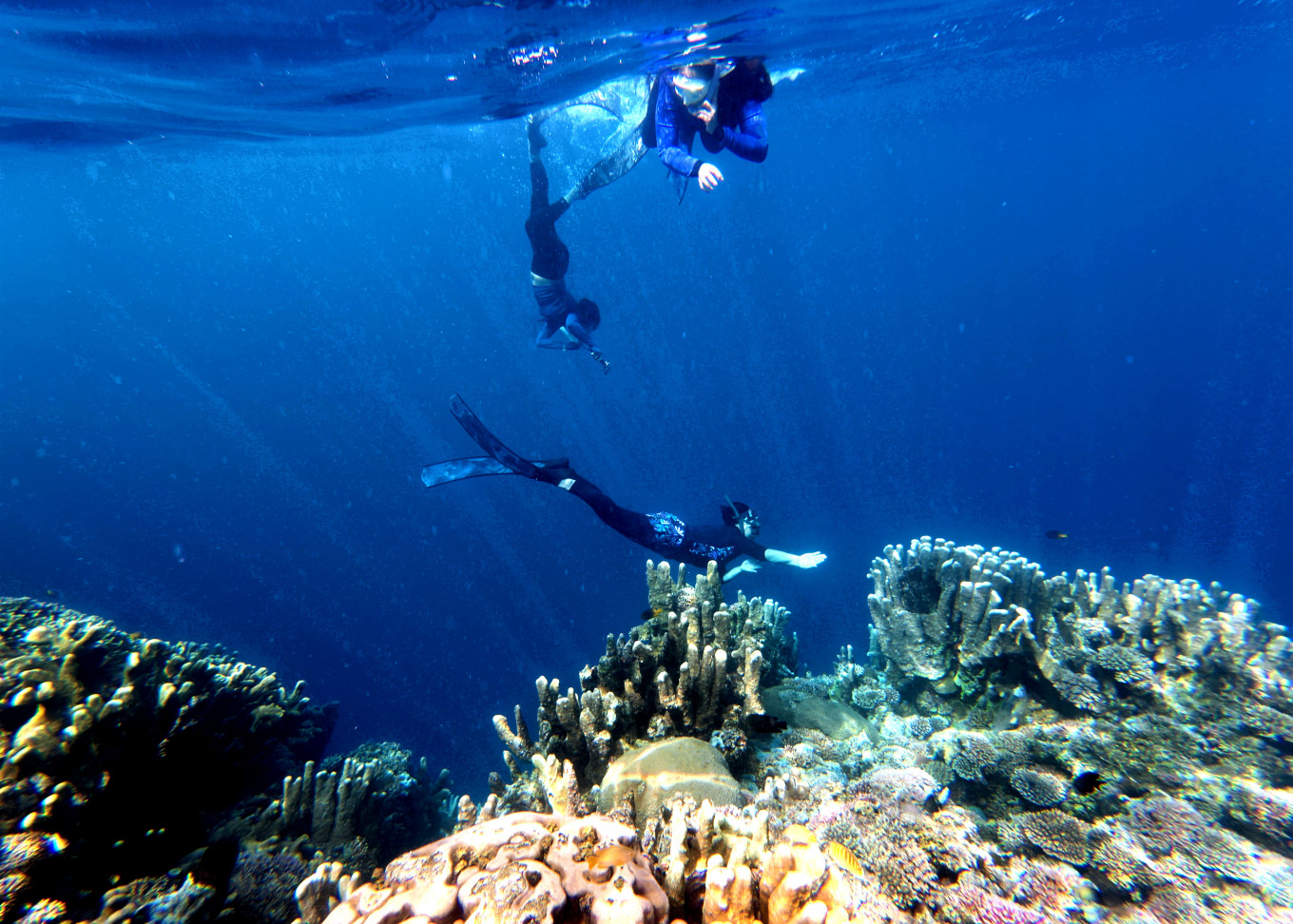
Children from the Karen and Ranchi ethnic groups of the Andaman Islands learned about the sea the way other children learn a family language.They inherited it from their fathers and grandfathers, who could read the weather in a shifting cloud, sense currents in the movement of water, and spot a turtle or reef fish at a place where outsiders saw only blue. The ocean was never something to be conquered or discovered. It was simply part of everyday life, as familiar as a sidewalk that shared a border with home.For generations, this intimate knowledge of the sea rarely translated into economic opportunity. Today however, in a transformation unfolding across Havelock Island, descendants of fishermen and boatmen are becoming diving instructors and marine guides, turning an inherited relationship with the ocean into a profession that is reshaping lives, families and entire communities. Husna, Gypsy Diver’s first dive boat that has carried divers to safety.
| Photo Credit:
Special Arrangement
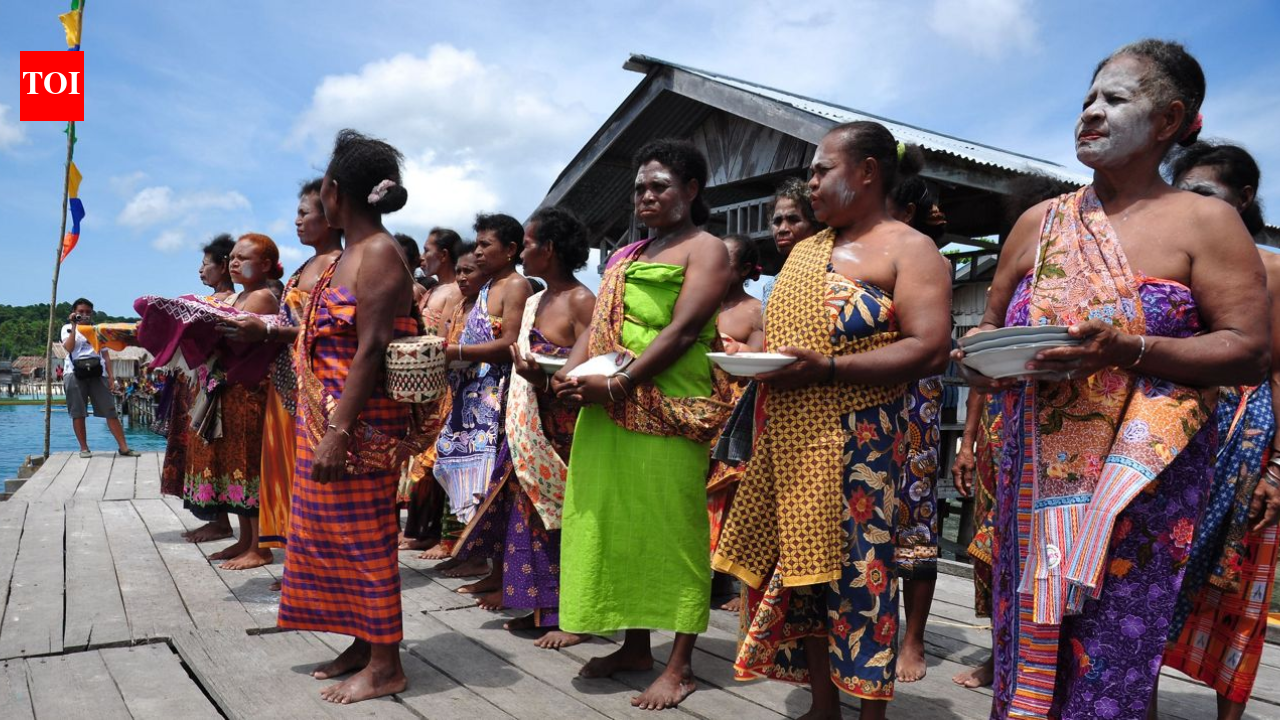
Helping steer this transformation are Poonam Darne and her husband D Santosh, founders of Gypsy Divers, a PADI (Professional Association of Diving Instructors, one of the world’s most recognised dive training organisations) affiliated five-star dive school and resort located on Havelock’s Beach No. 2.Who are the Karen and Ranchi communities?The Karen communityAccording to Wikipedia, The Karen (also spelled Kayin) are an ethnic minority group originally from Myanmar’s Kayin State, where they comprise approximately 7% of the country’s population. British colonial authorities recruited Karen families to the Andaman Islands in the early 1920s, with the first organized group of 12 families arriving in April 1925. They were specifically chosen for their exceptional forestry skills and familiarity with tropical forest ecosystems similar to their Burmese homeland. Today, approximately 2,500–3,000 Karen people live primarily in North and Middle Andaman, with settlements in villages like Webi, Karmatang, and Borang.For generations, the Karen have been known as skilled woodsmen, boat builders, farmers and naturalists. The Karen remain among the islands’ most environmentally knowledgeable communities and continue to seek Scheduled Tribe status in India. The Ranchi communityThe Ranchi community in Andaman is not a single tribe but a collective term for Adivasi or tribal settlers whose ancestors migrated from Jharkhand, northern Odisha, and Chhattisgarh. This diverse group includes tribes like Oraon (Kurukh), Munda, Kharia, Mahli, Turi, Ghasi, and Cheek. According to anthropologist Philipp Zehmisch’s 2015 paper The Invisible Architects of Andaman: Manifestations of Aboriginal Migration from Ranchi , migration began during British colonial rule and continued through post independence settlement programmes, with approximately 50,000–100,000 Ranchiwalas now living across South Andaman, Middle Andaman, Little Andaman, and Nicobar Islands. The community is currently demanding Scheduled Tribe status (which they hold in Jharkhand) to gain constitutional protections and benefits in Andaman.Poonam, 50, is among India’s earliest female scuba divers and instructors, while Santosh, a theatre actor who has worked alongside Amitabh Bachchan and Mithun Chakraborty , brought his own unconventional journey to the islands. Together, they established Gypsy Divers in 2016 with a vision that extended beyond tourism. In the decade since, the school has trained more than a 1,000 divers from the Karen and Ranchi community, school children and recreational enthusiasts and Army personnel undertaking rescue diver certification programmes.However, some of its most lasting impact has unfolded far from the coral reefs.