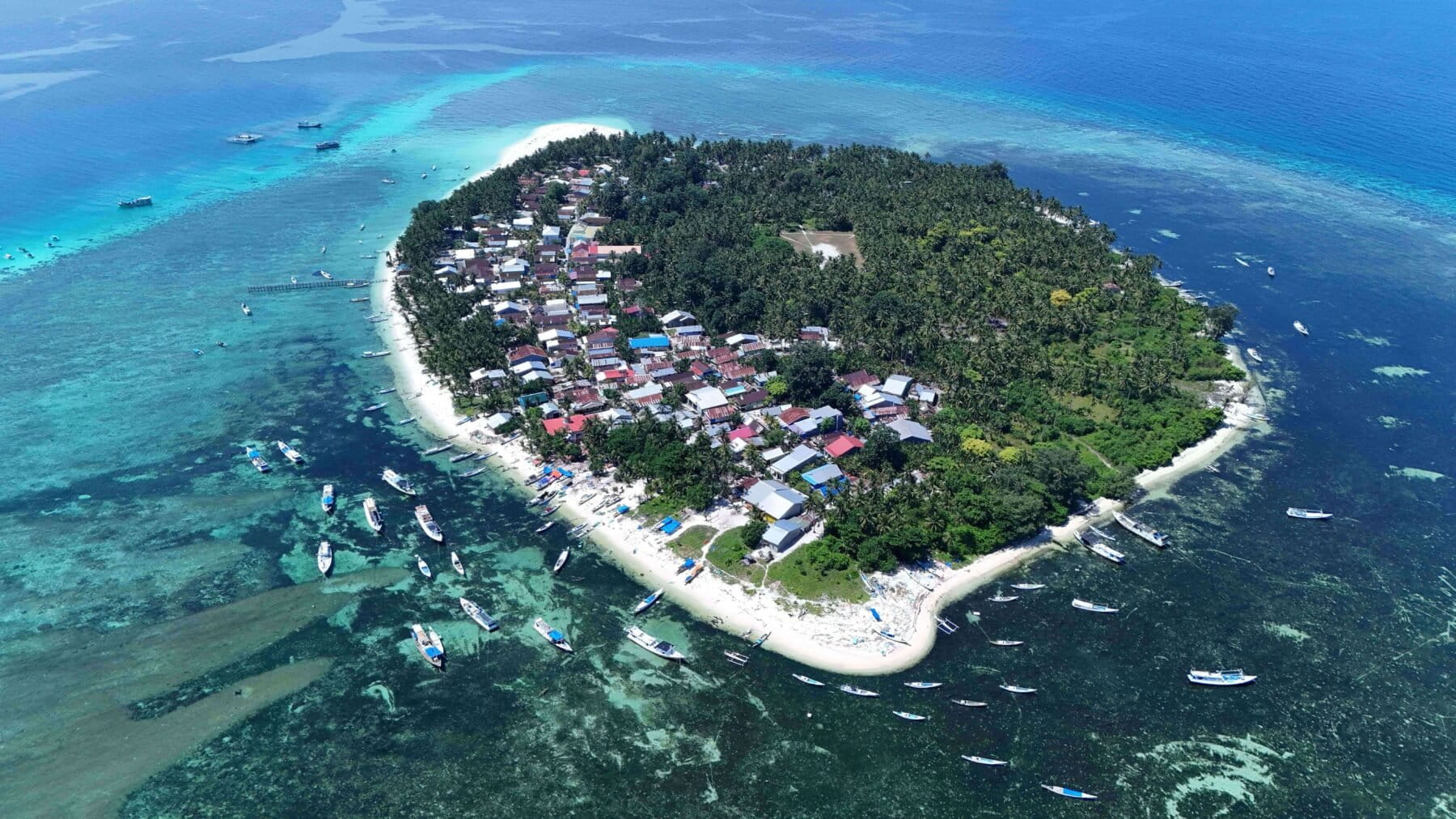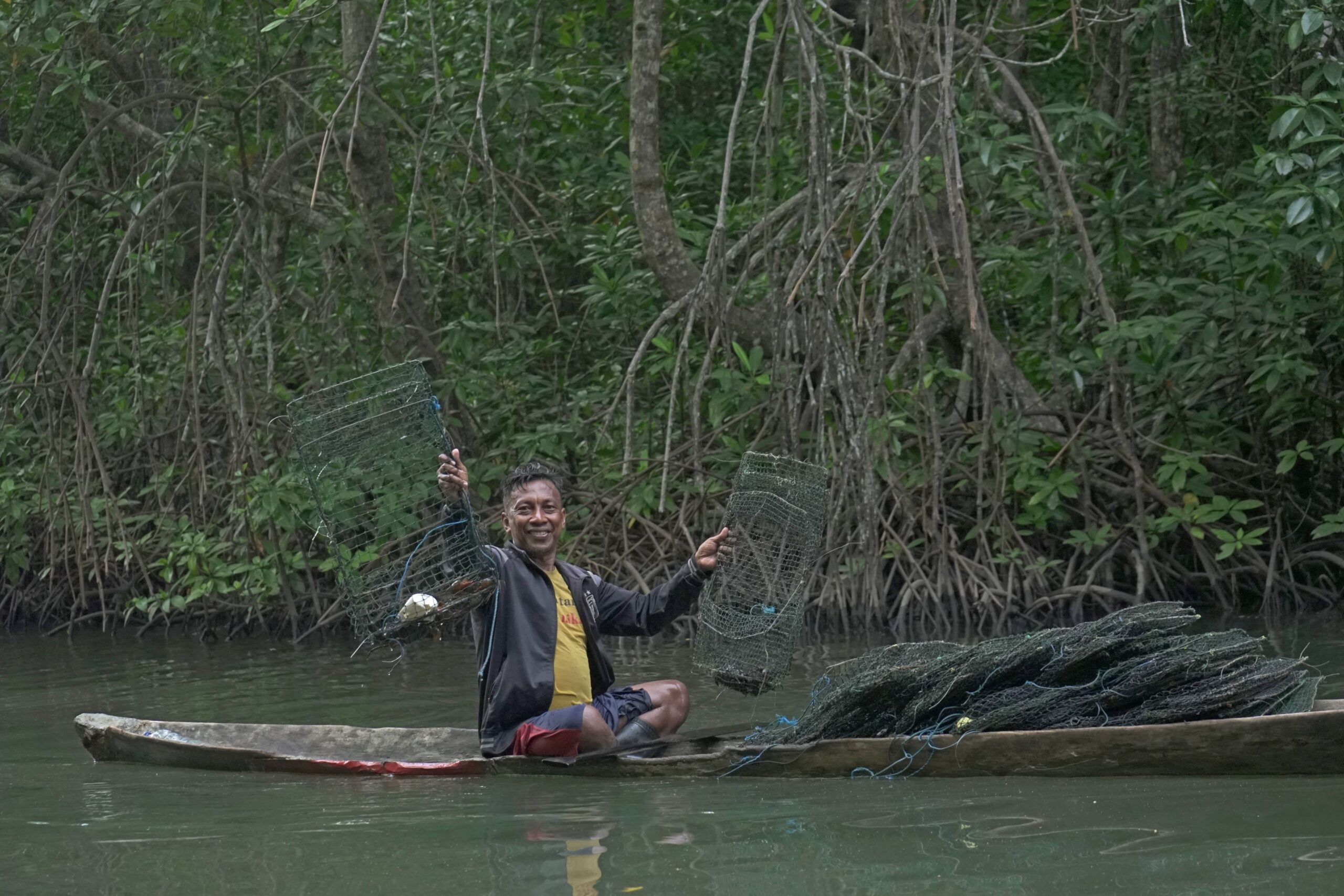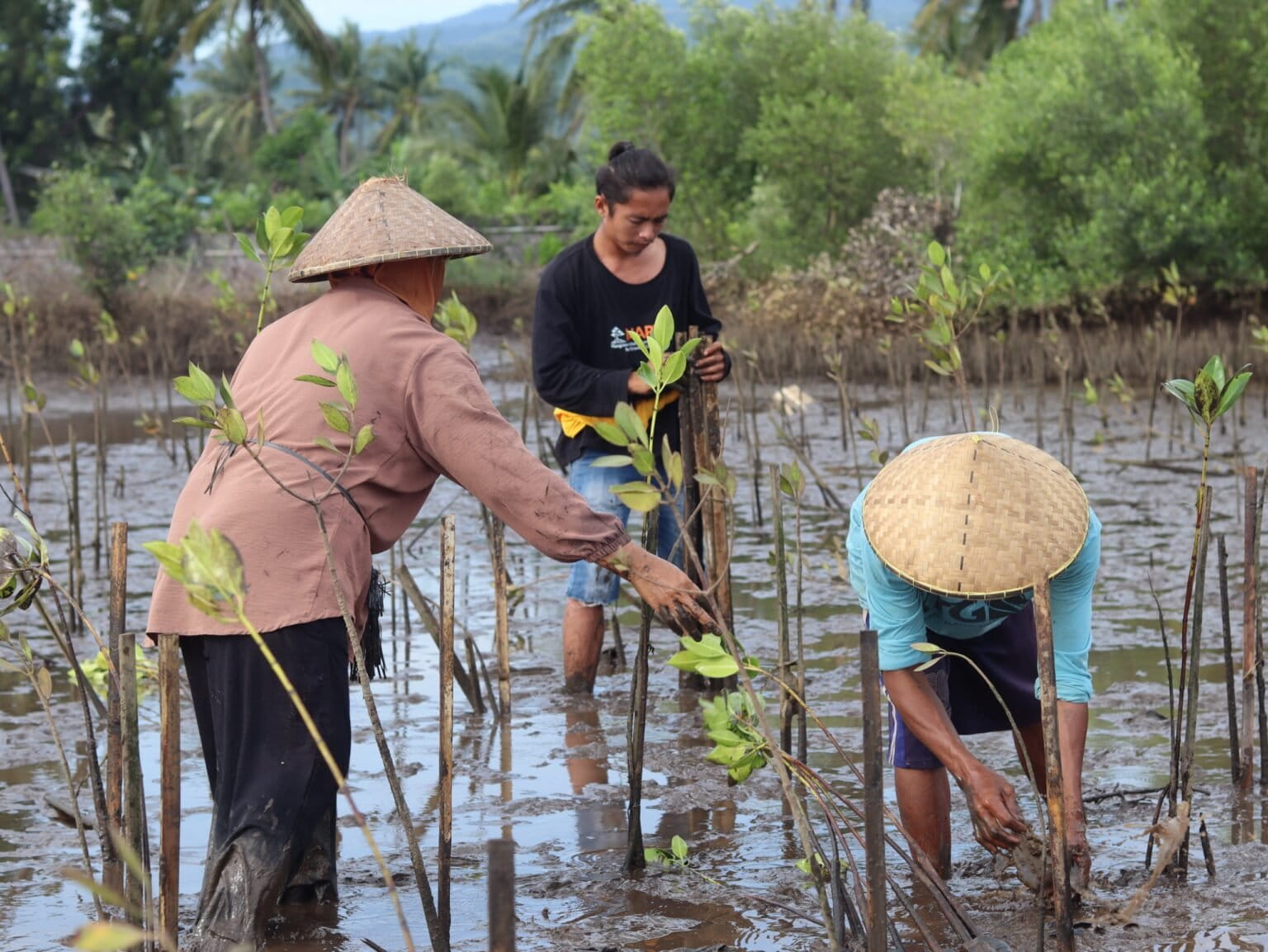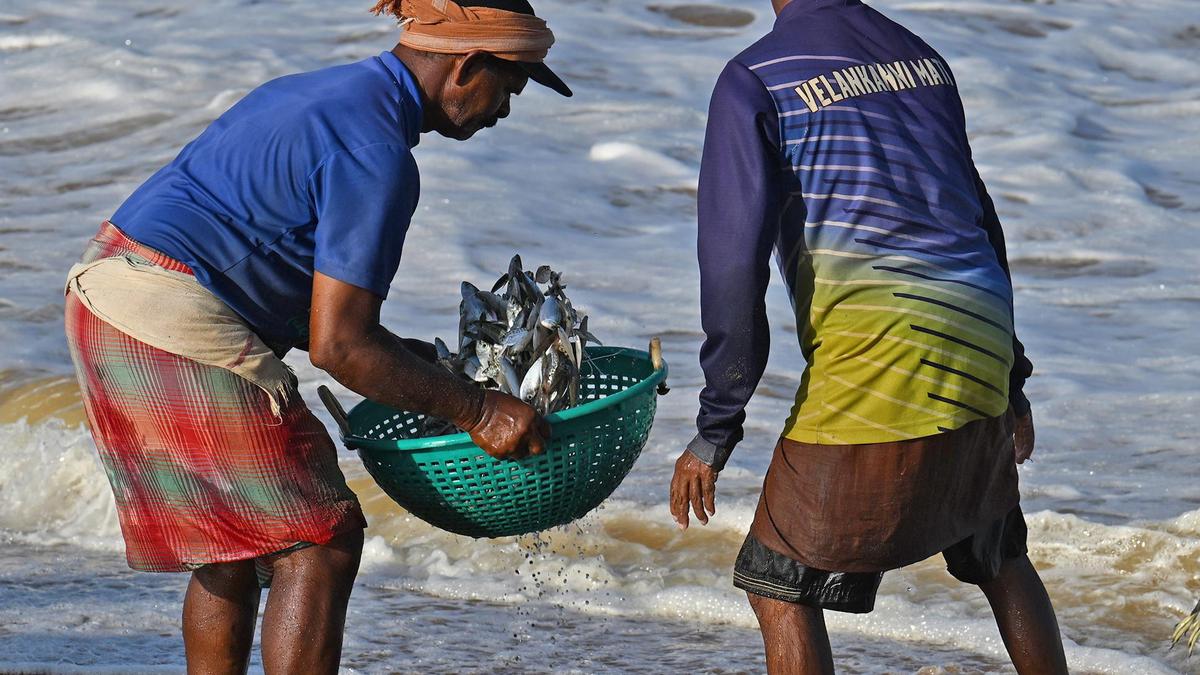
Since ancient times, communities living along the eastern parts of Indonesia have been employing a traditional system referred to as sasi in order to preserve the ocean waters on which they depended for their survival.
Even before marine protection systems were invented and even before fishing quotas were established through conservation legislation, the local indigenous communities had established their unique practices on when and where harvesting of fish and other sea creatures would take place.
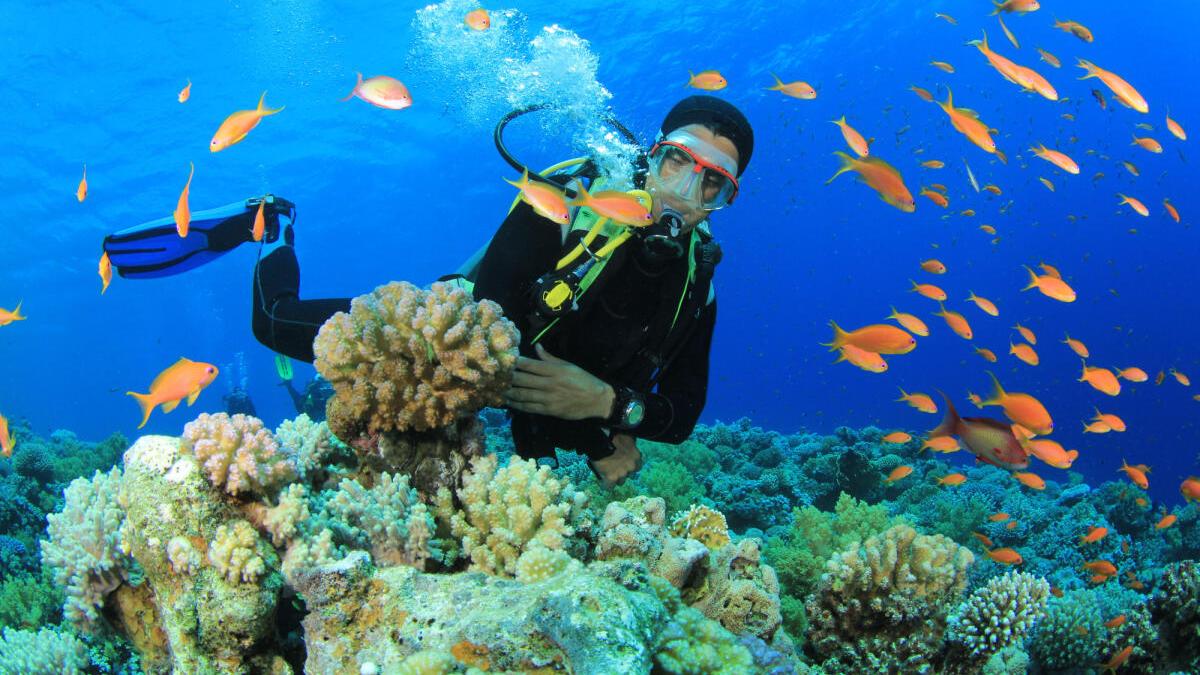
Today, with the increasing challenges posed to coral reefs due to over-fishing, global warming and habitat loss, the return of this practice is proving to be a turning point.In many of the islands of Maluku, Papua and even the greater Wallacea region, the communities have now started closing off their fishing grounds, restricting harvesting and ensuring stewardship within the local environment.
Scientists are now realising that the rebirth of such practices can prove to be a great example of how indigenous knowledge can work alongside contemporary conservation science.How the centuries-old sasi system became a model for marine conservationThe roots of sasi stretch back hundreds of years, making it one of Indonesia's oldest known systems of natural resource management.