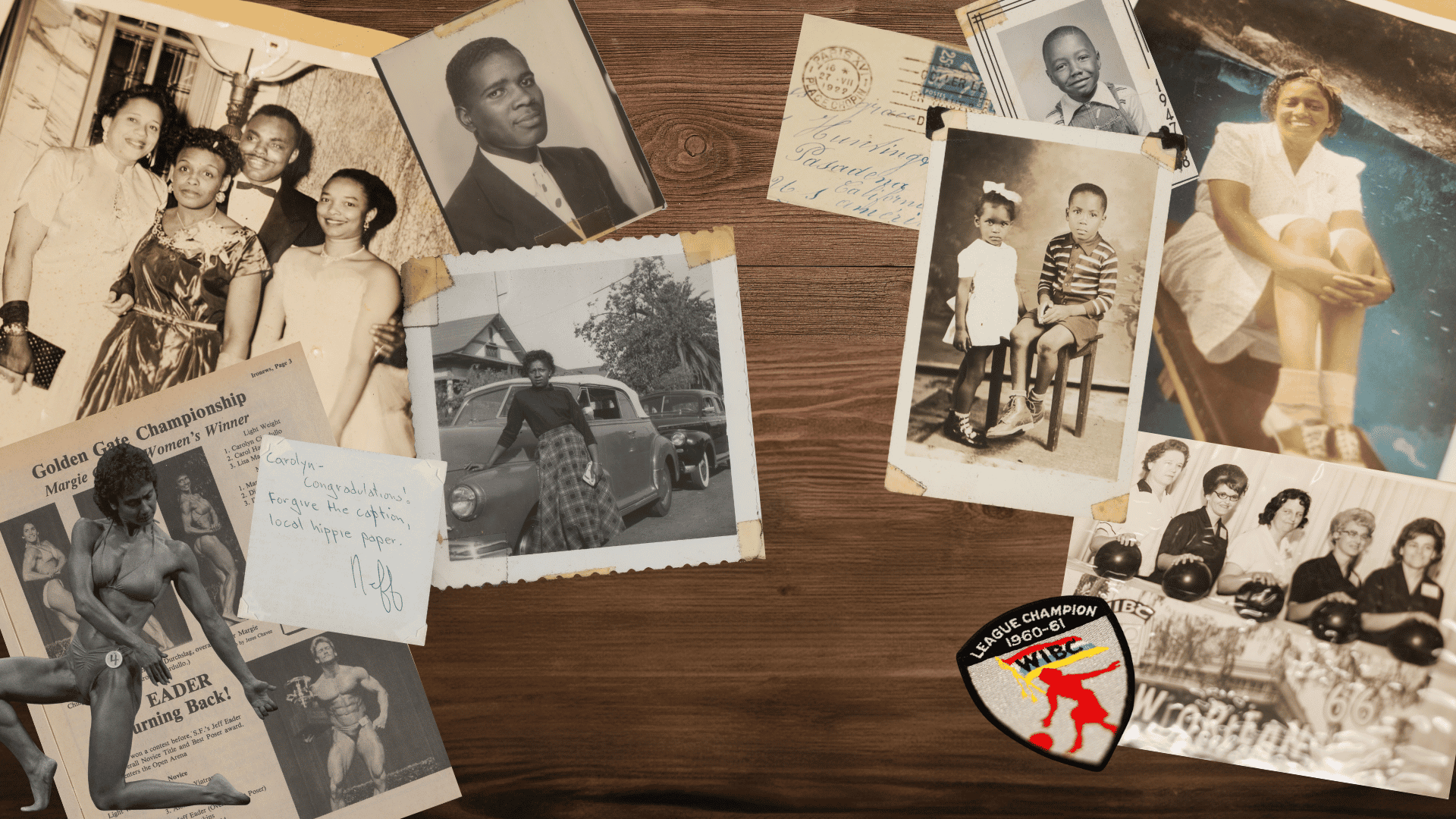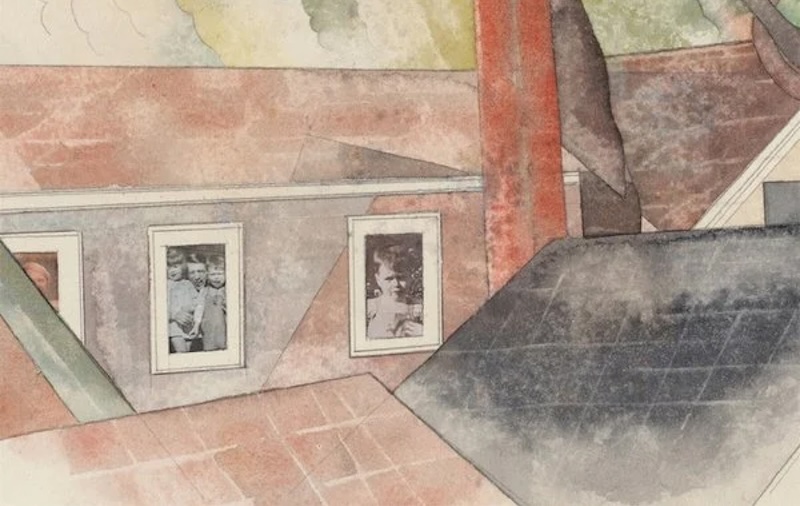
There is already a Black feminist tradition of using the arts as historical preservation. A dynamic sampling of contemporary literature and art created by Black women considers the forms of poetry, novel, memoir, book arts, visual arts, and memorial to interrogate Black women’s reproductive lives. Such an innovative, yet traditional method of memory-keeping requires a unique method of investigating scraps, or what I articulate as scrap theory, to search for traces and fragmentation of Black reproductive life that exist within both artistic and traditional institutional archival documentation.Article continues after advertisement
The artists I discuss revive a Black feminist methodology of communing with scraps—what I call scrap theory—to write this story. Radical approaches to what is precious and what is worthless—or appraisal—have always been more than the inversion of that which is useless made priceless, what was originally meant to be ephemeral made timeless. Black feminist approaches to memory work create an intertextual production of memory, time, and space to scale the meaning of scraps as foundational to Black memory work across disciplines: For instance, food studies scholars have traced the predilection for chitterlings through a gastro-genealogy of enslaved people’s access to the kitchen scraps.