As a sculptor, I love an archive, especially when it is filled with objects that refuse to be silenced. Each piece carries the sediment of its own story. They have witnessed creation, love, use, violence, change, transition, oblivion, aggression, and adoration. Their histories are nearly made invisible through age, and yet they remain glaringly present when we take the time to look. Each object was made by someone, with a precise intention—to embody a necessary purpose, once held in relation to a community.Article continues after advertisement
Now, that function feels distant, almost inaccessible. In our culture of acquisition, the act of making and the meaning it once held are worn down, replaced by possession. Purpose dissolves into who owns it, who displays it, who claims authority over it. The object no longer belongs to its origin or to its own agency, but to the structures that contain it. Making and meaning are stripped away to satisfy ownership; collectors, institutions, and entire nations now justify the value and importance of these objects
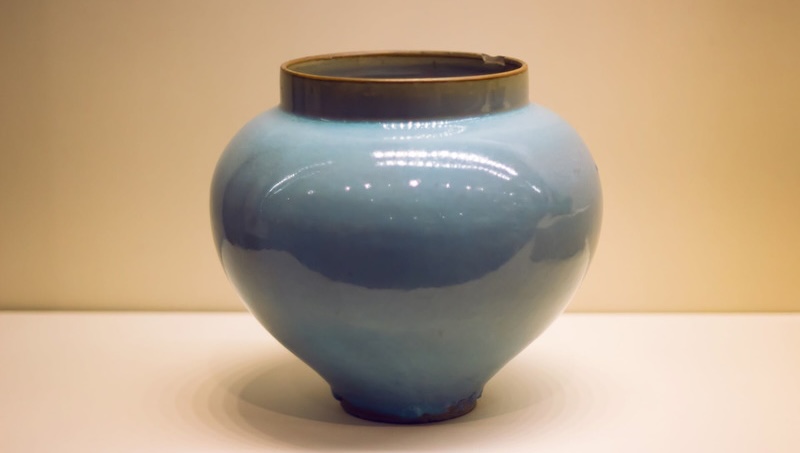
And still, I always return to the archive—more precisely, to one simple elegant form, a pot. I admit, with a kind of awkward awareness, that few things give me more persistent, unreasonable pleasure than thinking about pots. This book, Artifacts, is about a unique and beautiful pot. From this small vulnerability, I begin a conversation with Natalie about her beautiful and provocative book, which follows, among other things, the lifetime of an object.