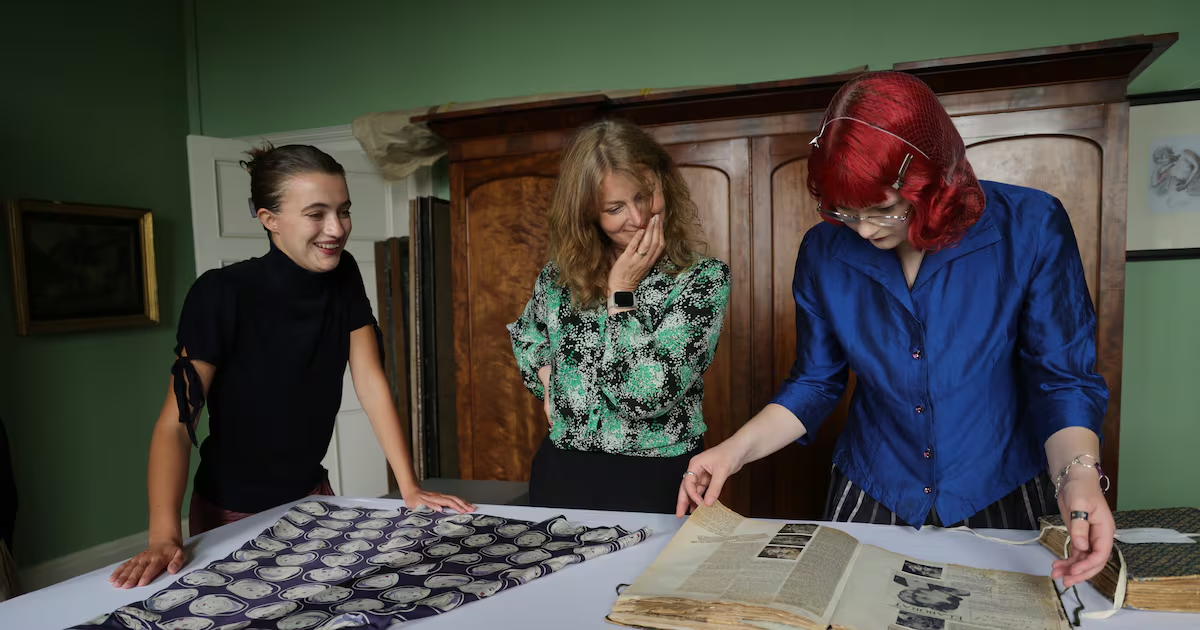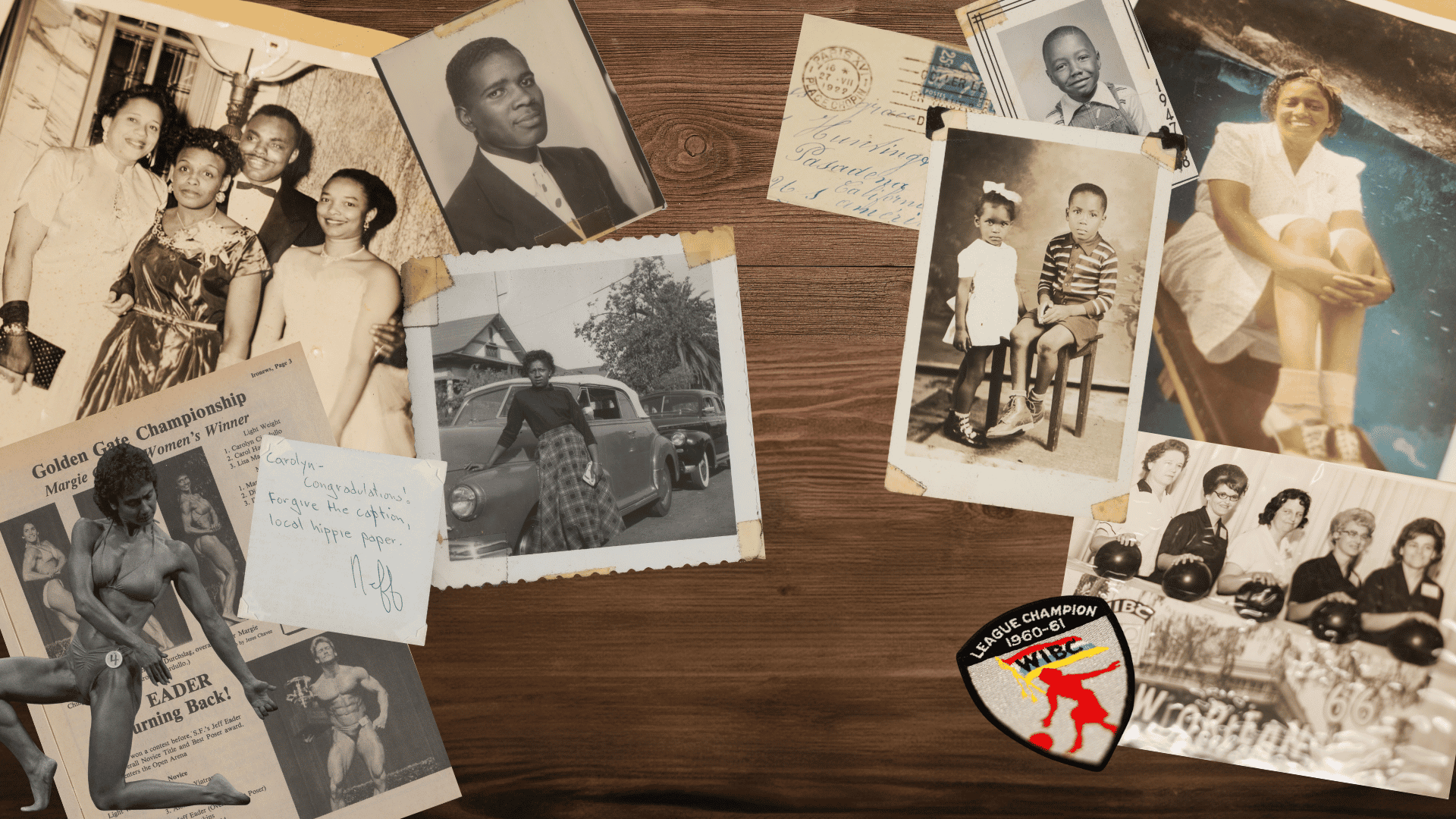
It might come as a surprise that scrapbooks — mundane, somewhat old-school arrangements of photographs, newspaper clippings, greeting cards, and other ephemera — are worth archiving. But the Radcliffe Institute’s Schlesinger Library houses more than 600 of them among its collections.
Scrapbooks can help researchers fill in gaps of history with insights into the lives of ordinary people — sometimes people for whom there is little or no public record. This aspect of the collections is particularly important for the Schlesinger as the country’s leading center for women’s history, because so much of it was thinly documented in official sources.
“Scrapbooks are unique because there never is one singular formula,” says Victor Betts, curator for collections on ethnicity and migration at the library. “They’re a great way to introduce and tell people about hidden and unknown histories.”
Jenny Gotwals, the Johanna-Maria Fraenkel Curator for Gender and Society, said the collection has drawn significant interest among students and scholars doing research for projects, papers and dissertations.
Last spring, Betts co-taught “Asian American Women’s History in the Schlesinger Library,” an embedded course for which students worked with the library’s primary source materials.