Wealth of datasets compiled as private passions are now a goldmine for those hunting for their ancestors
T
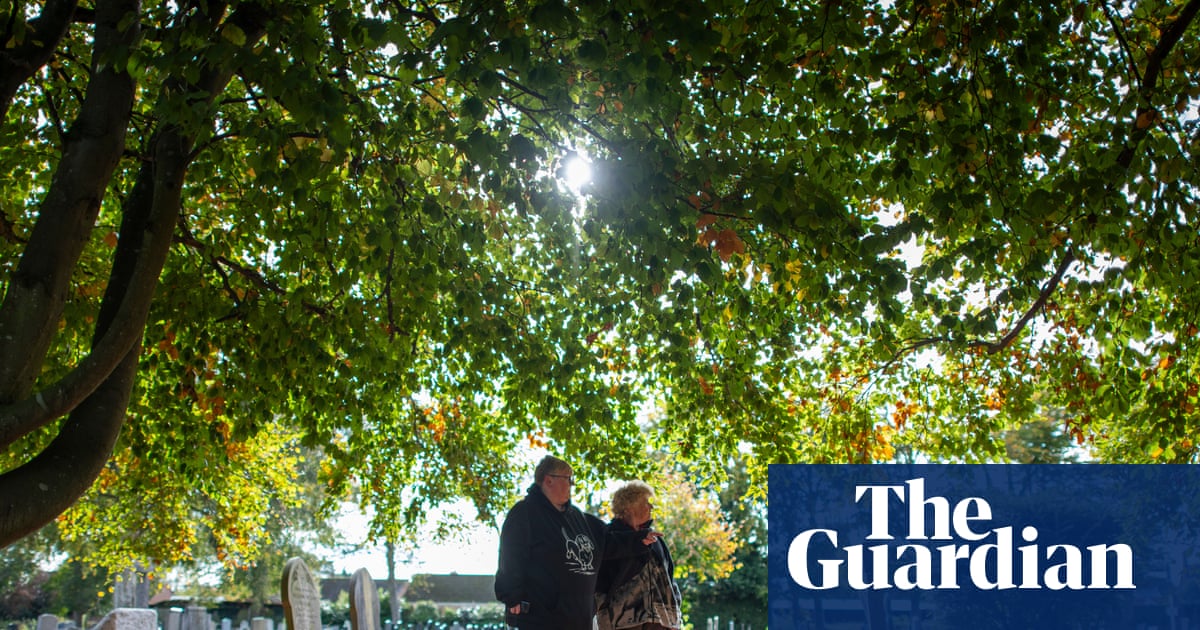
he autumn sunlight is filtering through quietly falling leaves as Louise Cocker stands in front of the gravestone of James Henry Payne and takes a quick photograph. Payne died at the age of 73 in October 1917 and was buried in the Norfolk town of North Walsham, along with his wife Eleanor and son James Edward, who was killed in the Battle of Vimy Ridge in April 1917. “Not lost”, reads the simple slab, “but gone before”.
This is far from the first Norfolk gravestone Cocker, 53, has photographed – in fact, over 24 years, she has captured almost half a million of them, driving around the county on her weekends and days off from her job in the local Lidl supermarket. As a result, she has produced a remarkable dataset of 615,000 names – many graves contain more than one person – which experts consider one of the most comprehensive photographic records of gravestones and memorials in England.
“I’m just passionate about it, I really am,” says Cocker. “I know it sounds crazy.” The appeal lies partly in the peace of spending time in graveyards, she says, where she will gently clear overgrown memorials, often accompanied by her mother, Angela Parke, or husband Neil. But also: “I just like helping people. You can make somebody’s day when you help them find their ancestor that they’re looking for. It’s a really nice feeling.”