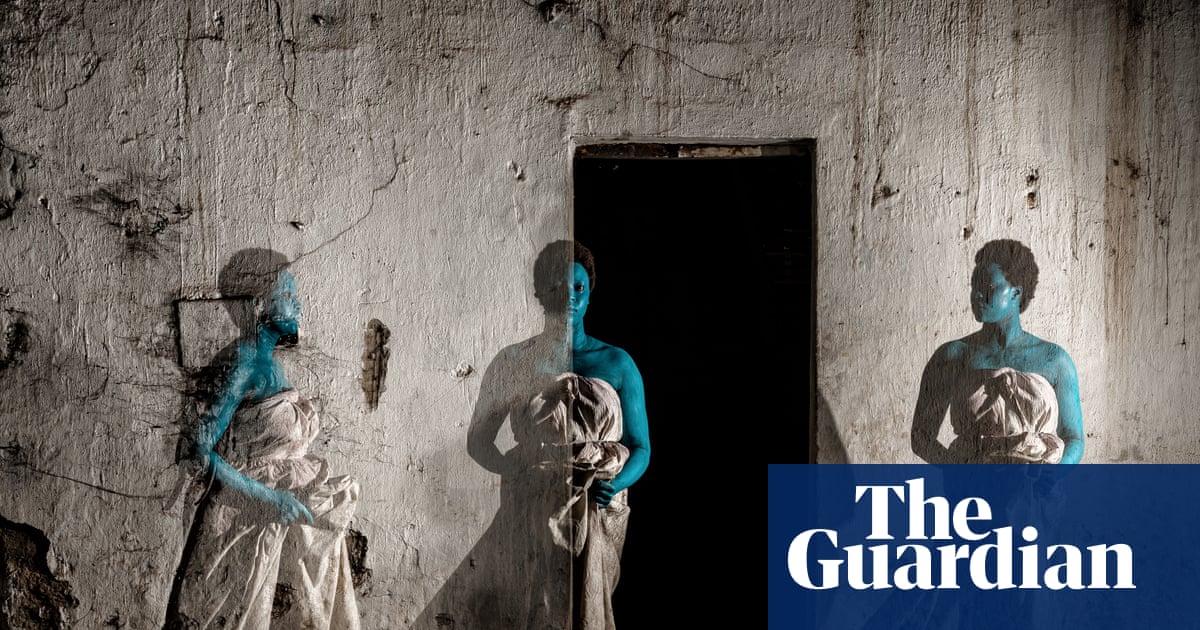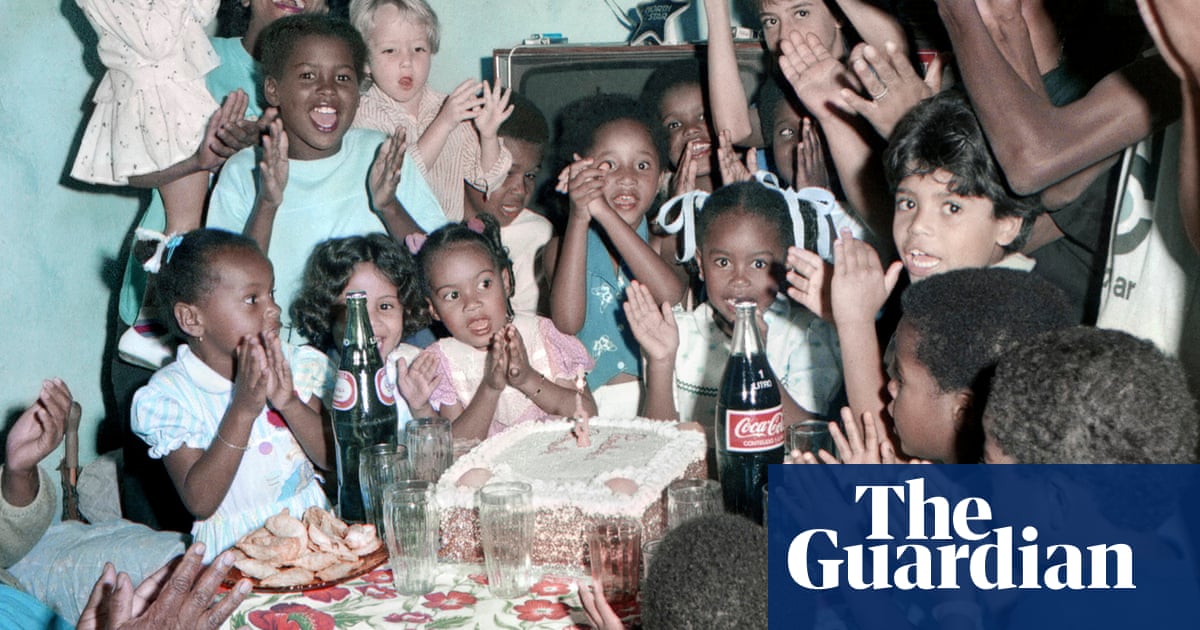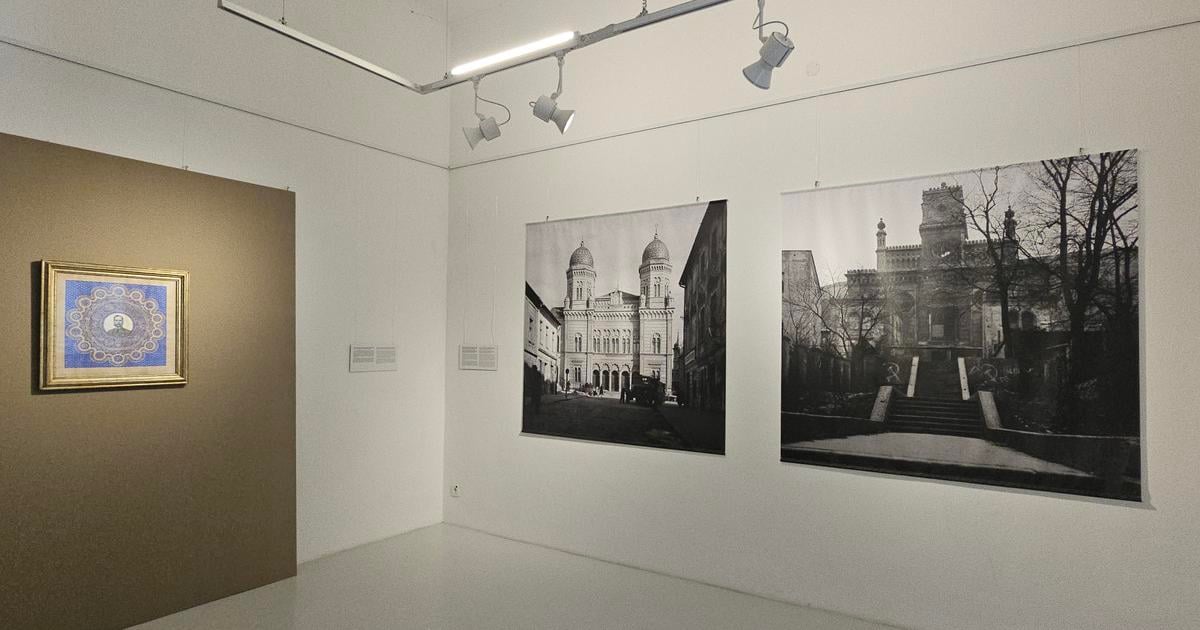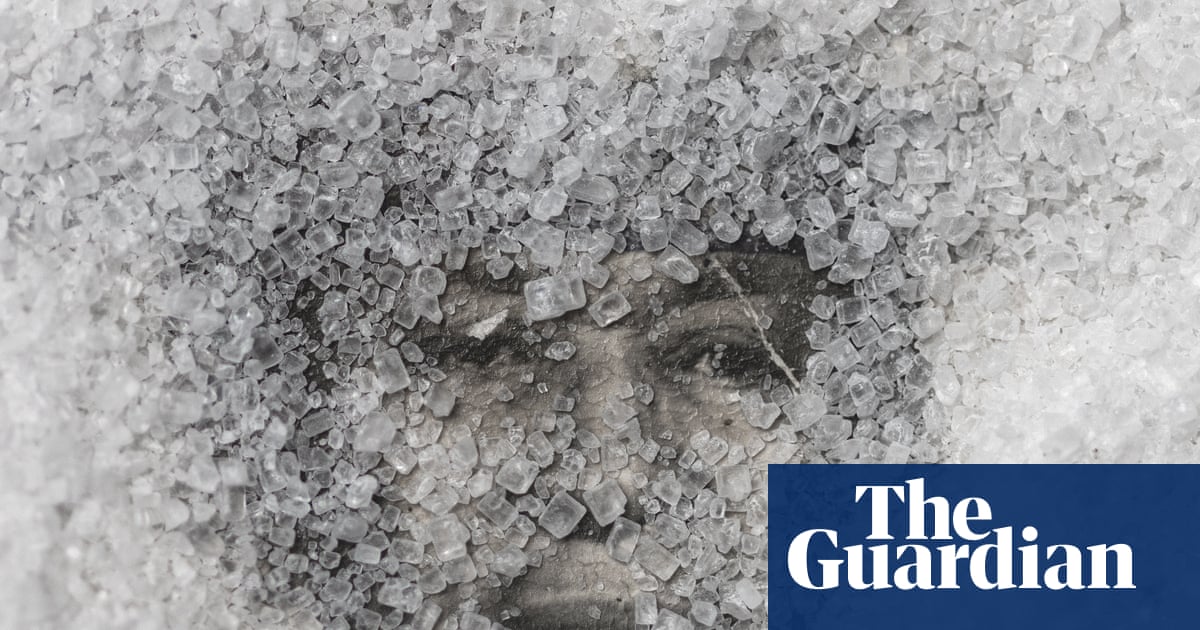
From the remnants of my great-grandparents’ Cuban home near the sugar plantation that is part of Unesco’s Slave Route programme – where they were once enslaved - to personal artefacts, each piece reconstructs an uncertain past
Gathering information on our origins that might help with constructing self-identities could be a beautiful endeavour.
Unfortunately, for millions of people worldwide, retracing a past filled with unfinished stories is like trying to nurture a tree whose roots have been severed.
Several years ago, a teenage relative was presenting the entire family tree at a reunion in Belgium. At a given moment, an elder turned to me and asked if I had ever traced my ancestry back in Cuba. I looked at her with a mix of irony and cynicism then briefly explained that trying to put together my genealogy would be like assembling a puzzle that is missing most of the main pieces.
The reason? Some of my ancestors are included in the statistics related to the slave trade, that shameful process in which millions of human beings were trafficked and deprived of any connection to their environment of origin. The first step was to change their names.