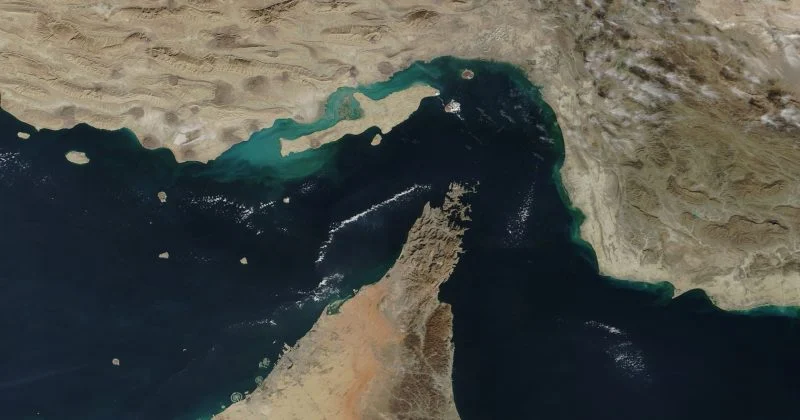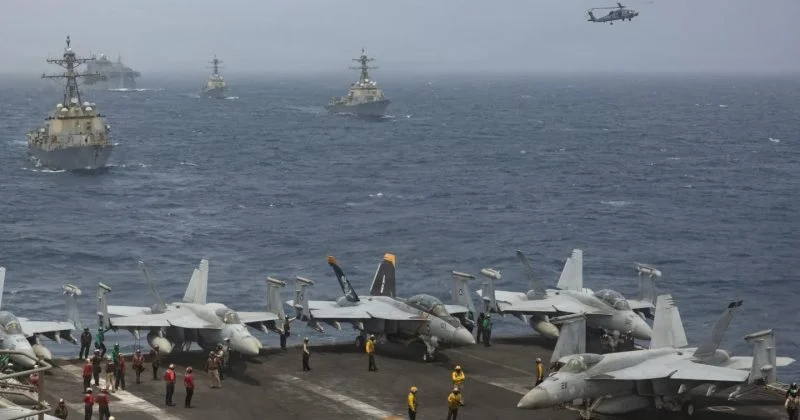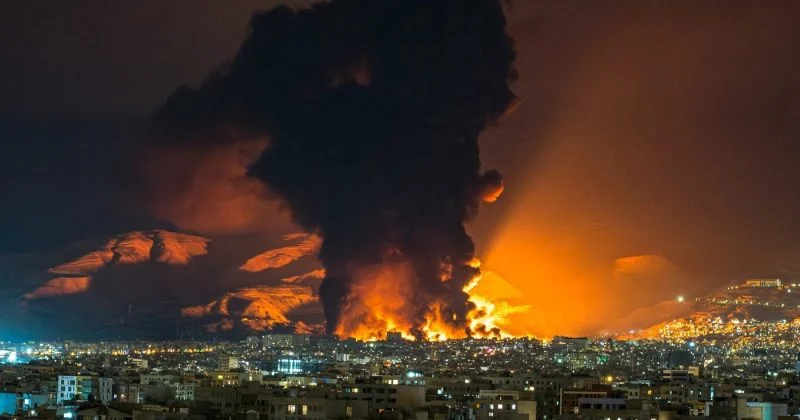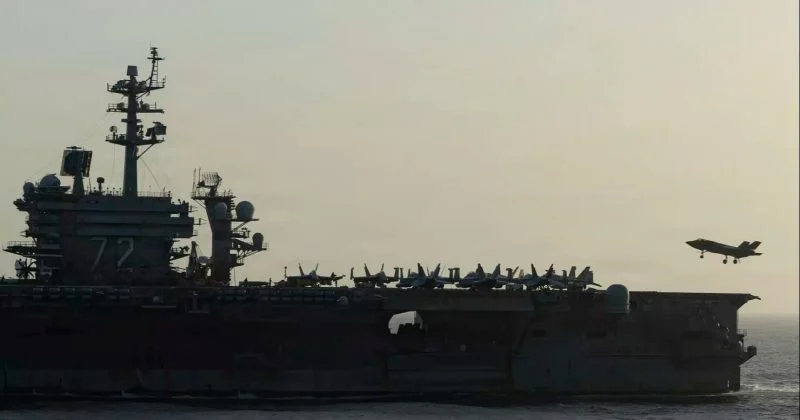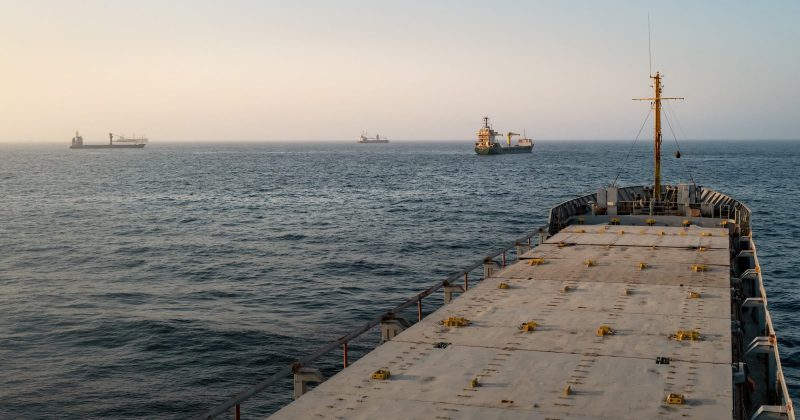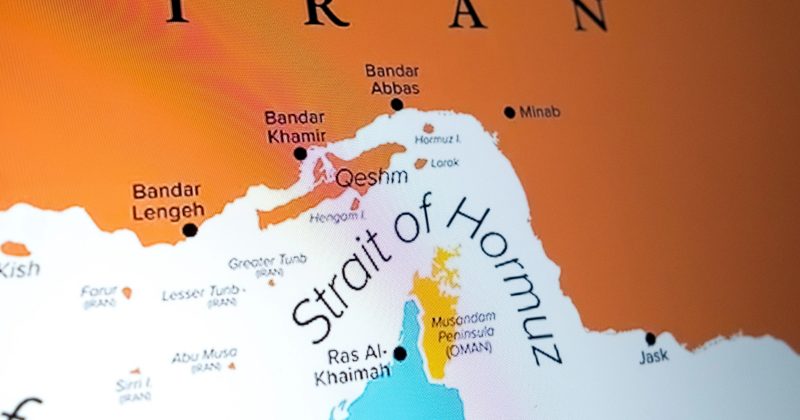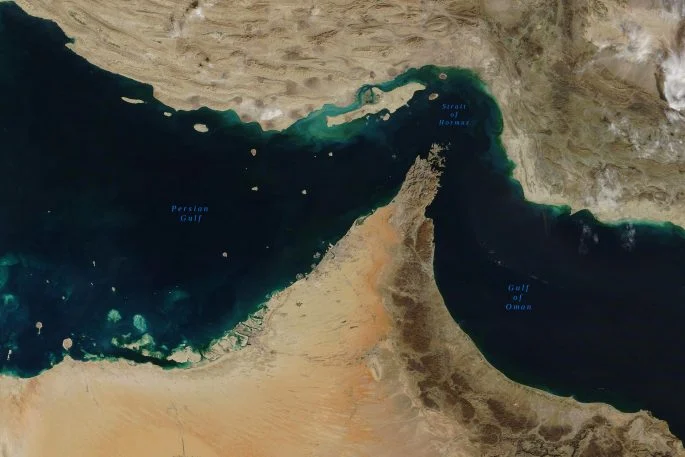
Iran has reportedly implemented a full blockade of the Bab el-Mandeb Strait and the Strait of Hormuz, according to a source close to Iran’s Ghalibaf. The country is also planning to target energy infrastructure in U.S.-allied Gulf nations in retaliation for recent Israeli strikes on an Iranian petrochemical complex. Both straits are vital maritime chokepoints for global energy and trade, and their closure represents a severe escalation in regional tensions. The threat to strike energy infrastructure represents a shift towards economic warfare, potentially disrupting oil and gas supplies from Gulf countries.
The news has had a notable impact on prediction markets concerning the Strait of Hormuz. The likelihood of traffic normalization by July 31 has decreased, with market odds now at 27.5% for a return to normalcy by that date, down from 32% just 24 hours ago. The market for traffic normalization by June 15 is even less optimistic, with a current probability standing at a mere 1.1%. These figures suggest that market participants view the situation as a significant impediment to resolving shipping disruptions in the near term.
The reported actions by Iran are consistent with previous escalations in the region involving Gulf Arab states and the Yemen-based Houthis. The ongoing conflict highlights the broader geopolitical stakes and the potential for further economic impact, affecting global energy markets and international shipping routes.