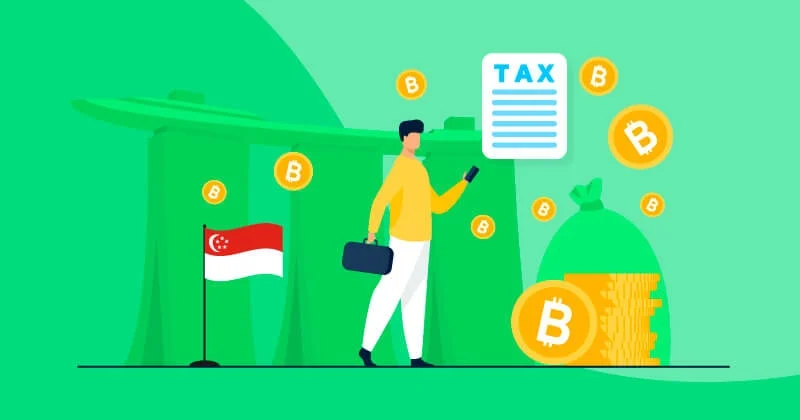
While countries across the globe scramble to figure out how to tax crypto, Singapore has had its answer for years: if you’re holding Bitcoin or Ethereum as a personal investment, you owe zero capital gains tax when you sell.
That’s not a new loophole or a recently passed bill. It’s a policy the Inland Revenue Authority of Singapore (IRAS) has maintained since at least the mid-2010s, and it remains firmly in place heading into 2026.
How Singapore’s crypto tax policy actually works
Singapore doesn’t have a general capital gains tax regime for individuals. That means profits from selling investment-held digital tokens, whether it’s Bitcoin, Ethereum, or other assets, are not subject to tax as long as they’re treated as personal investments under IRAS guidelines.
The key distinction IRAS draws is between personal investment activity and trading as a business. If you’re running what effectively amounts to a crypto trading operation, generating frequent buy-sell transactions as your primary income source, those profits could be classified as business income and taxed accordingly.