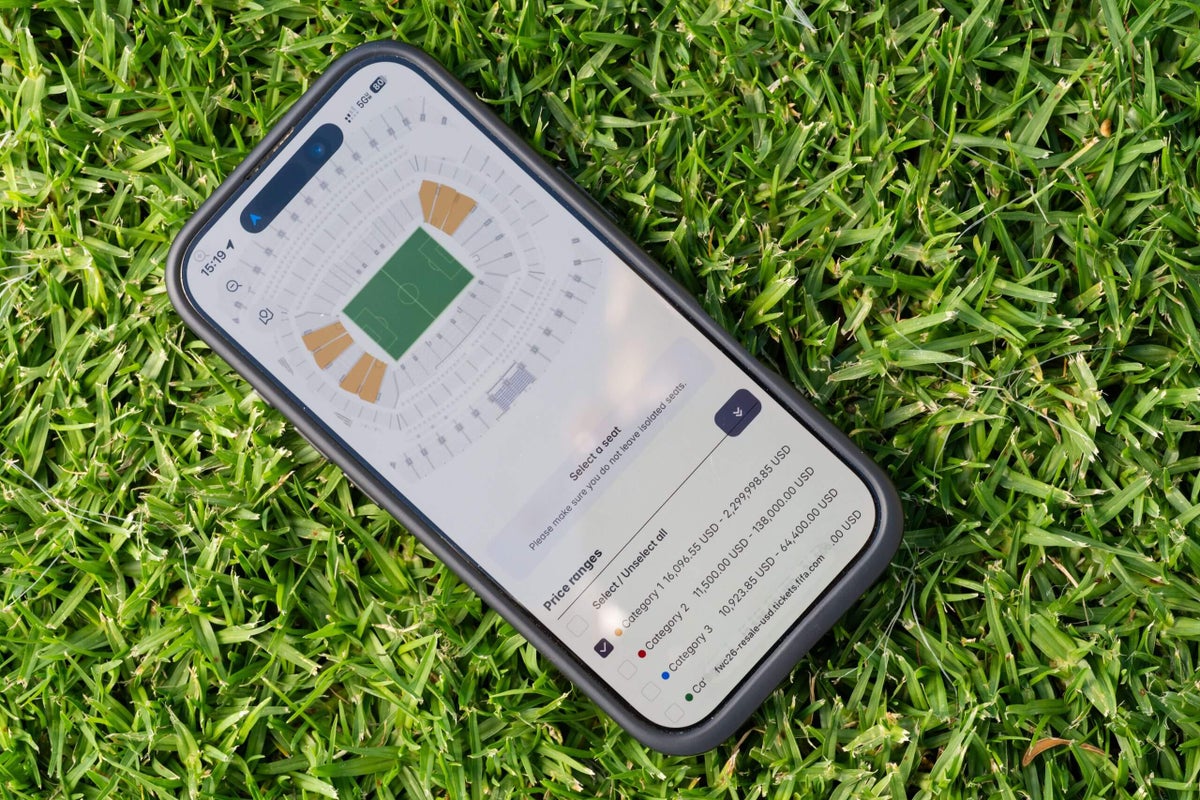
Get free access to the most comprehensive World Cup coverage in The Athletic app.The runway to the 2026 World Cup has been littered with controversies, many stemming from the same source: tickets.What began as a simple question — how do I get World Cup tickets? — became outrage over pricing, legal complaints, confusion, concerns about slow sales and much more.Now, with first kick approaching, some fans have wondered: How did we get here? How and why did FIFA, global soccer’s nonprofit governing body, turn the World Cup into a forum for subpoenas and debates about capitalistic greed?This is the nine-part answer.1. OpacityEver since this World Cup was awarded to North America back in 2018, fans have been interested in tickets. Their first point of frustration was that, up until September of 2025, FIFA did not release any information about how the ticketing process would work.For previous men’s World Cups, FIFA had announced details further in advance. Almost two full years before Russia 2018, it held a news conference and revealed ticket prices, which were fixed and outlined on a tidy chart.This time around, nearly every part of the process has been opaque. FIFA has almost always declined to say how many tickets would be available, for which matches, in which phases, at what prices. The many unknowns engendered anxiety among locals and foreigners alike, all of whom just wanted to know how they could attend a World Cup match.2. The crypto ‘scam’FIFA, many fans argue, then preyed on that anxiety by selling digital tokens called “Right To Buy”s via a crypto partner, Modex, and their digital collectibles platform, FIFA Collect.FIFA sold tens of thousands of the tokens for hundreds of dollars apiece. Each one promised buyers the ability to purchase one or two World Cup tickets at a to-be-determined later date, for a to-be-determined full price; the “RTB”s did “not include the cost of the ticket(s) itself,” FIFA Collect clarified.Once fans realized how much they’d have to pay for the actual tickets, after already spending hundreds on the RTBs, some told The Athletic they felt “ripped off,” “scammed” or “taken advantage of” by FIFA.FIFA likely made tens of millions of dollars on the scheme, according to The Athletic’s reporting and analysis.Fans got accustomed to the virtual waiting room when attempting to buy 2026 World Cup tickets (Carl De Souza / AFP / Getty Images)3. Glitches, errors, long waits and mistakesWhen the sales process did finally begin on Oct. 1, fans faced hours-long waits in digital queues. Some got error messages that cost them a shot at coveted tickets. Nearly every phase of the process has been complicated by technical glitches or a user-unfriendly ticketing portal that has made the purchasing process stressful and difficult to comprehend.Some of the waits and laborious steps were byproducts of FIFA’s efforts to block bots or restrict the gaming of its system by scalpers (though some found workarounds). The stress, to some extent, was inescapable given the volume of demand.But other mistakes were unenforced. There have been erroneous emails and misdirected links; strict rate limits that booted innocent fans back to the end of queues; and seat assignments that separated families. All of it contributed to the craze.4. The highest prices everFIFA’s initial prices, never announced but revealed by The Athletic in October, were by far the highest in World Cup history. Every ticket, for every match, in every category, was more expensive than any equivalent ticket in 2022, 2018, 2014 and so on.FIFA, over the months that followed, consistently defended its prices on two grounds:
The 2026 World Cup ticket saga, explained from start to (almost) finish
The prelude to the 2026 World Cup has been marred by ticketing controversy and angst. Here's a comprehensive guide to the saga
1,718 words~8 min read